






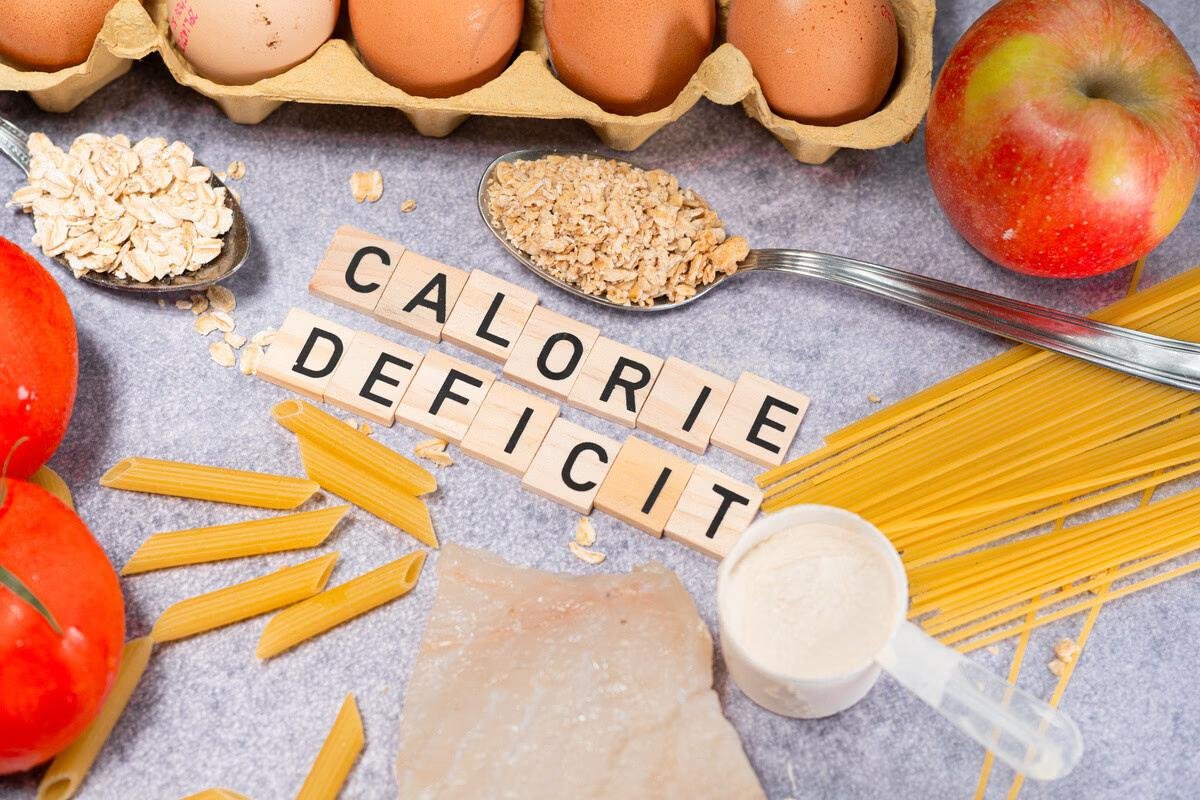
A Calorie Deficit Diet stands out as a straightforward path to shedding pounds. This method runs on a core idea – take in less energy than you burn each day. As intake drops below need, your system turns to fat reserves for power, which slowly reduces weight. Skip the fads; this way leans into steady choices, mindful eating, and routine. Picking nutritious foods while staying consistent doesn’t only help drop weight – it builds lasting health strength.
Calories and How They Affect Your Body’s Energy
How much does it burn overall in a day? That figure has a name: Total Daily Energy Expansion. Hidden inside that number sits your BMR, the fuel used while doing nothing at all, then layered on top, motion adds more, and workouts toss in extra.
Exactly matching what your body burns keeps weight steady. Eating extra means surplus goes into storage, usually becoming fat. Taking in fewer calories forces the body to tap into those saved-up supplies for power.
How does a Calorie Deficit cause weight loss?
The body burns fat when it runs short on fuel. Without sufficient intake from meals, stored reserves start shrinking – fat often goes first, occasionally muscle too. Around seven thousand seven hundred missing calories usually means one less kilo of fat weight. When the shortfall grows, pounds drop quicker – yet sticking with it gets tough.
Selecting Suitable Foods
One step back: losing weight hinges on burning more than you take in. Yet what sits on your plate pulls its own weight. A bite packed with veggies behaves differently from one loaded with sugar. Fullness, energy shifts, even long-term wellness – these bend to the kind of fuel chosen. Plain truth?
A balanced Calorie Deficit Diet typically includes:
- Lentils do the same without meat. Dairy joins the mix with a creamy edge. Fullness sticks around when protein leads. Muscle stays put more easily this way
- Grains like brown rice keep your body fueled through the day. Oats step in with a slow release of power for daily tasks. Whole wheat joins them, offering long-lasting strength without spikes
- A wide range delivers brightness to meals while keeping energy intake in check. Their natural makeup supports daily needs without extra heft. Volume stays high, calorie count remains low. Each bite contributes to balance, offering what bodies actually use
- The bits inside help bodies run more smoothly each day without fuss. Nuts crack open energy stores while tiny seeds scatter fuel across tired systems. Olive oil slips into meals easily, carrying quiet strength through arteries and joints alike
Foods packed with processing, sweet sodas, one after another – these give lots of calories without satisfaction, so the total creeps up. Heavy on energy, light on fullness, they slip past your awareness, portion after portion stacking unseen.
Role of Exercise
A faster metabolism from activity opens room to eat somewhat freely, or deepens the gap between fuel used and consumed. Effort here adds flexibility, even if results begin without it.
One kind of workout focuses on strength. Another centers around endurance. Each plays a role in daily movement. Some rely heavily on one type. Others mix both through weekly routines. How time is split matters just as much as effort
- Burning calories happens through activities like walking, maybe a jog, or even pedaling a bike. Movement keeps things going, steady steps doing their job without fuss. Feet hitting pavement, legs pushing pedals – each motion counts quietly
- Lifting weights keeps muscles strong or growing
Most times, using one alongside the other works best when aiming to stay fit and lose weight steadily.
Hunger, Fullness, and Lasting Balance
Moods dip, energy drags – focus slips without enough fuel. Many people eventually eat more than planned or stop following it completely.
Common mistakes to avoid
A big one? Not realizing how much they actually consume. Things like serving amounts, oil when frying, even that handful of chips – these pile on without notice. When people move a lot but eat without thinking, trouble follows.
Plateaus and Adjustments
At first, changes might show up fast. Then suddenly they vanish. Your body shifts how it uses energy once it gets used to eating less. Moving less mass also means burning fewer calories each day.
To overcome plateaus:
- Increase physical activity
- Ensure accurate calorie tracking
- Be patient and consistent
A pause now and then – just eating enough to keep weight steady for seven days, maybe fourteen – might quietly bring back drive along with bodily balance. After time off strict eating, some find things feel smoother again.
Psychological and lifestyle factors
A calorie deficit isn’t only math – it lives in habits, thoughts, and how you move through your day. Feelings that drive eating, pressure from daily demands, poor rest – they each tug at progress behind the scenes.
Rest matters more than most think – when sleep falls short, hunger signals rise while self-control slips away.
Long-Term Perspective
After hitting your target weight, slowly bring calories back up – keep choosing good foods along the way.
Quiet moments begin small – yet they grow easier when matched to rhythms already part of how you live. A pause fits better when it rides alongside what’s already flowing.
Conclusion
Slowing down on calories does not need rigid plans or quitting favorites; it opens space for noticing what you eat, growing steady routines instead. Thoughtful eating nudges weight gently over time, brings steadier alertness during hours of daylight, then layers in stronger wellness long after. Consistency stands out – tiny efforts grow quietly but steadily, beating quick results every time. Nourishment works hand in hand with motion, helping actions feel natural rather than forced. With passing weeks, behaviors adapt, matching what bodies truly need while leaving room for flavor and satisfaction at each meal.
FAQs
1. What number of calories needs to be reduced for safe weight loss?
A: A daily shortfall between three hundred and five hundred calories tends to be both safe and workable over time. About half a kilo to one full kilo lost weekly often happens when intake drops this way, yet the system isn’t pushed hard.
2. Will I feel hungry all the time on a calorie-deficient diet?
A: Folks often notice a little hunger early on, though rarely intense. When meals include plenty of protein alongside fiber-rich options, things tend to settle down. Water plays its part too, showing up quietly but making a difference. Balanced choices throughout the day simply make the whole rhythm smoother.
3. Counting calories daily – must you really do it?
A: At first, counting calories might make it easier to see how much food fits on a plate. As weeks pass, some find they start guessing amounts without needing numbers. A few stop watching every bite once they get the rhythm of meals.