






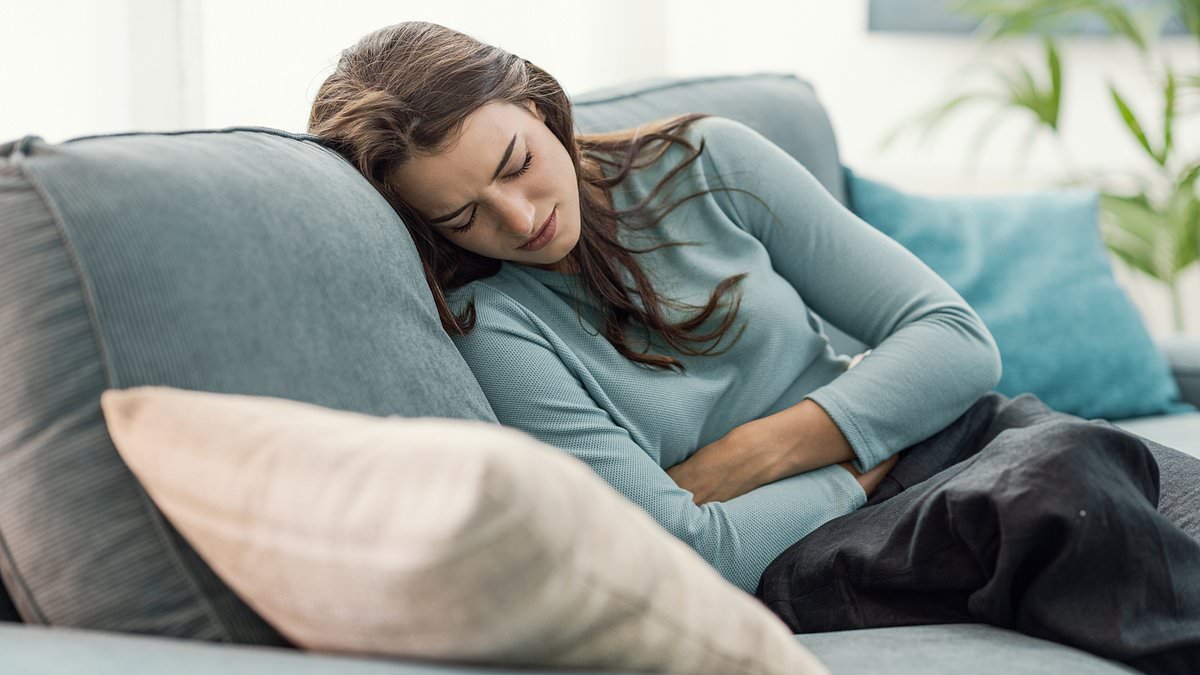
Norovirus, better known as “winter vomiting disease,” is emerging early and aggressively in regions of the United States, with many public health systems and wastewater surveillance indicating a spike far ahead of the typical winter surge. According to health authorities, a more transmissible variant, a change in population immunity, and efficient early surveillance (wastewater and enhanced surveillance) are considered to be primarily responsible for this surge. While most people usually recover within a few days, because norovirus is highly contagious and can be life-threatening in children and vulnerable populations due to serious dehydration, early intervention is critical.
What’s happening now – the short version
Some regions in the USA have observed higher-than-usual incidence of norovirus before the end of the usual outbreak season in November to April. Viral signals and outbreak numbers have increased based on surveillance systems such as clinical reports, NoroSTAT outbreak numbers, and wastewater surveillance. Additionally, a new genotype of norovirus is being observed by scientists and health authorities with less immunity in a region where the variant of norovirus reported belongs to genotype II.
A variety of factors interplay in creating regional differentials and an early onset in other regions:
Newly emerging or evolving versions of viruses. The new variants of norovirus can “evade previous immunity,” such that if a “more transmissible or ‘immune evasion’ mutant succeeds, attack rates can surge before peak season.” Variants of the GII type have, very recently, come under focus in reports.
Wastewater and early warning systems. Wastewater analysis can detect viral RNA being shed by infected patients before many patients present in clinics, allowing an uptick to be detected earlier in a highly connected city. A city with a good surveillance system can therefore “see” an uptick before other cities.
Behaviors & Connectivity. Warm-weather travel behaviors, or events, schooling, and social mixing patterns can serve to sow a seed of transmission, which in turn germinates. A factor of dense travel hubs, or increased indoor mixing, will speed this germination process.
In other words: “Contagious new variant + early detection in wastewater + conducive environment to facilitate contact = earlier and quicker wave in affected regions.”
Norovirus transmission — hence, norovirus prevention
Norovirus dapat menular
- “Direct personal contact,” such as when a person takes care of someone else with a sickness, or
- Infected surfaces and items: The virus can survive on these for days to weeks if not cleaned.
- Infected food or water, especially from food handlers or raw or undercooked shellfish.
- Aerosolization during vomiting, which can spread contamination into the environment.
A very small quantity of viruses is sufficient to cause infection, making this virus very contagious. The above transmission facts can be attributed to the major role played by washing hands and cleaning in prevention.
Seven action-oriented, high-impact safeguards (do these now)
1. Wash hands with soap under clean, fresh water – frequently and thoroughly.
Soap and water for at least 20 seconds remains the most effective way to protect oneself. Alcohol-sanitized hands do not protect effectively against a norovirus infection; sanitizer is better than nothing, but it does not replace washing hands after using a bathroom or before handling food.
2. Disinfect with bleach solutions or other EPA-certified norovirus disinfectants
Common cleaners can remove dirt but not effectively inactivate norovirus. Use a household bleach solution according to the manufacturer’s recommendations or an EPA-registered product that inactivates norovirus, especially following a vomiting and/or diarrhea attack and on frequently touched items such as doorknobs, faucets, and phones.
3. Remain at home if ill and for 48 hours after symptoms have ended.
CDC and other public health authorities have recommended staying away from places where work is done in food service, healthcare, and child care during symptoms and for at least 48 hours after recovery when a patient is most contagious and when viral shedding may continue.
4. Vomits and stools must be handled hygienically
Use disposable gloves if available, remove solid debris using absorbent paper towel roll liners, disinfect completely, place waste in sealed containers if available, and launder dirty linens using hot cycles. Do not sweep or undertake any activity that may lead to aerosols.
5. Handle food safely.
Do not handle ready-to-eat foods if you are symptomatic or for 48 hours after symptoms resolve. Prevent bare-hand contact with ready-to-eat foods, properly cook shellfish, and make sure food handlers have a sick leave policy to discourage them from working when they have an illness.
6. Target high-risk sites proactively.
Schools, daycare centers, long-term care institutions, and restaurants need to adopt enhanced cleaning, not admit symptomatic patients or clients, and inform them proactively when an outbreak is detected. Early response can control the size of an outbreak.
7. Observe local channels and adjust accordingly.
Stay up to date with local health department information, wastewater surveillance data, and notices from school or work. A surge in your local area means you need to boost cleaning practices, avoid situations where many people are present if you can, and be extra cautious when you visit a vulnerable individual.
If you or a member of your household gets ill:
- Rehydrate vigorously.
- Taking small amounts frequently of an oral rehydration fluid or electrolyte drink prevents dehydration.
- Infants and the elderly are most at risk.
- Request medical attention if any of these symptoms present. A patient exhibiting symptoms such as difficulty retaining fluids, low urination, lethargy, bloody stools, or a very high fever can be considered a medical emergency and thus warrants immediate attention from a medical professional.
- Prevent household transmission. Use a bathroom dedicated to your isolation if available, clean a shared bathroom after each use, wash soiled items using hot settings, and limit interaction with a household member at risk of serious illness.
What role are public health tools playing in helping, and why is early detection important
Wastewater surveillance, search engine query trends, and sentinel health reports now allow for earlier indication of norovirus presence than in the past. With these indicators, control measures can be initiated earlier by public health authorities and health care institutions to control the spread by closing common dining halls and improving infection control practices, and restricting infected healthcare worker participation.
Conclusion
Norovirus, better known by the nickname “winter vomiting disease,” is already on the rise in the early months of the year in regions of the United States due to evolving strains, enhanced surveillance via wastewater, and social behavior conducive to fast transmission. As very low concentrations of this pathogen are sufficient to transmit a case of infection, prevention can be accomplished by following basic personal and environmental practices such as rigorous washing with soap and water, disinfection with bleach or other approved chemicals, food safety, and staying under isolation when ill and for an additional 48 hours following recovery from an attack.
FAQs
1. How contagious is norovirus, and how quickly can it spread in my household?
A: Norovirus is highly contagious, with a very small amount of virus, 1-10 particles, being sufficient to cause an infection. Additionally, in a household setting, transmission can take place when an individual comes into direct contact with an infected person or touches a surface with the virus and then touches their face, using utensils or a towel used by an infected individual, and when an infected individual vomits, leading to the transmission of the virus through droplets.
2. Is a vaccine or treatment available for norovirus?
A: At present, there are no available vaccines or antiviral drugs targeting norovirus. The management of this case is solely through symptom alleviation, which involves fluid and electrolyte replacement, resting, and taking measures for fever/pain control if necessary. Some new vaccine candidates have been studied; however, these may see the light of day in the future.
3. How Long Is a Person Contagious?
A: The individual is most contagious from when they begin to have symptoms of illness and for at least 48 hours afterward, when they stop. Some people will have a continuation of shedding in their stool for two weeks or more; this does not always mean they are very contagious, but they need not go to work for 48 hours when they stop being symptomatic.
4. Can I get norovirus from food purchased from a restaurant or supermarket?
A: Yes. Norovirus is a major contributor to food poisoning. Food touched by an infected food handler (salads, sandwiches, fruits) and raw or undercooked shellfish from an infected water source are common food sources. Establishments can prevent food poisoning by providing sick leave for food handlers, discouraging them from handling food with their bare hands when handling ready-to-eat foods, and following proper sanitation procedures.
5. How can vomit or diarrhea in a common area be safely cleaned?
A: Wearing gloves, remove solid particles by using absorbent materials, disinfect with a newly made bleach solution or an EPA-registered disinfectant with norovirus activity, avoid behavior that leads to suspension of particles in the air (no dusting or sweeping), pack used materials in covered containers, and wash fabric in the hottest safe water.
6. A relative is working in a school or a nursing home. What additional steps do we need to take?
A: Exhort a rigorous enforcement of exclusion policies (stay home when ill and for 48 hours after symptoms resolve), reinforce hand washing practices, disinfect shared surfaces regularly, and perhaps temporarily impose bans on common dining and socializing if an outbreak is noted. Alert the facility’s lead for infection control so they can respond accordingly.
7. When ought I to inform public health authorities or my employer of a possible outbreak?
A: Seeing several cases in a school, nursing home, restaurant, or in the workplace (several people with vomiting and/or diarrhea in a short time) can be reported to your local health department. Institutions taking care of people with compromised immunity need to inform them immediately.