





Ever catch yourself scrolling gym selfies, wondering if a Pilates workout could actually trim that stubborn middle without the dreadmill grind? You know the kind of routine where you are sore for days but the scale barely moves. Turns out, slipping into Pilates for weight loss might flip the script. Slow and steady, almost like a river carving through stone.
Pilates Workout Basics
Picture this. A guy named Joseph Pilates during World War II, rigged bedsprings for injured soldiers so they could rebuild strength. That is where the Pilates workout roots come from. Control, breath, and firing that deep core like lighting an inner furnace.
No bouncing chaos. Movements stay deliberate. Muscles work with precision.
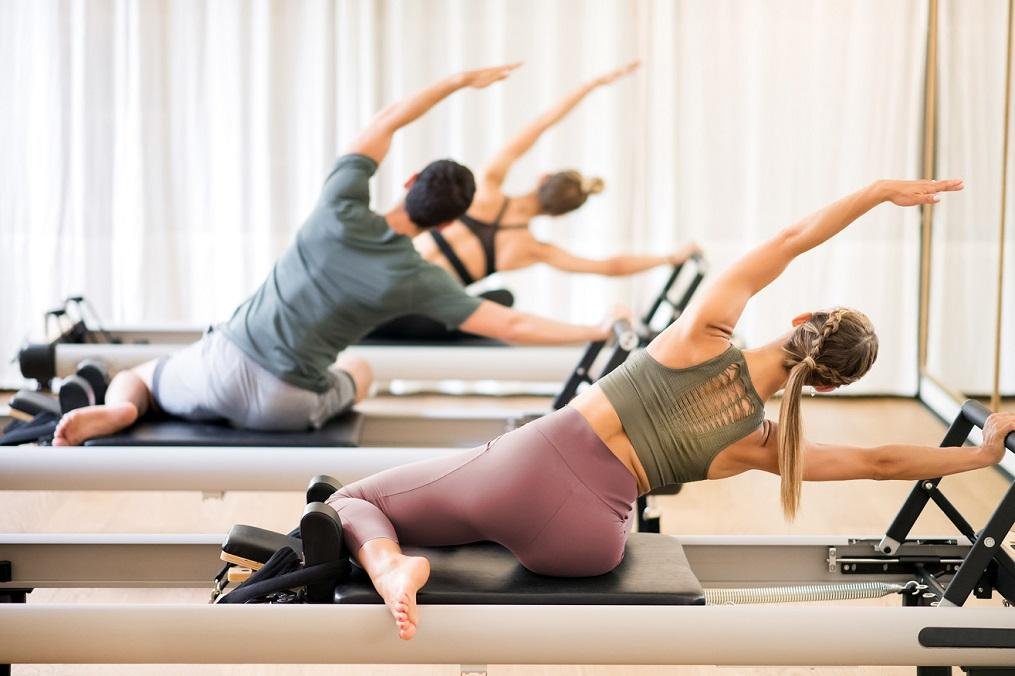
Mat sessions are usually spread out on the floor using bodyweight control. Reformer machines add springs for resistance and a sort of floating feel during movement. Beginners normally start with a thick mat and maybe a magic circle ring for resistance. Forty-five minutes can pass quickly while the body wakes up muscles you forgot existed.
Most beginners struggle with breathing at first.
Inhale and expand the ribs. Exhale and gently scoop the abdominal muscles inward. Miss that rhythm and half the effort disappears.
Honestly, the Pilates workout sometimes feels less like a traditional gym routine and more like a physical reset. Posture improves almost immediately. It is like removing a heavy backpack of slouch.
By the second session, you may notice something small but real. Shoulders relax. Neck tension fades.
Pilates for Weight Loss Truth
So does Pilates for weight loss really deliver?
It is not a magic fat burner on its own, but it can be a powerful partner in body transformation. Pilates builds lean muscle beneath the skin and gradually increases the body’s resting metabolism. The effect shows up as less jiggle and more tone.
Weight loss tends to happen slowly. Body shape changes faster.
On second thought, Pilates reshapes the body in subtle ways. The core strengthens, posture improves, and the stomach begins to appear flatter simply because the body is standing correctly.
Take Sarah, a desk worker who avoided running due to knee pain. Six months of Pilates workout classes later, she had lost around fifteen pounds. The bigger change was energy.
“Everything feels easier now,” she said. Not just exercise. Daily life.
Consistency wins here. Crash cardio routines burn people out. Pilates tends to stick because it feels sustainable. And sometimes mindfulness sneaks in quietly. When people become more aware of their bodies, they often start making better food choices without forcing it.
Calories in Pilates Workout
Let’s look at calorie burn realistically.
An average person weighing around 150 pounds might burn roughly:
- Around 200 calories per hour during beginner mat sessions
- Around 300 calories during stronger reformer classes
- Up to 450 calories during advanced flows
Compared with intense cardio, those numbers might look modest.
But the story does not stop there.
Muscle development increases metabolic activity even after the workout ends. That means the body continues burning energy while resting. Think of it as a slower flame that stays lit longer.
People often notice something interesting after a few weeks of Pilates for weight loss.
Clothes begin to fit differently.
Pants loosen slightly around the waist even before the scale changes much.
Results vary depending on body weight, effort level, and style of class. A gentle beginner session might burn around 175 calories while intense flows push well beyond 400.
The key is steady practice.
Pilates Workout vs Cardio
Comparing a Pilates workout with cardio is common.
Cardio burns energy quickly. Running or cycling raises heart rate and pushes calorie burn higher in a shorter time.
Pilates works differently.
| Feature | Pilates Workout | Cardio Exercise |
| Burn Rate | 200 to 450 calories per hour | 400 to 700 calories per hour |
| Joint Stress | Low impact | Higher impact |
| Long-Term Effect | Builds muscle tone | Burns quick calories |
| Sustainability | Calm and mindful | Can feel repetitive |
Cardio often leads to faster early weight loss. Pilates builds endurance, strength, and balance while protecting joints.
Many trainers suggest combining both.
A few Pilates sessions each week paired with moderate cardio can produce impressive results.
And there is another benefit. Pilates constantly emphasises correct form. That focus prevents the injuries that sometimes appear with aggressive workouts.
Long-term Metabolism: Pilates is superior per ACSM guidelines
Success Stories Shine
Real stories tend to explain things better than statistics.
Pamela once dismissed Pilates as a “gentle workout.” Five months later, she had lost seventeen kilos through consistent Pilates for weight loss sessions combined with basic nutrition changes.
She joked that the scale fooled her early on. “Measurements told the real story,” she said.
Another example comes from an office worker whose back pain came from years of sitting. Regular Pilates workout sessions strengthened the core, improved posture, and gradually reduced body weight.
Patterns appear often. Women frequently notice faster muscle tone changes. Men often develop lean muscle strength through consistent reformer work.
And sometimes the biggest transformation comes after pregnancy. Many new mothers use Pilates for weight loss to rebuild core stability and reduce abdominal separation.
It is not magic. It is persistence.
Healthline analysis confirms 1-2kg loss in 12 weeks with consistent practice
Beginner Pilates Workout Routine
A simple beginner routine might take around thirty-five minutes and work well three times per week.
Warm up with gentle spinal movements like cat cow stretches.
Then move into the main exercises.
- Hundred Pulses
Legs bent, arms pumping, breathing controlled. Core begins warming quickly.
- Roll Up Slow
Curl upward slowly and lower back down vertebra by vertebra.
- Single Leg Stretch
Alternating legs while keeping abdominal muscles engaged.
- Plank Knee to Elbow
Slow controlled taps that challenge the obliques.
- Teaser Hold
Balance in a V shape position, engaging deep core muscles.
- Side Plank Dips
Controlled hip movement targeting the waistline.
Repeat two rounds. Rest between sets with slow breathing.
Beginners may wobble during week one. By week four movements usually feel smoother.
Tracking waist measurements often shows progress faster than relying on the scale.
Bonus Pilates Benefits
Weight loss is only one part of the story.
Pilates offers several additional benefits that people notice over time.
- Flexibility improves as muscles lengthen naturally
- Posture strengthens and slouching fades
- Back pain often reduces with stronger core support
- Balance improves which lowers injury risk
- Stress levels drop through focused breathing
Many practitioners describe Pilates as part workout, part moving meditation.
The calm atmosphere tends to reduce stress. And less stress often means fewer emotional eating habits. Over time, the body simply begins functioning better.
CDC notes core strength reduces injury risk 40% while improving posture
Boost Pilates for Weight Loss
Consistency is the secret ingredient.
Three sessions per week create a strong foundation for Pilates for weight loss. Nutrition matters as well. Balanced meals rich in vegetables and protein support muscle repair and fat reduction.
Helpful habits include:
- Eating nutrient-dense meals
- Maintaining a mild calorie deficit around 300 calories daily
- Drinking enough water
- Sleeping seven to eight hours nightly
Reformer classes can increase intensity through spring resistance. Home apps help beginners practice regularly, but professional instructors often provide valuable technique corrections.
Progress takes patience.
Around twelve weeks is often when people notice more dramatic body changes.
Avoid Pilates Pitfalls
Even gentle workouts have common mistakes.
- Rushing movements can lead to poor form
- Shallow breathing limits core engagement
- Skipping warm-ups increases injury risk
- Ignoring nutrition slows progress
Beginners sometimes attempt too much too quickly.
A better approach is slow progression. Focus on technique first, then gradually increase difficulty.
Consistency wins the long game.
Pilates for Weight Loss FAQs
Is a Pilates workout good for weight loss?
Yes, a consistent Pilates workout can support weight loss by strengthening muscles, improving posture, and gradually increasing daily calorie burn when combined with balanced nutrition.
How often should Pilates be done for weight loss?
Most experts recommend three sessions per week lasting around forty five minutes to build strength and encourage gradual body composition changes.
Can Pilates reduce belly fat?
Pilates strengthens the abdominal muscles and improves posture, which can make the stomach appear flatter, while overall fat loss depends on diet and exercise balance.
Is mat Pilates effective for beginners?
Yes, mat Pilates provides a strong foundation and can be very effective for beginners starting Pilates for weight loss routines.
How long before Pilates results appear?
Many people notice posture and flexibility improvements within a few weeks while visible body changes often appear after two to three months.
Is reformer Pilates better for weight loss?
Reformer classes often burn slightly more calories due to spring resistance, but mat workouts can still produce strong results.
Can Pilates replace cardio workouts?
Pilates works best alongside moderate cardio such as walking or cycling rather than replacing it entirely.
Conclusion
The beauty of the Pilates workout lies in its quiet strength. It does not rely on explosive movement or punishing routines. Instead, it builds control, stability, and muscle tone gradually.
Over time the body changes. Posture improves. Core muscles strengthen. Energy increases. And weight loss begins appearing almost as a side effect of a stronger, healthier body.
For many people, that slower approach turns out to be far more sustainable than intense workout cycles. The question is not whether Pilates works. It is whether someone is willing to practice consistently enough to let those small changes accumulate.
You Might Also Like: