






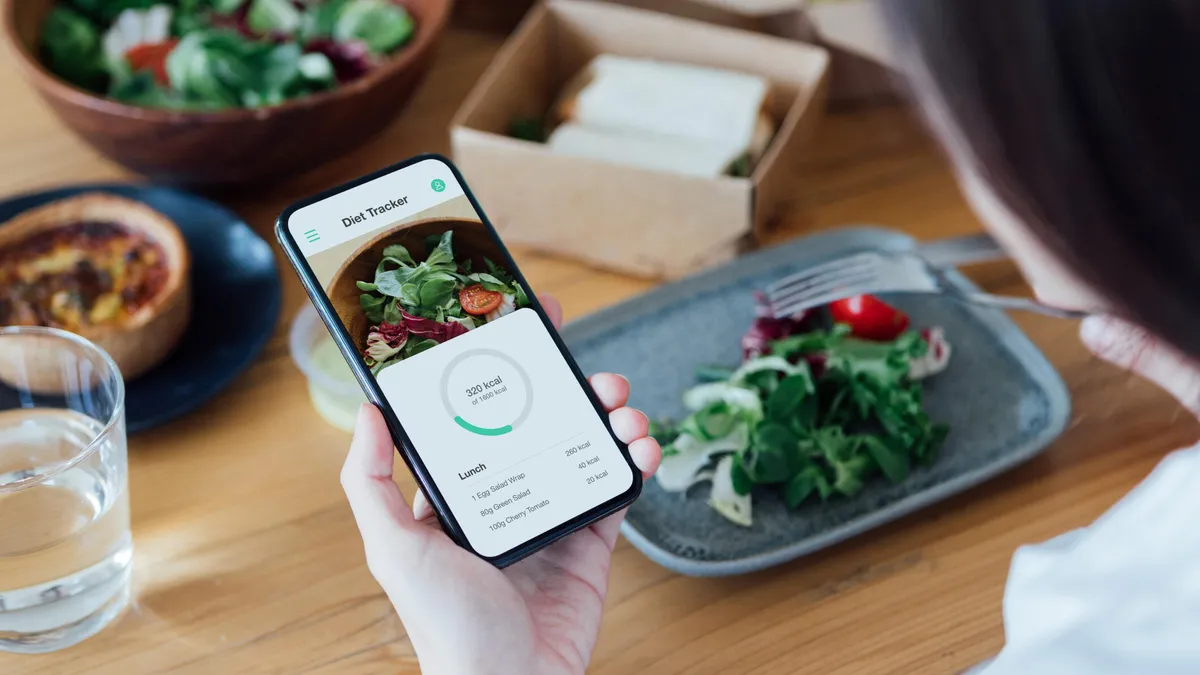
Weight isn’t just about eating less. Picture shifting habits slowly, with real support behind each choice. These plans mix food knowledge with daily routines, tied together through guidance and digital tools. Think steady shifts, backed by research, not sudden turns. Lasting results often grow from small steps repeated. What matters most? Sticking with it, without burnout. Science shows slow progress wins over speed every time.
Weight Watchers flexible habit approach
What It Is:
Now known as WW, WeightWatchers offers a familiar way to manage weight through tailored point values tied to what you eat. Food gets scored depending on nutrients, swapping calorie tracking for something different. This approach guides decisions without strict rules. Building lasting routines becomes part of the process, quietly shaping how people interact with meals day after day.
How It Works:
- One way to stay on top of goals is to use an app that records meals throughout the day. Sometimes it helps when movement gets noted too – like walks or workouts. Weight changes appear clearer over time if entered regularly. Each piece fits together, slowly showing how habits shift week by week.
- Group sessions might help. Coaching could be useful too. Forums offer space to connect now and then.
Dietitians Find Value In Its Practical Approach
What keeps dietitians leaning toward WW isn’t rigid rules but room to move – meals aren’t banned, just balanced inside a personal point range. This setup helps habits stick without that closed-in feeling some diets bring. Behind the scenes, studies show results on par with other well-known weight programs over time.
Pros
- Sticking with it becomes easier over time because repetition shapes routine.
- Finding room for any bite you like, so long as it fits the number. What matters is where it lands on the count. Choices stay wide open that way. A treat today doesn’t block tomorrow’s pick. Numbers guide each decision, never bans. Staying loose helps keep going.
- Large supportive community.
- Works whether you are young or old. Fits how people live today.
Cons
- Subscription cost.
- Requires consistent tracking.
- Might not work well if someone avoids using apps or anything digital.
Best For
Aiming for balance? This fits those seeking a steady path tied to daily life. Support shows up through shared effort, not just solo pushes. Sticking with it feels easier when others walk nearby. Real talk – routine helps, but so does knowing you are not alone.
Noom Uses Behavior And Psychology Methods
What It Is:
A fresh take on losing weight shows up in Noom. Psychology matters more than counting every calorie here. Change happens slowly when real habits are addressed. Coaching fits each person, shaped by how they think. The science of behavior guides the steps taken. CBT ideas weave into daily choices without force. The plan sticks because it adapts, not pushes.
How It Works:
- Fresh notes on meals, watching the scale shift, while movement gets logged too. Each piece fits beside the rest, building a clearer picture over time. Numbers rise or fall – steps taken, pounds lost, snacks noted – all tied together without force.
- A helping hand shows up through trained guides who walk beside you. Support grows when someone checks in, listens, and stays present. These conversations build steady steps forward, week after week. A real person keeps things moving by showing up at the right moments.
- Your unique path begins after answering a few questions.
Dietitians Favor This Approach
Weight loss that lasts usually comes from shifting habits, something diet experts say Noom gets right. What sets it apart? A focus on choices, not strict diets. Instead of counting every bite, the approach digs into why you reach for food. Most plans skip this piece.
Pros
- Strong emphasis on mindset and habits.
- Personalized and adaptive.
- Comprehensive app experience.
- A growing number of users opens doors to guidance. Connection grows stronger when support is within reach.
Cons
- Spending more each month than most plans.
- Requires daily engagement with the app.
- Folks craving strict eating schedules might find this approach a bit loose. Still, it leaves room for personal tweaks now and then.
Best For
Those dealing with eating driven by feelings, stuck in routines, yet held back by their thinking. One moment it’s comfort, next it’s routine, then a belief that blocks the way forward.
Wellos App for Recipes and Lifestyle Coaching
What It Is:
Starting fresh, Wellos jumps into weight management by focusing on real food choices alongside daily guidance. It leans hard on kitchen-friendly recipes instead of strict rules. A different path shows up through small shifts in habits, shaped by personal check-ins. Guidance threads through each week, not just at the start. Real meals take center stage – no shakes, no bars, just what you can make at home. Support comes quietly, showing up when routines feel shaky. This one skips flashy promises, sticking close to everyday life.
How It Works:
Fresh ideas for meals that match what you want. Picked just right based on where you’re headed.
Waking up to new habits? That shift often grows from steady guidance. Picture someone helping you rethink when food fits your day. Support shows up quietly, shaping choices without force.
Dietitians Favor This Approach
What keeps dietitians coming back to Wellos isn’t numbers on a scale but how good meals feel day after day. Rather than counting every bite, users learn to enjoy eating without guilt – that shift often leads to lasting change. Because real progress sticks when food fits life, not fights it.
Pros
- Focus on whole-food recipes.
- Focused attention during meals shapes daily routines slowly. A steady rhythm grows when choices align with awareness.
Fewer penalties compared to just tracking calories.
Cons
- Newer option – hasn’t been studied as much as older ones.
- A fee unlocks everything inside. Access stays limited unless paid.
Best For
Those who want balanced meal ideas + coaching without focusing strictly on numbers.
Mayo Clinic Diet Individual Approach Supported by Research
What It Is:
One way to start: this diet comes from real medical review, focusing on good food choices plus daily habit shifts made just for you. Backed by years – think many decades – of science work and doctor insights, it shapes up slowly, built differently for each person who tries it.
How It Works:
Your starting point? A quick form shapes what works for your situation.
- Fresh routines begin by swapping habits tied to extra pounds. A steady path unfolds when daily choices shift without force. Instead of old patterns, small steps build new momentum. Progress hides in moments most overlook. What feels minor today shapes tomorrow’s outcome.
- A tracker helps you see progress. Some get extra help from a nutrition expert if they want it. Others join group sessions to stay on track.
Dietitians Prefer This Approach
A natural use of health starts here, constructed around authentic research yet ready to adapt for you. Every eating plan depends on concrete evidence, shaped by individuals alternatively of one-size-fits-all rules. Routines develop by step, led by what your body tells you. Whether it’s blood sugar or circulation, the method changes subtly to align. Needs change, so the method does too – steady but never stiff.
Pros
- Personalized and adaptable.
- Backed by significant clinical experience.
- Working on habits while shaping up meals. A shift here affects choices there. Eating changes when actions do. One step leads somewhere else entirely.
Cons
- Starting might feel like too much when you first face organized routines.
- Subscription cost.
Best For
Folks looking for personalized guidance backed by science might find what fits. Options exist that adapt as needs shift, offering layers of support along the way.
Teladoc Health Combines Virtual Care With Doctor-Led Approaches
What It Is:
A single look at how care teams guide weight efforts shows tech-backed plans gaining ground – take that 2026 analysis of Teladoc Health’s approach, where medical oversight joined personalized check-ins through an online platform. Still, results depended on consistent user engagement across each piece.
How It Works:
- Doctors lend a hand with advice on losing weight, sometimes offering medicine too. Help shows up through expert tips plus prescription options when needed. Weight goals get clearer with medical insight guiding the way. Medicine might enter the picture if it fits the plan. Expert talks shape how changes happen step by step.
- One thing leads to another when support never runs out. Tracking fits right into daily habits, as it belongs there. Watching growth happen is just part of the routine now.
- Lasting several months, this setup follows a clearer path. While time passes, the organization stays strong throughout.
Dietitians Prefer This Approach
These programs earn trust from dietitians by offering steady medical guidance, which helps individuals manage long-term health issues or think about using GLP-1 drugs within a broader care plan.
Pros
- Medical oversight.
- Detailed support infrastructure.
- Medication might come into play, depending on the situation.
Cons
- Not everyone qualifies – some need coverage via a job. Others might get access through their provider.
- A bit tighter in form, not loose like most apps. Rigid edges show up where flow usually lives. Order steps forward while spontaneity backs away. Frameworks replace freeform moves. Precision leans in, comfort waits outside.
Best For
Anyone facing health-related weight issues might need expert advice. Medical supervision helps when conditions complicate daily life.
Dietitian Insights on Effective Approaches
Weight loss plans work best when they stick to common rules, experts now highlight more often
1. Focus on Changing How People Act
Becoming who you need to be starts long before the first bite – that’s where tools like Noom and WeightWatchers place their weight, on thinking patterns and daily routines. Though food matters, motivation shapes results more quietly, yet completely.
2. Sustainable Without Extremes
Faster drops on the scale usually do not stick around. Better plans support slow changes – roughly one or two pounds each week – paired with daily choices that continue long after the start.
3. Personalized Adaptive
Starting with a quiz that shapes your habits – as Noom does – or building meals around your needs – the way Mayo suggests – can make sticking to a plan feel less forced. Outcomes often improve when the path fits how you actually live.
4. Support Coaching and Accountability
Folks stick with programs that include coaching or a sense of belonging – having others around makes slipping away less likely. When people feel connected, they’re more apt to keep going, simply because someone notices if they vanish.
Dietitian Tips That Help Beyond Just Programs
What matters most isn’t just picking the right plan – it’s also about your mindset while following it. Try this advice supported by dieticians:
1. Skip excessively packaged foods
Meals that keep their natural condition are likely to help people lose more weight, even when calorie counts match extremely changed foods. However, both options deliver the same energy, and the body reacts variously to what it’s given.
2. Track Habits Before Numbers
Most folks fixate on numbers. Try watching habits instead. Cooking dinner yourself shows up more than you think. Protein at each meal matters a lot. Daily movement counts even when it feels small. Notice these things first. Especially when just starting.
3. Be Patient And Kind To Yourself
Staying lighter takes years, never minutes. Slipups happen often, yet sticking with it day after day brings real change.
What are you waiting for? Start your weight loss journey for 2026 now
Picture this: by 2026, real progress comes not from quick fixes or harsh rules. Instead, lasting change grows through full-body support that shapes daily routines slowly. These plans guide decisions at the grocery aisle, uncover hidden patterns around eating, while keeping actions visible over time. Each of the five options listed has backing from nutrition experts who rely on research, not trends. Support shows up as personalized check-ins, practical resources, and steady frameworks behind the scenes. Yet effectiveness isn’t tied to popularity – it clicks only when routine feels doable every single day.
Faqs
1. What functions optimally when attempting to shed weight and maintain it away over time?
A: Folks who know food best often point out that lasting results stick around only if the plan feels doable every day. Take WeightWatchers or Noom – these get good marks since small shifts in daily routines matter more than fast shortcuts. What holds up over time usually wins.
2. Counting calories every single day – is that really necessary?
A: It depends. Certain plans rely on point totals or habit logs rather than fixed calorie numbers. Counting calories will help you keep track of your calorie deficiet. You will always keep an eye on your intake and burnout; this will keep a record of your journey and eventually give you an overall picture of your efforts. However, the only thing that actually helps you maintain a deficiet is your discipline. Building mindfulness around food choices matters more than tight limits.
3. Will I regain weight after stopping the program?
A: Losing control often follows slipping back into past patterns. When people learn new ways to eat with awareness, they tend to stick with better choices long after the program ends. Obesity is a lifestyle issue; once you change your lifestyle, you’ll see changes. The changes can be positive or negative depending on your lifestyle. Even if you stop the program and keep healthy habits, you’ll not see a major change in your weight.