






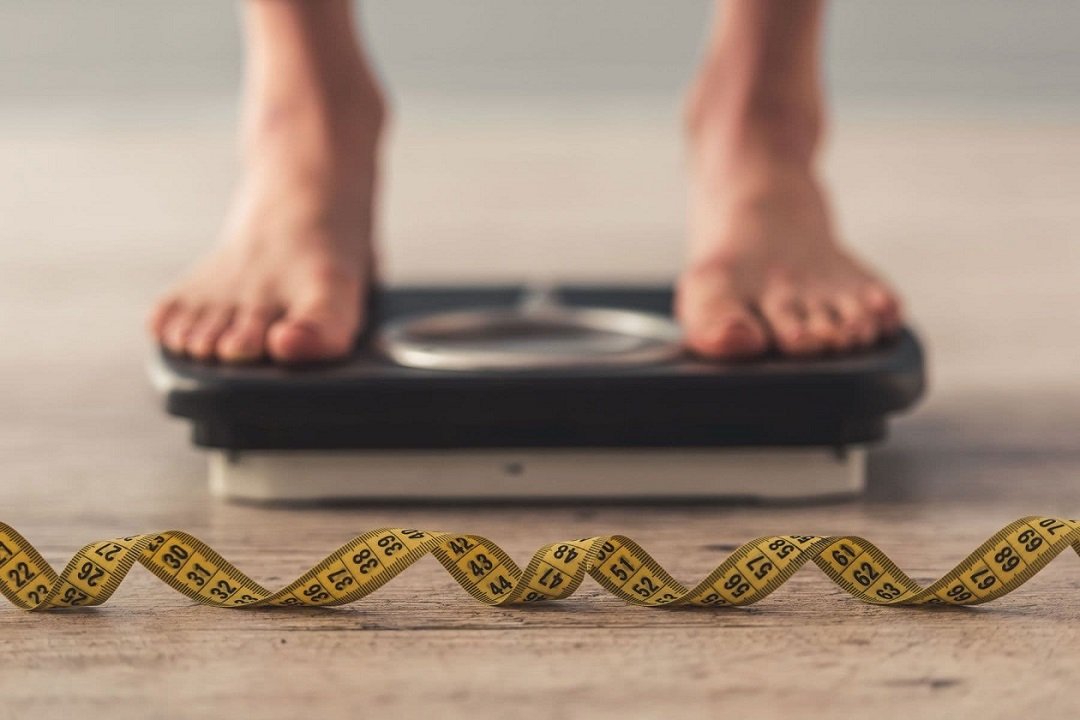
GLP-1 receptor agonists, like semaglutide and liraglutide, have really changed the way we think about losing weight. These GLP-1 receptor agonists were first made to help people with type 2 diabetes. Now GLP-1 receptor agonists are famous all over the world because they can really help people stop feeling hungry, reduce cravings for food, and lose a lot of weight. For a lot of people, GLP-1 receptor agonists seem like a discovery, after trying many diets and exercise plans that did not work out.
When people stop taking GLP-1 medications, they usually gain weight again. This can happen in one to two years. Doctors, researchers, and patients are worried about this. They call it the GLP-1 rebound effect. The GLP-1 rebound effect is a concern because it happens to a lot of people who stop taking GLP-1 medications. The GLP-1 medications help with weight loss, but stopping them can make people gain weight again, which is why the GLP-1 rebound effect is a problem.
How do GLP-1 drugs work?
This hormone is released in our gut after we eat something. The GLP-1 does an important thing to help our body work properly, including:
- Slowing emptying affects how the stomach works with food.
- Increasing feelings of fullness
- Reducing appetite and food cravings
- Regulating blood sugar by enhancing insulin release
The GLP-1 medications are like a helper. They work like hormones in our body. They last longer and are more powerful. If you take these GLP-1 medications every day, they can help you eat food. You will not feel hungry all the time. This means you will lose weight slowly over time. The GLP-1 medications really help people with weight loss.
Lots of people who try this lose a part of their body weight, like 10 to 20 percent. This is a good result. It is as good as or even better than what people get from other weight loss programs that have been around for a long time.
Why do people regain weight after they cease consuming GLP-1s?
They do not make any permanent changes to the way our body controls weight. When we stop taking the GLP-1 drugs, our body starts to go the way it was before. The GLP-1 drugs are in charge of some things in our bodies. When we stop taking those things start to reverse.
1. Appetite Hormones Return to Baseline
The GLP-1 drugs help control hunger hormones. Make you feel full. When you stop taking the GLP-1 drugs, you will probably feel hungry again. This is because your body is going back to the way it was before. It is not that you are not trying hard enough to control your appetite. The GLP-1 drugs are just helping to control the hunger hormones in your body.
2. Slower Metabolism After Weight Loss
When you lose a lot of weight, no matter how you do it, your body starts to burn energy when it is not doing anything. This means your body uses calories when you are just sitting around. So if you start eating calories, it is easy to gain the weight back. Losing weight is one thing. Keeping the weight off is another story because your body burns fewer calories at rest. Weight loss is great. You have to be careful because your body’s resting metabolic rate goes down.
3. Loss of Medication-Assisted Control
When you are taking GLP-1 therapy, it is easier to control the amount of food you eat and make food choices. When you stop taking GLP-1 therapy, you have to completely rely on things like being careful about what you eat and trying to change your habits, which can be really hard if you are not used to doing that with GLP-1 therapy.
4. Obesity Is a Chronic Condition
Doctors are starting to see that obesity is a long-term health issue that people will deal with for a time. Obesity is not something that you can just fix. Then it is gone. The medicine called GLP-1s helps with the symptoms of obesity when you are taking it.
What research says about the two-year timeline?
These studies and the reviews that people have written recently have found that:
When people stop taking GLP-1 drugs, they usually gain back a lot of the weight they lost. This happens quickly within one to two years after they stop taking the GLP-1 drugs. Most of the weight that was lost on the GLP-1 drugs comes back during this time.
Some people get back most of the weight they lost. This happens to a lot of individuals who try to lose weight. They work hard to lose weight. Then they gain back the weight they lost. The weight they lost comes back. That can be really frustrating for these people. The weight they lost is something they do not want to gain back. It happens anyway.
When people stop taking something, they usually start to feel hungrier. They have more cravings for food after a few months. They also tend to eat calories during this time. The appetite and cravings for food and the calorie intake all rise within a month of stopping.
Psychological and Emotional Impact of Weight Regain
Weight regain after GLP-1 therapy can be really tough to deal with.
- They have to start over again with GLP-1 therapy
- They feel like they have failed with GLP-1 therapy
People who experience weight gain after GLP-1 therapy feel sad and worried about their weight and health. Weight regain after GLP-1 therapy is an issue for them:
- Frustration and guilt
- Anxiety about returning to health risks
- Loss of confidence in weight-loss efforts
It is important to remember that gaining weight back is a thing that happens to our bodies. This is not because we did something. Rebound weight gain is something that our bodies do; it is not a failure. This means we can be kinder to ourselves and find ways to manage our weight.
Can weight gain be prevented?
1. Gradual Discontinuation
When you stop taking GLP-1 medication, it is an idea to do it slowly under the care of a doctor. This way, the body can get used to it easily. Stopping GLP-1 medication all of a sudden can be tough on the body. So tapering off GLP-1 medication, under supervision, is a better approach. It helps the body adjust to not having GLP-1 medication.
2. Long-Term Lifestyle Support
- Consistent sleep and stress management
It is easier to build these habits when you are still taking your medication than when you have stopped taking the medication.
3. Constant Medical observing
Some people benefit from:
- Lower maintenance doses
- Switching to alternative medications
- Periodic reintroduction is something to do if your weight regain becomes significant.
Are GLP-1s intended to be lifelong treatments?
This is a significant question in the context of obesity medicine today. Many people, those who have obesity and other health problems like diabetes, PCOS, or heart disease, may need to use treatments for a long time, maybe even their whole lives. This is similar to how people treat long-term health problems. Obesity medicine is a deal, and many people have questions about it, like how long they will need to use these treatments.
When people use something for a long time, it can cause problems with the long-term use of that thing, such as:
- Cost and insurance coverage
- Side effects
- Access and supply issues
People are conducting research to determine how the goal of this research is to ensure that effectiveness, safety, and sustainability work together effectively.
Reframing Expectations Around GLP-1 Weight Loss
GLP-1 drugs are really helpful. We should not think of them as something that will fix everything forever. The GLP-1 drugs can:
- Jump-start weight loss
- Improve metabolic health
- Reduce disease risk
So to keep getting results, you generally need to keep doing what you are doing or find something just as good to replace it. When what you want matches how your body works, people are better able to make a plan that will work for a time.
The GLP-1 rebound effect shows us something. Weight loss from medication does not always last. When people stop taking GLP-1 drugs, their body starts to feel hungry, and their metabolism goes back to normal. This means a lot of people will gain weight back within one to two years. The GLP-1 rebound effect is not because people are not trying hard enough. It happens because of the way our bodies work. The GLP-1 rebound effect is a response.
Obesity of the GLP-1 rebound effects
If we have ideas about what GLP-1 medications can do, and if we get good advice from doctors, and if we make healthy changes to our lifestyle that we can keep up, then we can reduce the chances of gaining weight back. This means we can be healthier, for a time. Obesity is a condition, and GLP-1 medications are part of managing obesity.
FAQs
-
How soon can weight regain start?
A: Many people start to gain weight back after a few months. For a lot of people, the weight they gain back can be really significant in one to two years.
-
Does starting to gain weight mean the GLP-1 drugs are ineffective?
A: It is not about the person failing. Obesity is an issue that people deal with for a long time. When medication support is not available, it gets even tougher for people with obesity.
-
Is it possible to stop weight from coming back after you have lost it?
A: The amount of medication can often be reduced through tapering, lifestyle changes and ongoing medical support, for the medication.