






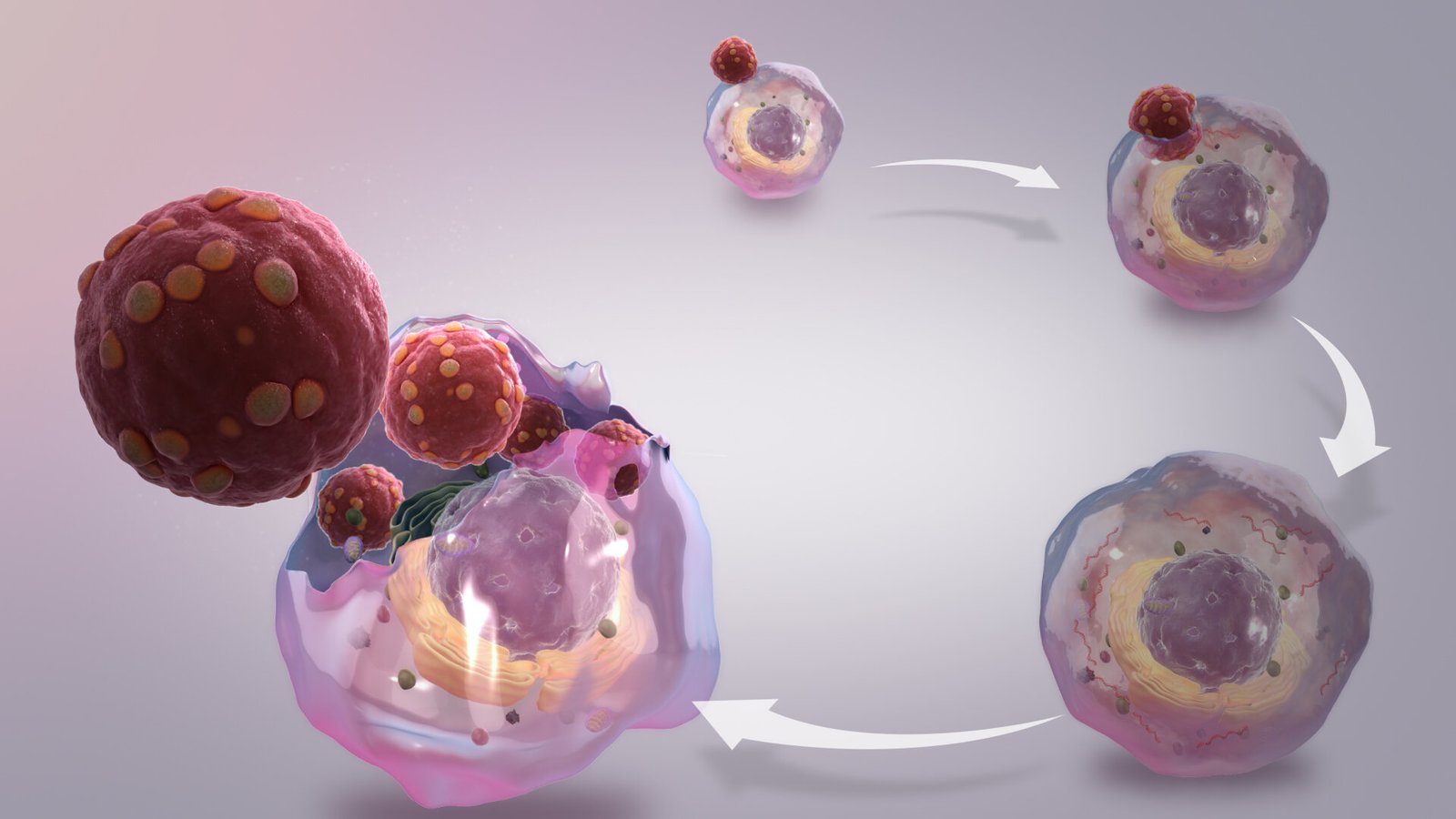
Hantavirus is one of those infections that starts quietly and can turn dangerous fast. That is what makes it unsettling. The first signs may look like a common flu. Fever. Fatigue. Muscle aches. Sometimes nausea or stomach trouble. Then, in some cases, breathing problems follow within days. This is why hantavirus symptoms need to be taken seriously, especially after rodent exposure. Mayo Clinic says hantavirus pulmonary syndrome begins with flu-like illness and can become life-threatening as lung and heart problems develop. Johns Hopkins Medicine also notes that early symptoms can look ordinary before cough, shortness of breath, and chest tightness appear later.
What Hantavirus Really Is?
Hantavirus is not one single illness with one single pattern. It is a family of viruses, and different strains behave differently. In North America, the Sin Nombre virus is the best-known cause of hantavirus pulmonary syndrome, while in South America, the Andes virus has its own pattern and can, in rare cases, spread from person to person among close contacts. That is an important detail, because hantavirus prevention depends on knowing where the exposure came from and what kind of contact happened. Mayo Clinic says rodent urine, droppings, and saliva are the usual source, and Johns Hopkins Medicine says infected rodents and their feces are the highest-risk exposure.
Actually, the disease is usually less about dramatic contact and more about quiet exposure. A dusty shed. A cabin has been closed for months. A barn corner nobody cleaned properly. Someone sweeps up old nesting material and unknowingly stirs virus particles into the air. That kind of ordinary moment is exactly why hantavirus symptoms often surprise people. The danger does not always announce itself loudly at the start.
How People Catch It
Most cases come from breathing in contaminated air after rodent droppings, urine, or saliva are disturbed. It can also happen through contaminated food, touching infected surfaces, or being bitten or scratched by an infected rodent. Mayo Clinic also notes that person-to-person spread has only been recorded with the Andes virus in South America. So the main story is still rodent exposure, not casual human spread. That is why hantavirus prevention begins with rodent control, safe cleaning, and good protection around nests and droppings.
The Symptoms That Start Quietly
This is where the illness can be deceptive. Early symptoms often resemble a common infection. Fever. Chills. Muscle aches. Headache. Nausea. Vomiting. Abdominal pain. Diarrhea. Cleveland Clinic and Mayo Clinic both describe this early stage as flu-like, and Johns Hopkins lists the same broad set of early symptoms before breathing problems begin. If a person has these signs after rodent exposure, that is not a wait-and-see moment. It is a prompt-to-care moment.
When Breathing Becomes The Warning
The shift usually comes later. Cough. Shortness of breath. Chest tightness. Rapid worsening. Mayo Clinic says hantavirus pulmonary syndrome can progress to fluid buildup in the lungs and serious problems with lung and heart function. Johns Hopkins says later symptoms can appear four to ten days after the first illness. That timing matters because it explains why people may feel they are “just getting over a virus” right before things turn more dangerous. This is the point where hantavirus symptoms stop being annoying and start being urgent.
Is There A Cure?
Here is the honest answer. There is no specific hantavirus cure. Johns Hopkins Medicine states this directly. Mayo Clinic says treatment options are limited, and that early recognition, quick hospital care, and breathing support improve the outlook. That is the key truth people need to understand. The medical goal is not to destroy the virus with a magic drug, because there is no standard antiviral cure for hantavirus pulmonary syndrome. The goal is to support the body hard enough that it can survive the critical phase.
What Doctors Can Actually Do
So what does hantavirus treatment look like in real life? Early supportive care. Rest. Hydration. Symptom management. If breathing becomes difficult, the patient may need hospital care, oxygen, IV fluids, and close monitoring of the heart, lungs, and kidneys. Cleveland Clinic says ICU care may be needed, and Mayo Clinic says severe cases need immediate intensive care unit treatment. That is the practical reality. The treatment is supportive because supportive care is what keeps people alive while the body fights back.
ICU Support Can Matter
In severe cases, ventilator support may be needed. Mayo Clinic says intubation and mechanical ventilation may be used to help with breathing and manage fluid in the lungs. It also says extracorporeal membrane oxygenation, or ECMO, may be needed to help supply oxygen when the lungs are failing badly. Johns Hopkins Medicine adds that early ECMO may significantly improve survival in severe cases. That is not casual treatment. It is high-level critical care. But for the right patient, it can be the difference between recovery and collapse. Hantavirus treatment at this stage is intensive because the illness can be severe.
Who Needs Emergency Help
Anyone with flu-like symptoms after rodent exposure should get medical help quickly, especially if breathing becomes difficult. Mayo Clinic says if you know you have been exposed to rodents and are having trouble breathing, seek emergency medical attention. Johns Hopkins Medicine similarly advises contacting a doctor immediately if exposure is suspected. This is one of those situations where hesitation is expensive. Hantavirus symptoms can worsen suddenly, and once breathing changes start, the window for easier care may narrow fast.
How To Prevent Exposure
This is where hantavirus prevention really earns its place. Avoid rodent nests, droppings, urine, and saliva. Clean infrequently used buildings carefully. Do not sweep dry droppings in a way that sends dust into the air. Seal entry points. Use safer cleanup methods. Mayo Clinic says avoiding contact with rodents and safely cleaning rodent habitats is the best protection, and Johns Hopkins Medicine says people handling infected rodents and their feces are at the highest risk. Prevention is not dramatic. It is mostly disciplined, boring behavior. Which is exactly what makes it effective.
Questions People Ask Most
Is There A Hantavirus Cure?
No. There is no specific hantavirus cure. Treatment is supportive, with hospital care, oxygen, fluids, and sometimes ICU-level breathing support.
What Is The First Sign?
The first hantavirus symptoms are usually flu-like. Fever, aches, headache, nausea, and stomach trouble are common early signs.
How Fast Does It Get Serious?
It can become serious quickly after the first phase. Johns Hopkins Medicine notes that later symptoms may appear four to ten days after the initial illness. Mayo Clinic says the disease can worsen suddenly and become life-threatening.
What Is The Main Treatment?
The core hantavirus treatment is supportive care. That includes rest, hydration, oxygen, IV fluids, ICU care if needed, mechanical ventilation in severe cases, and ECMO for advanced respiratory failure.
How Do I Avoid Getting It?
Use hantavirus prevention habits. Avoid rodent habitats, clean carefully, reduce exposure to droppings and urine, and do not disturb contaminated spaces without protection and proper methods.
Final Thought
Hantavirus is rare, but when it shows up, it takes seriousness very quickly. The truth is not comforting in a flashy way, but it is useful. There is no proven hantavirus cure. There is, however, a real hantavirus treatment that can save lives when it starts early enough. The early hantavirus symptoms are easy to mistake for a regular viral illness, which is exactly why rodent exposure history matters so much. And hantavirus prevention is still the cleanest answer of all. Sometimes the safest medical strategy is not heroic. It is early recognition, fast care, and refusing to wait too long.