





A silent danger lurks in millions of bodies – high blood pressure ties directly to heart attacks and strokes across the globe. Moving the body often shows strong results in keeping those numbers down, so doctors keep saying it matters. Lately, scientists have begun asking: What if effort counted more than time? Could tiny moments of motion, like five minutes each day, actually shift the needle on pressure levels? This thought sparked curiosity – not just in labs but also at gyms, kitchens, and bus stops. When quick actions add up, they might quietly reshape long-term wellness without grand plans or strict routines.
Understanding Blood Pressure
Pushing along inside your arteries, blood creates pressure simply by moving. Two numbers show this push – one when the heart tightens, another when it relaxes.
Blood pushing too hard against artery walls? That’s high blood pressure – a silent trigger for heart attacks, brain damage, failing kidneys, and broken vessels. Eating wrong, moving too little, tension piling up, puffing cigarettes, carrying extra weight – these habits pour fuel on the fire.
Moving your body every day stands among the top choices – outside of medication – for lowering high blood pressure while giving your heart a solid boost.
Five minutes of exercise science facts
That effort came through the work of the ProPASS group. Moving just a little each day shows signs of nudging blood pressure down. Not much. But enough to notice. Results pointed toward consistent motion – no matter how light – as having an effect. It wasn’t about intensity. What mattered was showing up for your body, again and again. Even short walks added up. The pattern stood out clearly when researchers compared inactive stretches with moments of motion. Bodies responded without needing extremes. Small shifts became part of something larger simply by repeating. Pressure in the arteries dipped where activity stayed steady. This held regardless of age or background.
Motion sensors captured steps taken during walks or jogs. These tools noticed when someone was running instead of just strolling. Even small actions like standing up were recorded by the device. Hand motions while doing chores found their way into the data, too
- sleeping
- sitting or sedentary behavior
- standing
- slow walking
- fast walking
- vigorous exercise
What might shift when still moments trade for quick movement bursts? Scientists watched daily patterns closely. A few minutes of stepping, stretching, or pacing took the place of sitting. Tiny motion breaks entered routines like quiet guests. The body responded in subtle but measurable ways. Not grand changes – just small shifts adding up. Each substitution carried a whisper of effect. Light activity sprinkled through hours made the differences show.
Key Findings
A fresh look at the data showed this: it turned out that
- A little movement packs a quiet punch. Starting fast bursts might just nudge numbers down. Five daily minutes – sharp effort – can shift things slightly. Pressure slips back roughly two-thirds of one unit on average.
Just two millimeters of mercury less in blood pressure helps ease strain on hearts across whole communities.
Still, researchers saw bigger drops when people moved more – like adding 10 to 20 extra minutes daily.
Why Five Minutes Might Make a Difference
A few minutes here, a quick pace there – each shift adds up silently behind the ribs.
1. Increased Heart Efficiency
Blood shifts more quickly when you work out, creating the heart to press more intense each beat. Gradually, that muscle picks up on managing the job without struggling so much. Blood vessel stress eases when this happens.
2. Healthier Blood Vessels
Blood moves better when vessels open up, thanks to movement. Easier flow happens if arteries stretch well, which cuts high-pressure numbers. Pressure drops once motion encourages veins to loosen their grip. Moving around nudges blood channels into a looser state. Flexible arteries mean smoother travel for red cells inside. With regular effort, inner tubes learn to stay wide instead of tight. Pushing through daily steps trains the body’s pipes to give way.
Blood vessel linings work better when you move your body regularly. The inside layer gets healthier with activity.
3. Reduced Sedentary Behavior
Sitting too long is connected to raised blood pressure, along with heart-related health risks. Instead of staying still, swapping just brief moments into movement helps blood flow and body energy use.
A single five-minute session might make a difference just by interrupting hours of sitting. It’s not about intensity – more like pressing pause on stillness now and then. Even brief movement sprinkled through the day shifts something quietly. Time adds up when you step away, even briefly. Small moments matter more than expected.
4. Hormonal and Nervous System Effects
Pressure in the arteries adjusts as signals fire between cells. Movement sparks change deep below the surface. Chemical messengers travel fast when muscles get going. Blood flow responds without warning. The body recalibrates each beat behind the scenes
- Gas that eases pressure inside the veins by opening them up slowly
- Chemicals in your brain that calm things down when life gets hectic
- improved insulin sensitivity
- Blood pressure stays more stable because of these shifts in body function.
Types Of Five Minute Exercises That Work
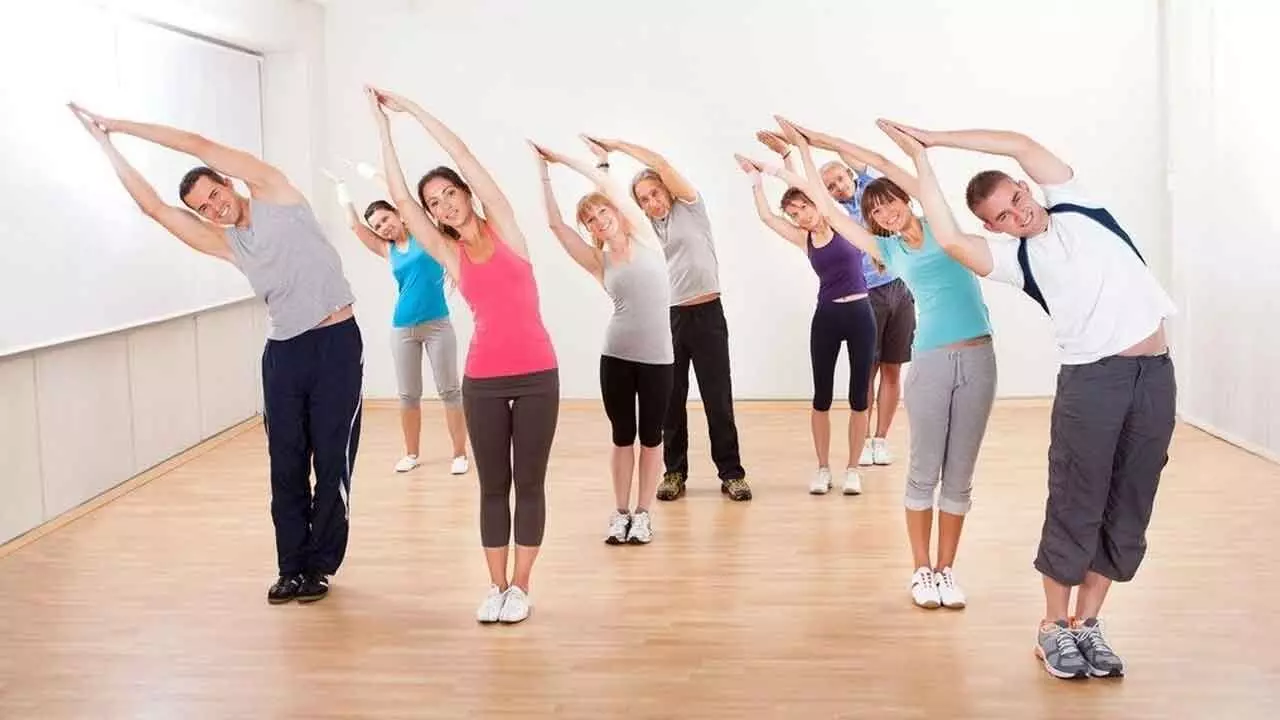
A burst of movement, even brief, works well when it gets your heart pumping hard. Try sprinting up stairs instead of walking them slowly. Jump rope fast between tasks at home or work. Dance wildly during a song you love. Ride a bike quickly around the block before dinner. Lift heavy cans while standing in place. Move nonstop for just ten minutes, then stop. Push yourself enough that speaking becomes tough. These moments add up without needing much time
1. Stair Climbing
Up top fast, your pulse jumps – each step pushes blood harder through veins. Hustling for a couple of minutes, the body learns to handle breathless moments better.
2. Brisk Walking
This kind of steady motion wakes up the system responsible for pumping oxygen-rich fluid to muscles. Because the legs push with rhythm, the chest area responds by increasing its effort. As time passes during such movement, breathing deepens without needing thought. With every step beyond the hundred mark per minute, demand rises slightly inside. So even a short stroll done this way brings quiet intensity to daily life.
3. Cycling
A quick spin, whether outside or on a home bike, gets your pulse moving. What matters is motion, not minutes. Some rhythm builds strength over time. Movement feeds the body’s engine slowly. A few turns of the wheel wake up circulation. Little bursts count more than expected. Pulse rises without long effort. Air and pedals combine in quiet ways.
4. Jumping and bodyweight exercises
Exercises such as:
- jumping jacks
- squats
- push-ups
- lunges
A short burst of effort might surprise you with how hard it hits. Minutes pass quickly yet leave muscles burning. Hard work fits into tight windows when time runs thin. A small slice of the day holds more power than expected.
Extra Health Advantages of Concise Exercise Periods
Additionally, reducing blood pressure, concise exercise periods give various other health advantages:
- Enhanced Circulation
- Better Heart Health
- Weight Management
- Stress decrease
- Lowered hazard of Chronic Diseases
Conclusion
Now and then, moving your body could ease pressure inside vessels. Not much, mind you – yet doing it again and again makes a difference over weeks. Blood slips through easier once things get going. Strength builds slowly, sure, despite how simple it seems early on. Sitting too much harms the body, yet small bursts of motion soften that impact. Longer workouts bring deeper rewards down the road, so sticking with them pays off later. Starting small still counts – doing something every day builds lasting support for a healthier pulse and steady rhythm.
Faqs
1. Five minutes of movement – could it actually ease high blood pressure?
A: Fewer than ten minutes moving around does make a difference. Research finds that swapping sitting with brief movement breaks eases both top and bottom blood pressure numbers just a bit. Though changes stay minor, they add up when it comes to your heart’s well-being.
2. Why does exercise help reduce blood pressure?
A: Moving your body gets blood flowing better while building a tougher heart. When the heart grows stronger, it moves blood with less effort, easing strain on artery walls. Blood vessels become more flexible through movement, working more smoothly over time. Hormones tied to blood pressure find balance when exercise becomes part of a routine.
3. Could five minutes of exercise each day help manage high blood pressure?
A: Most folks won’t lower high blood pressure much with just five minutes of movement each day. Still, doing something beats nothing when building new habits. Experts tend to back routines adding up to two and a half hours weekly for real change. Starting small might spark longer efforts later by showing early wins.
4. What speed might movement shift force inside arteries?
A: Even a single workout can shift how your body handles blood pressure right away. When you move, your arteries loosen up, letting pressure dip for hours after. Still, real change takes time – weeks of steady effort begin to reshape how your heart and vessels respond. Without regular movement, those small wins fade quickly.
5. Does exercise intensity matter?
A: Faster movements get your heart going more than just standing around or strolling. It matters how hard you push – strong effort shows clearer results. In short bursts of five minutes, pushing a bit harder helps the heart work better. Heavy breathing during motion does more than gentle steps.
6. Maybe a few minutes of movement now, then later makes a difference.
A: True. Breaking movement into chunks throughout the day works well. Instead of a single stretch of exercise, try splitting it up. Three quick bursts, each five minutes long, get blood moving. These mini-sessions cut down on sitting time, too. Health perks add up without needing extra hours. Little shifts like these support heart function just fine.
7. Who can benefit from short exercise routines?
A: A few minutes of movement might help most people, such as:
- people with busy schedules
- individuals starting a fitness routine
- sedentary office workers
- Some older people struggle with lengthy exercise routines
8. Are there any risks associated with short, intense exercise?
A: Most folks in good health can handle brief workouts without issue. Yet those living with heart problems, very high blood pressure, or similar concerns might want to check in with a doctor first – especially when it comes to strenuous activity.