





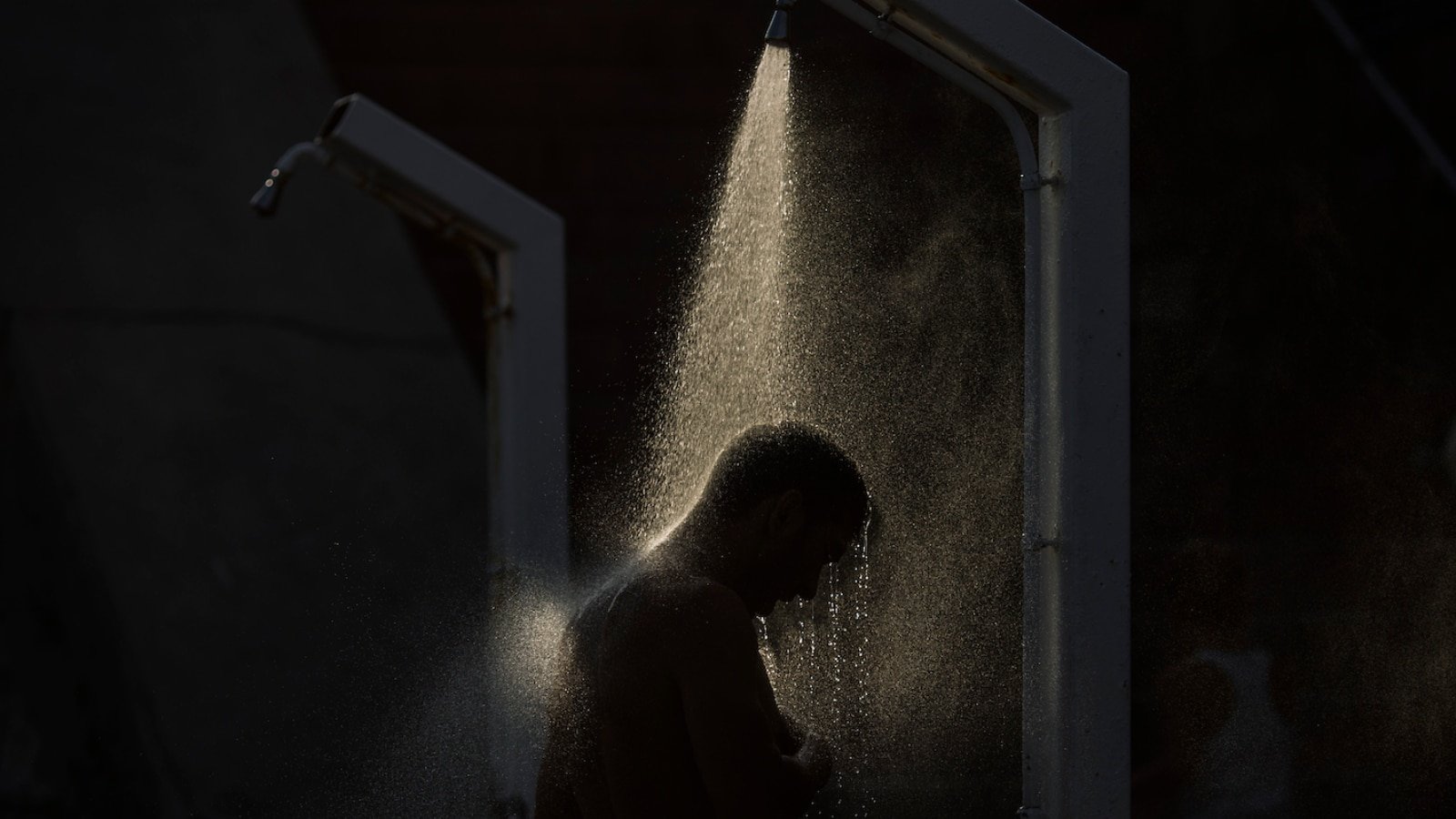
Showering without much light has become a quiet habit for some. A dim space sets the mood, maybe just a flicker from a candle. Bright ceiling fixtures stay off during these moments. Nightlights sometimes glow near the floor. Low-power bulbs give just enough to see. This often happens late, close to sleep time. The whole thing feels slow, unhurried. Bathrooms turn into shadowed rooms on purpose. Some choose total blackness instead. It fits into routines meant to calm the mind. Light stays minimal by design. Evening water rituals grow softer this way.
A quiet space often matters more than cleanliness here – it’s really about how things feel, the way sounds fade, lights dim slowly. Most who try it aim for fewer sharp edges, softer signals around them, so their mind shifts away from daily pressure toward something quieter by nightfall.
Origins of the Practice
Low-light baths have existed before. History shows examples now and then:
- Culture includes moments like these, too. Some old traditions did similar things. People once bathed without bright lights around
- Bath time after sunset, in certain old-style Indian homes, happened by lamplight. dim glow, marking the shift from daily work to quiet night. Light came soft, often flickering, helping ease minds into stillness.
- Calm comes more easily when the lights stay dim inside Japanese bath spaces. Other parts of East Asia follow similar paths where quiet glows shape the mood. Bathhouses lean on shadowed corners instead of bright overheads. Softness in lighting matches the slow rhythm people seek there. Darkness along edges guides thoughts inward rather than outward.
- Faint light filled certain corners of old Roman bathhouses, spaces meant for rest once washing ended.
These days, wellness circles on social platforms brought it back, searching for simple, earth-rooted methods to ease into rest and quiet the mind.
Why do people try dark showering?
There are several reasons people are drawn to this practice:
1. Lower sensory input before bedtime
Lights that shine hard – particularly the blue kind from lamps or phones – tell your mind to keep running. Shutting those lights down, or lowering their glow while you shower, takes away busy visuals, letting your nerves settle into quieter rhythms.
2. Help Keep Your Body’s Daily Cycle Running Naturally
Darkness tells the body it is time to make melatonin, a chemical guiding when we sleep and wake. Light levels shape human bodies in quiet ways most never notice. Bathing under dim light at night can strengthen the message that rest should follow.
3. Relax More Be Present
Without bright lights:
- Warmth spreads through the water, pulling attention. Droplets tap out a rhythm nearby.
- Concentrating on senses might bring a calm instance, much like what happens during awareness practice.
That quiet moment when thoughts drift away often brings stillness. Focus shifts inward, landing on heartbeat, airflow through nostrils. The body slows without effort. Muscles unclench almost unnoticed. Breathing deepens by itself. Calm settles like dust after the wind stops. Nerves switch tracks quietly – no push needed.
4. Create a Bedtime Ritual
Sleep finds its rhythm when nights follow familiar steps. A warm shower under soft lighting sets the stage, then tooth brushing follows without rush. Quiet moments after sealing the deal. The mind learns these signals, one by one. Over time, the body leans into rest before bed even arrives.
5. Less Stress and Worry
When lights stay soft and movement slows, a person might find their mind unwinding more easily at night. Those who often feel anxious or think too much could feel drawn to this quiet rhythm.
Dark Showering and Sleep: A Possible Link
1. Light Affects How the Brain Controls Sleep
Darkness nudges the body toward rest, a quiet signal long noticed by those who study sleep. Bright lights – especially fake ones made by screens and bulbs – hold back the night chemical that makes eyes grow heavy. When evening dims, melatonin climbs, slowly tugging mind and muscle into downtime. This climb matters, not as a fact tossed around lightly but as something felt – the slow drift into readiness for dreams.
Even without specific research on dark showers alone, the idea ties back to how our bodies follow natural light cycles:
- Fading light cues the body to make more melatonin.
- A shift in body heat begins when warm water moves through, easing you into drowsiness. That slow climb and fall of warmth acts like a signal, nudging your system toward rest. Temperature dips after the initial rise help mark the turn into sleep.
2. Body Temperature Impacts Sleep
Body temperature shifts explain why it works:
- Blood moves faster through the skin when warmth spreads into it.
- Fresh air hits, then the body starts losing heat fast.
- A slight dip in body heat signals the mind that rest should begin.
A review combining 17 separate studies found better sleep when people warmed up a little before bedtime – sleep came faster too.
Though darkness alone doesn’t lead the way, pairing it with warmth cuts down on light and could boost results. The dim setting plays a supporting role when heat joins in, possibly deepening the outcome. When shadows mix with hot streams, less glow gets through – this shift might strengthen what follows.
3. Nervous System and Stress
Faint lighting tends to quiet the part of your nerves tied to stress reactions. Instead, it invites the calming mode that handles recovery and rest. That change helps ease tension. It also sets up conditions favorable for falling asleep.
What the Evidence Leaves Out
What studies show – plus what they don’t – needs to be spelled out plainly
Studies nearby show similar results:
- Warm showers before bed can improve sleep.
- Morning sunlight shuts down sleep signals slowly. Darkness tells the body it is time to rest. Nighttime dimness boosts natural drowsiness without effort.
Calm bedtime routines help sleep onset.
However:
- A few people talk about dark showering, yet zero solid medical trials have looked into it so far. Science has not touched this idea in any real way up to now.
- What people say helps sleep often comes from experts, basic science ideas, or stories they tell – rarely solid studies
That means:
- Trying it within a bedtime pattern makes sense.
- Yet sleep isn’t always fixed by it. Still, results differ widely among people.
Possibility Advantages of Dark Showering
Some say they feel more balanced after starting the practice. Others mention better sleep without trying hard. A few point out their mood shifts gradually over weeks.
1. Better Sleep Onset
A dim bathroom could signal the mind that sleep time is near, so turning down the lights while washing might ease the shift into rest. Lights out during cleansing seem to blur the line between rinsing off and drifting off.
2. Enhanced Relaxation
Fewer sounds plus gentle warmth slow down busy thoughts, helping stillness grow. A hush-filled space with soft heat lets the mind settle like dust after wind.
3. Support for Natural Melatonin Rhythm
A dimmer setting guides your body’s inner timing into nighttime function. As brightness drops, natural signals shift toward rest.
4. Stress Reduction
What matters is how it shifts tension after dark. Evenings seem lighter when they do this regularly. Quiet moments pile up differently once started.
People Who Could Gain the Most
People sometimes talk about certain groups when sharing stories or during professional conversations:
- People with mild sleep difficulties
- People with stress or anxiety
- Those who use screens late into the evening
- Anyone looking for a calming bedtime routine
Still, this isn’t medicine, so anyone dealing with long-term sleep issues might find little change even if they try only dark showers.
How To Try Dark Showering Safety Tips?
Start slow. A minute at first works fine. Pick a time when your house stays quiet. Turn off lights one by one before stepping in. Breathe steadily once water hits skin. Focus on the sound dripping down the tiles. Let warmth spread without rushing. Stay present, not tense. Finish only when it feels natural:
Set the Mood:
- A soft glow from a small lamp or flickering candle works better than total darkness – keeps things safe. Nighttime shadows need some light to move without risk.
- Step into the room without your device if you want a darker light. A pocket left empty keeps glare away when inside.
Warm water without burning:
A gentle splash of warmth – just shy of hot – helps the body unwind while keeping its internal balance steady
Focusing On Sensations
Instead of rushing, pay attention to:
- Water meets skin. Skin feels wet. A drop lands. Wetness spreads slowly. Fingers sense coolness. Moisture sticks around. The surface changes under pressure. Liquid moves across without stopping. Sensation stays behind after it goes
- The tone of particles
- Your inspiration and expiration
Breathing slows down when thoughts quiet. A soft weight settles into the muscles. Stillness shows up without warning. The body remembers how to pause.
Avoid Falls:
Showering in low light can increase the risk of slips:
- The floor should stay safe underfoot – no slick surfaces allowed.
- Slippery floors? Try a mat that grips. Bars near walls can help hold on when balance wobbles.
Possible Drawbacks and Risks
Most folks can try dark showering without trouble – yet a few drawbacks deserve attention:
Safety Risks Without Light
Slipping becomes more likely when you cannot see well, particularly where there are no handrails nearby. Making sure the surroundings stay secure matters just as much.
Uncomfortable for Some People
Dark corners sometimes stir unease, especially for those carrying past scares or discomfort in shadowed rooms. Soft lighting – maybe a faint glow or even a tinted bulb – can make things feel steadier.
Not a cure-all
A real sleep problem – say, apnea, long-term trouble falling asleep, or uneasy legs – won’t just vanish from rinsing in darkness. Help from someone trained still matters most.
Dark showering: A part of better sleep routines
A warm bath before bed might help some people relax. The key is fitting pieces together without forcing them. When timing feels right, habits tend to stick. Not every method works for everyone. Still, small choices add up over time.
A space shaped around calm helps nighttime rhythms grow. Night after night, small steps build a flow that fits how you move toward sleep.
Conclusion
A quiet rinse in low light might help some unwind at day’s end. Not bright overheads, just warmth flowing over skin while thoughts slow down. This moment tends to feel grounding, especially after hours of noise and motion. Little evidence says it fixes insomnia, yet the rhythm fits what experts often suggest – less glare, softer signals to the body. Eyes closed, steam rising, breath settling – the space begins to feel more like retreat than routine. No need for gear or apps, simply timing matters: too hot risks discomfort, too long invites dizziness. Over time, the repetition itself cues tiredness, like a signal written into muscle memory. Some notice they drift off more easily once this pause becomes familiar. It does not promise miracles, only small shifts – a calmer edge before slipping under sheets. Done gently, it folds into nights without effort, one soft step among others that honor rest.
Faqs
1. What is dark showering?
A: Shadows on the walls while you rinse off – that’s what happens when lights stay low during evening showers. Some people prefer it that way, letting only faint glimmers guide their routine. The space feels quieter without bright overhead beams cutting through the steam. It becomes less about cleaning, more about slowing down.
2. Could dark showers work for you?
A: Darkness bothers some folks, so a faint light helps if that is you. Bathroom trips during the night might mean keeping a glow might work better. A shadow-filled bathroom sets the scene when you wash up without bright lighting – maybe just a flicker from a small flame or soft glow nearby. This kind of quiet setup pulls your mind away from noise and rush, slowing thoughts down naturally. Darkness wraps around the routine, turning water and breath into something steady, unhurried.
3. Does it help lower stress or ease anxious feelings?
A: Some folks feel more at ease since it cuts down on noise and distractions while drawing attention to the present moment. When shadows fall across the room, some find their breath slows, tension slipping away. Yet this quiet moment works best alongside other habits, never standing alone as treatment. Relief arrives gently, like dusk settling behind closed eyes – helpful,
4. What water temperature works best?
A: A splash of warmth works well. When heat eases tension in the body, it quietly invites rest by turning on internal signals meant to lower temperature. A splash of warmth works well when the lights are low, and tension runs high. Near-body heat slips in quietly, calming nerves without surprise.