





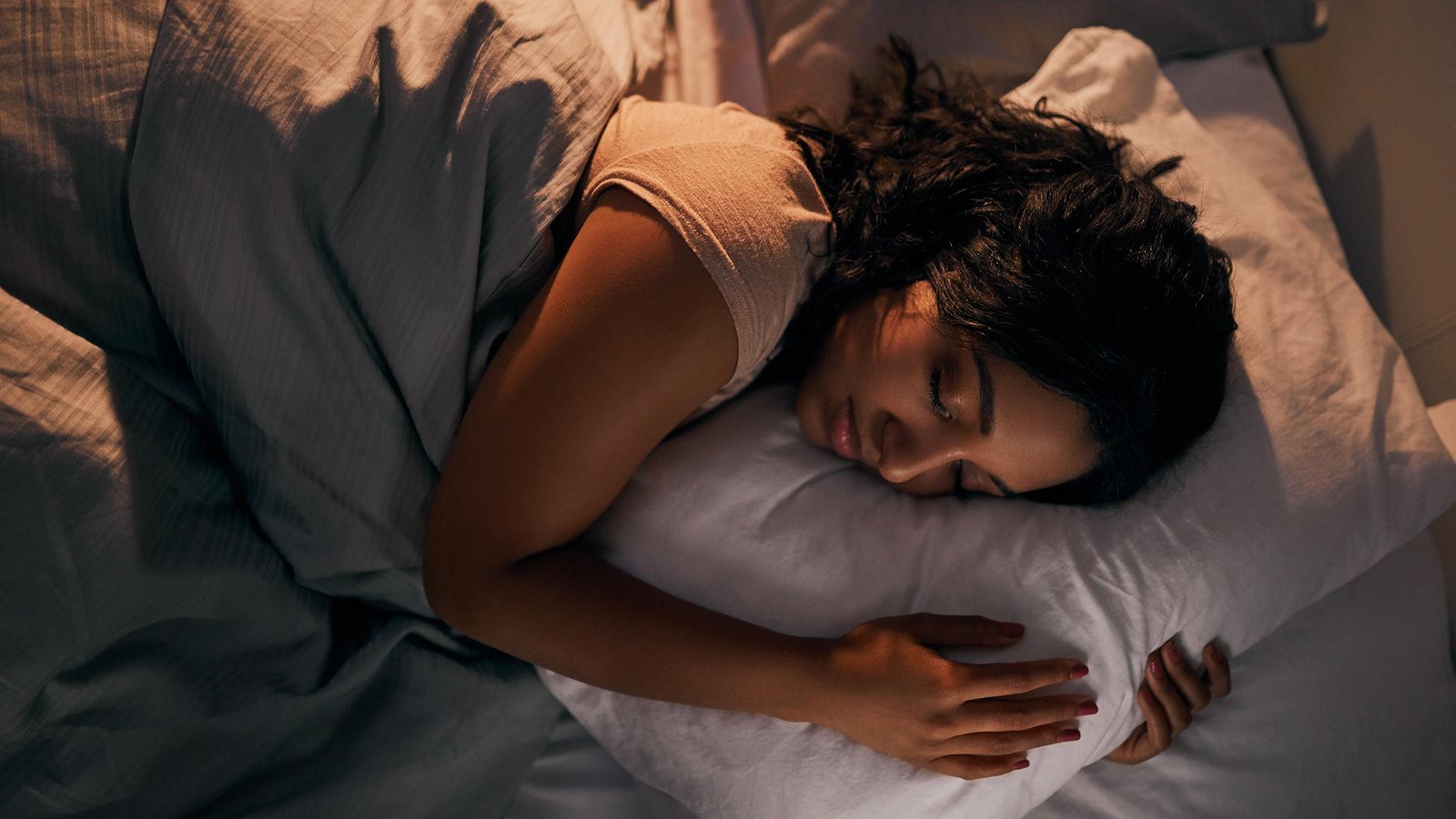
Midnight hours shape how we grow old, more than many realize. Though time moves forward without pause, daily routines like rest patterns shift how fast the body changes. Studies now link seven hours – give or take a few tenths – to younger-looking biology and stronger wellness over the years. Nightly downtime lets tissues heal, chemical signals balance, defenses sharpen, and thoughts clear. When rest becomes a quiet priority, energy and strength often last longer into later life.
How Sleep Influences Biological Aging
Sleep is when the body handles essential upkeep tasks. While resting, cells fix daily wear and tear. Hormone levels reset themselves slowly overnight. Muscles regain strength after exertion. Waste materials collected in the brain get cleared out. When rest falls short or feels restless, these processes start to lag behind.
Researchers believe sleep affects biological aging:
- Cellular Repair
Cells face daily strain due to toxins, mental pressure, junk food, and routine biological functions. During rest, they get a chance to fix genetic errors caused by free radicals. When slumber suffers, tissue renewal slows down – raising odds for long-term health issues.
- Hormonal Balance
When night comes, the body resets key signals – those guiding how we grow, handle pressure, eat, or burn fuel. Missing rest shifts balance, nudging up a chemical tied to tension, older appearance, extra pounds, and even less defense against illness.
- Brain Health
Because of this nightly sweep, thinking stays sharper over time.
Why 6.4 to 7.8 Hours May Be the Ideal Range
Lately, though, signs from body-age studies hint that around 6.4 to 7.8 hours might suit certain people better.
Not every person needs identical hours of rest. Age, genes, daily movement, tension levels, and medical status shape how much shut-eye someone requires. Even so, research hints that sleeping too short a time or far longer might speed up the body’s internal clock ticking toward older age.
Too Little Sleep
- Higher blood pressure
- Poor glucose control
- Reduced immune function
- Greater fatigue and stress
A slow decline builds when rest keeps getting cut short. Health wobbles as tiredness piles up without relief. Mind sharpness fades just as movement feels heavier. Without steady rest, systems inside start to stumble.
Too Much Sleep
Some folks who clock way more than eight or nine hours nightly seem to face worse health marks. What drives that link? Scientists keep digging. Often, long stretches in bed aren’t speeding up age – they’re signals. Hidden illness might be pulling the strings. So I was in a low mood. Or a body moving too little through the day. Even restless nights can make someone oversleep. The blanket isn’t breaking cells; it’s whispering about deeper cracks.
Most signs point one way: steady rest matters. Not too little, not too much – just a reliable stretch of good sleep night after night helps body and mind age well. What stands out isn’t extreme habits but regular rhythm. Too far in either direction brings more risk than reward. Rest done right means fewer problems down the road. Middle ground wins here. Quiet nights add up over years in ways science now sees clearly.
Sleep And How Long You Live
Most folks getting steady rest tend to stay healthier over time.
- Stroke
- Depression
- Obesity
- Early death
Might be that rest keeps those tiny shields on chromosome tips intact.
Habits for Better Sleep and Slower Aging
Good news – tiny tweaks, done regularly, might help fix how you sleep.
- Less screen time before sleep
Blue light sneaks out of phones, tablets, even TVs – this stuff tangles with melatonin, your body’s signal to drift off. Shutting screens down half an hour or so before bed might just let sleep come more smoothly.
- Keep the Bedroom Comfortable
When sheets feel good against skin, distractions fade – silence holds more ground then. Sleep tends to stretch longer without sounds cutting through.
Stress, Sleep, and Aging
It might be feeding your tension right back. Each affects the other, quietly shaping how you feel each day.
When stress sticks around too long, cortisol climbs – this can speed up aging, dull immune response, one sign being more frequent discomforts. Slowing down at night with solid sleep balances those same hormones while quietly building strength against daily strain.
Breathing slowly, sitting quietly, or just paying attention can make rest easier plus life feel clearer. A quiet mind often sleeps better, while days become calmer too.
Sleep Needs Change With Age
As years pass, how people sleep shifts on its own. Bodies growing through the teen years demand extra rest, so teens often need longer nights of sleep. When folks get older, their nighttime rest tends to be shallower – waking up several times becomes common.
Older folks might move more slowly, yet their need for rest stays strong. Seven solid hours often keep them sharp, even when years pile up.
What matters most is feeling refreshed and strong each day instead of fixating on a specific count.
Can Better Sleep Reverse Aging?
Midnight rest won’t turn back time, yet it might ease some of the body’s wear tied to getting older. Research hints at better slumber helping how we burn fuel, calming swelling, sharpening recall, brightening complexion, and lifting stamina.
People often notice visible benefits from better sleep, including:
- Brighter skin
- Improved mood
- Better concentration
- Higher energy
- Reduced under-eye puffiness
- Improved physical recovery
Repair and regulation grow stronger as the body adapts.
The Bigger Picture of Healthy Aging
Even when you get enough rest, living well means more than just bedtime routines.
Things like how fast your body ages depend on a mix of elements, such as:
- Nutrition
- Physical activity
- Stress management
- Smoking and alcohol use
- Social connection
- Mental health
- Genetics
A solid night’s rest fits naturally into any wider plan for feeling well.
Conclusion
Studies show hitting roughly 6.4 to 7.8 hours nightly might slow how fast cells age, lowers chances of long-standing illnesses. Though shutting eyes won’t freeze time, it shields both mind and muscle over the years. Pair deep rest with balanced meals, movement, calm thoughts – life stretches out, stays stronger, moves easier.
FAQs
1. What is biological aging?
A: Inside, your body might seem older or younger than the number of birthdays you’ve had. This gap shows up when looking at cells, organs, swelling inside the system, and general wear. Not every person matches their calendar age exactly – some run faster, others slower. What counts is how things work under the surface, not just time passing.
2. Why is sleep important for slowing biological aging?
A: Rest gives your body time to fix cells while keeping hormones steady. When nights are short, harm can build faster – tied to getting older or long-term illness. Healing slows if sleep lacks depth. Inflammation drops when rest runs deep. The immune system gains strength through consistent downtime. Brain function stays sharp mainly due to quality nightly pauses.
3. Does sleep affect skin aging?
A: True, while you rest, your body fixes damaged skin cells while building new collagen at the same time. Not sleeping well can lead to tired-looking skin, small wrinkles, shadows under the eyes, and less bounce in the skin – especially after weeks of bad sleep.
4. What habits can improve sleep quality?
A: Early to bed most days sets a steady rhythm. Less glowing screens at night shift things quietly toward rest. Moving the body often plays its part without announcement. Coffee after noon fades as an option on its own. A bedroom free of clutter and noise leans into stillness easily.