






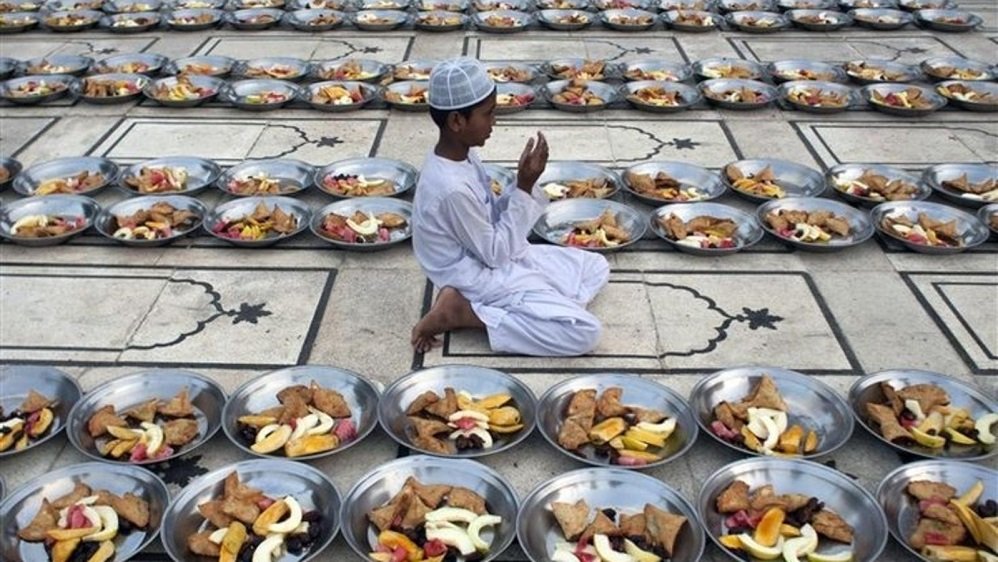
Fasting in Ramadan forms a calm gentleness of power. As light breaks each morning until shadows stretch at dusk, eating and drinking pause while prayer fills the gaps between moments. Yet stretching through those empty hours may bring tiredness, thirst, sore heads, less energy to move or think, more so under summer heat or when daylight lingers too long. Energy through Ramadan comes less from quantity of food, more from choices that fuel quietly. Sleep shaped with care lifts stamina when days stretch long. Body moves, mind rests, soul stays close – each piece held without force. What matters grows where rhythm meets respect
How To Maintain Energy Throughout The Holy Month?
1. Fasting Changes How Your Body Works
Look inside first. That way, when you talk about methods later, things make more sense because you see how stuff works behind the scenes
- Early on, around six to eight hours, fuel comes from glucose stored after eating. That energy source runs things until it fades.
- Fuel shifts to stored glycogen once eight to twelve hours pass.
- Fat becomes fuel when night comes around. Later on, metabolism switches tracks – energy now flows from stored reserves instead.
- When you drink enough water, your body might lose too much fluid. This happens more often when it’s very warm outside.
The middle of the day often brings a slump as sugar levels fall and the body loses fluids. Starting strong at Suhoor helps, while steady fueling by evening keeps energy up. A well-timed meal before dawn makes a difference, just like mindful eating after sunset does too.
2. Make Suhoor Your Power Meal
Fatigue, headaches, or irritability often show up when suhoor gets missed. That simple meal issues more than most recognize.
A. Concentrate on Gradual Carbohydrates
These supply consistent energy across the day:
- Oats
- Whole-grain bread
- Brown rice
- Quinoa
- Barley
When complex carbs break down, they do it gradually – keeping your energy steady without sharp drops.
B. Include Protein
Protein supports satisfaction and firms blood sugar:
- Eggs
- Yogurt
- Paneer
- Legumes and pulses
- Nut butters
A balanced suhoor example:
- Oatmeal with nuts and seeds
- Boiled eggs
- A banana
- Plenty of water
C. Add Nutritious Lipids
Nutritious Lipids extend fullness:
- Avocados
- Nuts and seeds
- Olive oil
- Chia seeds
Heavy meals during pre-dawn eating might slow you down. Fry-ups tend to weigh on the stomach.
3. Hydrate Strategically
Fatigue often strikes when fluids run low on a fast. Missing water can drain energy fast.
A. Drink Enough Between Iftar and Suhoor
Try drinking water during the day, surrounding eight to ten glasses total. Area it out alternatively of drinking too much at a time.
Hydration plan:
- Two servings of water when breaking fast
- 2–3 glasses after dinner
- Two servings at nighttime
- Two portions of water during the early-morning munch
B. Eat watery Foods
- Cucumbers
- Watermelon
- Oranges
- Soups
- Yogurt
C. Restrict Dehydrating Drinks
- Coffee
- Strong tea
- Sugary sodas
When caffeine kicks in, fluid loss might rise – making it tougher on those already low on water. When the body can’t catch its pace, headaches might tag along soon after.
4. Choosing Food After Fasting
When night falls, some Muslims break their fast with dates and water – following a practice tied to the Prophet Muhammad (PBUH). Simple as it seems, doing it again and again gives it depth over time. What began centuries ago still shapes evenings during Ramadan today. Even without fanfare, the act remains steady in homes worldwide. Not every ritual needs explanation to endure.
Dates are excellent because they:
- Provide natural sugars
- Quickly bring back normal sugar levels in your bloodstream
- Contains fiber and potassium
After Maghrib prayer, eat a stable meal containing:
- Lean protein
- Vegetables
- Whole foods
- Good fats
Fried things or sweets? Best to keep those small. Big plates slow you down after Iftar, making rest harder later on.
5. Sleep Cycle Management
Fatigue in Ramadan often stems from sleep that gets broken. A common reason? Night prayers mixed with early meals shift rest patterns off track.
Falling asleep late, waking early – Suhooh shifts everything when prayer, nightly worship, and jobs overlap. Night rhythms stretch thin under new demands.
A. Prioritize 6–8 Hours Total Sleep
If nighttime sleep is shorter:
- Take a 20–30 minute power nap during the day
- Sleep earlier when possible
B. Enhance Sleep Merit
- Evade displays before bed
- Keep the room cool and dark
- Limits on Caffeine After Iftar
A quick rest might clear your mind, yet still leave evening tiredness untouched.
6. Exercise Smartly
Moving keeps your spark alive – yet when you do it changes things.
Best Times to Exercise:
- 30–60 minutes before Iftar (light activity only)
- 1–2 hours after Iftar (moderate workout)
Recommended Activities:
- Walking
- Light strength training
- Stretching
- Yoga
When fasting, skip heavy exercise – particularly if it’s hot out – since that combo can drain your fluids fast. Glowing a lot without energy makes tiredness hit harder than forecasted.
7. Sustain Consistent Blood Sugar Levels
Sugar fluctuates through the circulation like a balancer out of sync. When stages drop unexpectedly, the body falters into tiredness mode without alert. This drop hits quietly at first – then drains momentum fast. Balance slips before most even notice it’s gone.
Avoid:
- Sugary Desserts at Iftar
- Refined carbohydrates (white bread, pastries)
- Excessive sweets
Choose:
- Fiber-rich foods
- Stabled macronutrients
- Smaller servings disperse namaste through the evening
When sugar calls your name, answer once full from real food instead of wide-open hunger. A treat lands better past the main course, never before.
8. Less Stress More Energy
Fasting lifts the soul more than it tires the body.
A. Simplify Your Schedule
- Prioritize essential tasks
- Delegate when possible
- Avoid overcommitting socially
B. Practice Mindfulness
- Slow breathing
- Dhikr Recall of Allah
- Short breaks between tasks
When the mind tires, bodies tend to follow soon after.
9. Consider supplements when necessary
If you usually feel exhausted:
- Iron
- Vitamin D
- B-complex vitamins
- Electrolytes (after Iftar)
Finding out what works might begin with a talk at your doctor’s office – particularly when health issues are already part of the picture.
10. Adapt to Weather and Task Demands
In Hot Climates:
- Reduce sun Vulnerability
- Wear fresh clothing
- Remain indoors during the apex heat
Jobs That Need Physical Struggle:
- Discuss flexible hours if possible
- Take more frequent rest breaks
- Hydrate well after Iftar
When health is at risk, skipping fasts in Islam is allowed – well-being comes first. Sometimes faith means knowing when to step back gently.
11. Soulful Power increase
Fasting during Ramadan trials more than craving; it nourishes the spirit’s stamina.
Some folks say steady when their body feels used out, something inside appears more alive. For those moments, a different sense takes over:
- Read and think about the Qur’an
- Attend Taraweeh regularly
- Habit appreciation
When an individual feels an intuition of a goal, their mind frequently deals with anxiety preferentially. Energy seems less drained when inner needs are met. A quiet clarity sometimes replaces fatigue. Significant instances develop resilience gradually. Life seems easier still throughout difficult periods.
12. Signs You Should Notice
If tiredness feels off, get checked by a doctor when these signs show up:
- Ongoing lightheadedness
- Fainting
- Intense headaches
- Highly faint urine
- Heart fluttering
Starting a fast? People with diabetes ought to likely chat with their doctor first. Health circumstances that adhere near briefly make it prudent to contact experts before altering eating routines. When someone is expecting, getting guidance from a clinician could be necessary before trying anything new.
13. Sample daily energy smart Ramadan routine
Suhoor (4:30 AM):
- Oats with nuts and fruit
- Boiled eggs
- Yogurt
- Two servings of liquid refreshment in clear containers
Morning:
- Light tasks
- Avoid intense activity
Midday:
- Short rest or power nap
Afternoon:
- Light work
- Take it slow when walking, if that helps
Iftar:
- Dates and water
- Soup
- Balanced meal
Evening:
- Taraweeh
- Light snack if needed
- Hydration
Before Bed:
- Last sip of water
- Sleep routine
Conclusion
Ramadan brings quiet strength, especially if days are shaped with thought. Begin mornings with a meal that holds grains, protein, salt – this builds steady fuel until sunset. When breaking fast, slow sips come first, then food that feeds without weighing down. Sleep matters more now, so rest follows rhythm instead of chasing late hours. A short walk after dusk lifts motion without draining reserves. Heavy sweets or oily dishes might spark joy briefly yet leave tiredness behind. Attention to the body needs sharpened prayer and presence alike. Energy stays even when the sunlight lasts long. This season bends time gently around faith and care.
Faqs
1. Can we exercise during fasting?
A: Fine, though keep workouts gentle or somewhere in between. Ideal moments happen when:
- Half an hour to one full hour before breaking the fast
- Later that evening, around one or two hours past Iftar
Strolling, reaching through stretches, or gentle exercise fit well. Sometimes movement flows more easily when it stays soft. A slow pace can feel just right. Motion does not need force to help. Simple actions often work best.
2. How can I prevent dehydration during fasting?
A: Drink Water Often Between Evening Meal and Pre-Dawn Breakfast. Soups arrive warm but still count toward fluid intake
Sipping less salt helps curb how much you drink. A little here, a shift there – thirst dips when flavors stay mild.
3. Sleep During Ramadan: How Important?
A: When days shift in Ramadan, rest keeps you steady. Since eating and praying times move around, catching good sleep matters more. One way to stay alert? Plan your naps like clockwork. Evenings get busy – try winding down early. When sunlight fades fast, bodies need rhythm. A quiet room before bedtime works better than screens. Hydration slips matter when meals bunch close together. Instead of scrolling late, try resting your eyes gently. With dawn prayers near, setting alarms wisely changes everything.
4. Why do some people get headaches while fasting?
A: When the body lacks fluids, headaches may show up – especially if coffee intake drops suddenly or blood sugar dips. Staying hydrated once evening meals begin helps ease this; cutting back on caffeine slowly in the weeks before fasting makes a difference, too.
5. Is Skipping Suhoor Allowed?
A: Early morning eating keeps energy steady through fasting hours. When that meal gets missed, tiredness shows up fast – sometimes with headaches or dizziness. Staying fueled before sunrise supports balance and alertness later on.
You Might Also Like