






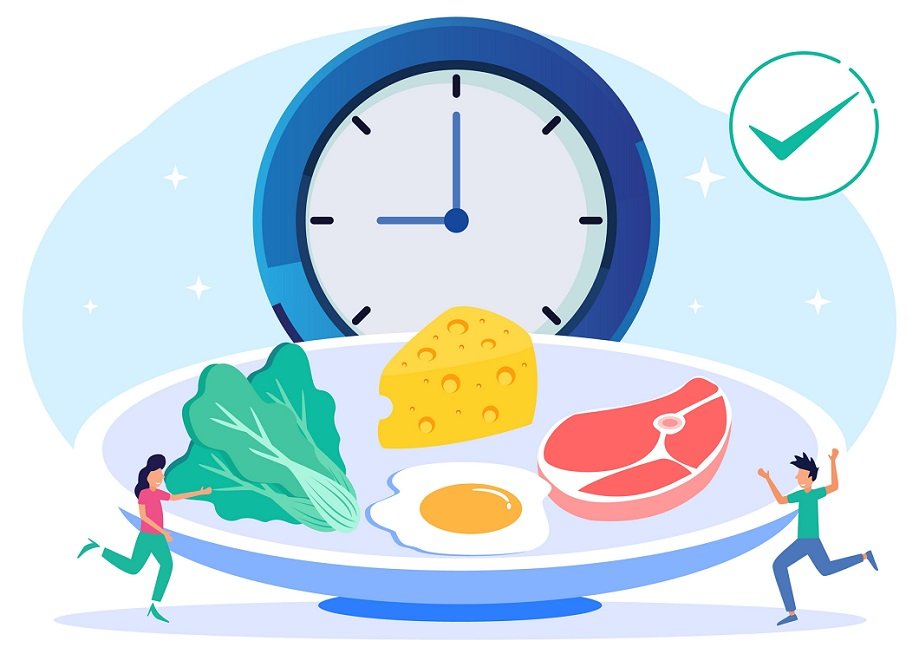
Right now, scientists digging into food and health aren’t only focused on meals – they’re looking hard at mealtimes. Called chrononutrition, this idea checks how eating times match up with the body’s inner rhythm. That daily cycle runs everything – sleep, fuel use, hormone shifts, wakefulness. Studies point to better sugar handling, easier weight balance, smoother digestion, maybe longer wellness if you time bites right. Does shifting when you eat actually move the needle? Then again, can syncing meals to biology work long-term in real life?
Understanding The Body’s Daily Rhythm
Inside every person, a quiet pattern runs day and night. This rhythm shapes when you rest, how hunger comes, when hormones flow. It guides heat levels in the body, along with energy use. Built into life itself, it sets timing for digestion, too. These loops repeat each twenty-four hours without stopping.
Inside your head, a main timekeeper sits in a tiny brain area called the SCN. Light changes guide its rhythm most of all. Yet small clocks also tick inside body parts such as the liver, pancreas, belly, and stored fat. Meals shape how these keep pace. Darkness matters less to them than when you eat.
Funny how a skipped meal here, a midnight snack there, throws off your body’s quiet rhythm. That tiny chaos inside? It stacks up. Weight climbs easier when signals get crossed. Sugar stays too long in blood because timing tricks cells. Hearts feel strain nobody meant to add. All from moments that felt harmless.
Timing meals to match the body’s internal clock is what chrononutrition focuses on.
The Core Principles of Chrononutrition
Though research is ongoing, several key principles define chrononutrition:
1. Eat More During Morning Hours
Early each day, cells respond better to insulin. That time frame lets blood sugar get managed with less effort by the body.
Eating big meals late at night might lead to:
- Raise blood sugar
- Promote fat storage
- Disrupt sleep quality
Chrononutrition encourages:
- A substantial breakfast
- A moderate lunch
2. Limit Late-Night Eating
Eating close to bedtime is associated with:
- Poor glucose control
- Increased body fat
- Higher inflammation markers
3. Time-Restricted Eating (TRE)
Each day, they fit everything eaten into a single span, usually around four hours across. Sunlight guides when forks move, with earlier plates getting more attention than those after dark.
Timing shapes the meal under TRE, not drastic calorie drops. Clock time weighs heavier than plate picks. Meals fall into place by hours, not hunger rules.
4. Chrononutrition’s effect on metabolism
Chrononutrition affects different living processes:
Insulin Responsiveness
Morning brings insulin working at its best. As hours pass, that sharpness fades slowly. The same food eaten later hits the body differently. The time of eating changes how blood sugar reacts.
For example:
- Burning through eight carbs could power your morning well. Early intake might just match how the body wakes up. Fueling early often lines up with natural rhythms. Starting the day right usually means using food better. Timing matters when it comes to breakfast energy.
- Eating carbs late might shift how your body handles them. Midnight snacks could turn into stored energy more easily. At night, fuel sources behave differently inside you. Ten o’clock meals may slow down metabolism’s work. Stored reserves grow when timing changes like this.
Hormones Influence Hunger
Hormones such as:
- Ghrelin
- Leptin
- Cortisol
- Melatonin
Every rhythm moves with the day’s cycle. When meals come too late, those cues can stumble – hunger grows, urges rise instead.
Energy Expenditure
Early hours often see a quicker metabolism at rest, plus more energy used breaking down meals. That spark tends to fade later on.
Early meals might rev up calorie burn a bit more than late ones. Your body seems to work harder on digestion when daylight’s around. Mornings appear to give metabolism a small edge over evening hours.
Potential Health Benefits of Chrononutrition
What we see so far holds weight, despite the ongoing shifts.
1. Weight Management
Breakfast sooner, plus narrowing dinner hours might:
- Reduce overall calorie intake naturally
Breakfast bigger, dinner smaller – this combo sometimes leads to greater weight loss, research hints. Equal calories aside, shifting food bulk earlier seems to help some shed pounds. Not everyone sees results, yet patterns point a certain way. Meals timed like this differ from common habits. The evening meal weighs less in these cases. Findings pop up across separate analyses. Weight shifts follow the split, not just totals.
2. Better Management of Blood Sugar Levels
Aligning meals with patterns may:
- Lower fasting glucose
- Improve HbA1c levels
- Reduce diabetes
Timing meals earlier in the day lines up with stronger control over blood glucose levels. This pattern – eating only during daylight hours before late afternoon – shows clear benefits. Shifting intake toward the start of the day makes a noticeable difference in metabolic response. The body appears more efficient when food ends early, well before nightfall.
3. Better Sleep Quality
Avoiding heavy late-night meals may:
- Improve melatonin production
- Reduce nighttime awakenings
- Enhance sleep depth
Fewer restless nights often mean a smoother-running body clock, which can quietly boost how you process energy. When rest settles in better, your system tends to follow along.
4. Reduced Inflammation
Mornings out of sync might raise bodywide irritation signals. Eating tuned to daily rhythms could calm that inner flare-up tied to long-term health issues.
People Who Could Gain the Most?
Chrononutrition may be especially helpful for:
- Folks who’ve got trouble using insulin often face higher blood sugar levels before diabetes shows up
- Frequent slumps in daytime energy could find some relief here.
Who Needs to Be Careful?
Not every person fits well with chrononutrition.
Shift Workers
When people work overnight hours, their internal rhythm can feel off, regardless of meal timing changes. For these workers, trying alternative approaches may make more sense.
People With Past Eating Disorders
Tight meal schedules might bring back the urge to restrict. A flexible approach protects mental space.
Pregnant or Breastfeeding Women
Fuel needs climb when growing, causing meal schedules to adjust accordingly. When energy needs climb, meals could come at looser hours. Body changes call for more intake – timing often bends around that. As nutrition requirements go up, when food happens, it can become less fixed. Needs grow stronger, which sometimes pulls schedules out of routine.
High-Performance Athletes
Fuel needs can shift when workouts pile up, so rigid clocks matter less than what works. Timing bends when effort doesn’t stop.
Chrononutrition vs. Intermittent Fasting
Fasting now and then shares space with timing meals by the clock – still, they aren’t the same beast.
Fasting now and then? That one often means timing matters more than food choice – say, skip breakfast some days. Clocking sixteen hours without eating while squeezing meals into eight – that pattern shows up a lot. Time stretches between bites takes center stage here.
Chrononutrition emphasizes:
- Eating earlier in the day
- Matching with circadian biology
- Hormonal rhythms
- Consistency in timing
Morning light wakes your rhythm. Eating early follows that signal. A late schedule fights it instead. Your body notices the difference. Time shapes how food affects you. Not just what you eat counts. When you eat steers the outcome too. Early fits nature’s pace. Late stumbles against it. Sync brings balance. Mismatch adds strain. Days stack these effects. Small shifts echo through weeks. Rhythm rules more than we admit. Timing pulls hidden levers.
Simple Ways to Explore Eating by Time
If we need to experiment with chrononutrition, consider these steps:
1. Start with Breakfast
Start your day without skipping. A meal packed with protein might change how you feel by midmorning. Notice shifts in stamina after eating. Some find focus sharpens when hunger fades early. Try it for a few days – see what happens. How food lands matters more than timing sometimes. Watch closely, adjust later.
2. Move Dinner Earlier
A bit sooner each time, move dinner forward by half an hour or so. Occasionally, sixty minutes also functions just okay.
3. Avoid Late-Night Snacking
Sleep draws nearer when the kitchen shuts down early – best set that limit two or three hours ahead. A quiet space after eating stops helps the night settle in without push.
4. Put First Dawn Brightness contact
Brightness at sunrises sets the rhythm for energy use across the hours that follow. Early rays reset the system, keeping hunger and burn aligned. As dawn arrives, a signal spreads through cells to match nature’s cycle. This natural cue keeps bodily functions flowing without delay.
5. Stability proteins
Roughage keeps things active, while nuts provide a calm kind of energy. Eggs at sunrise align better with how bodies clock their days. Meals built slowly burn longer. Timing matters just as much as what lands on the fork.
Research Findings on the Topic?
Few answers sit firm just yet when it comes to timing meals and health. Some clues show up in recent studies, though nothing locks into place.
The clearest signs point to:
- Ahead-of-time-limited eating
- Boost glucose energy processing
- Weight loss support
- Circadian rhythm synchronization
Long-term studies are still needed to determine:
- Sustainability
- Effects across diverse populations
The funny thing is, real-life biology plus more studies piling up are turning meal timing into a quiet revolution inside metabolism research.
Conclusion
Health ties closely to when we eat, not just what lands on our plate. Meal timing tuned to your inner rhythm might lift how energy flows through the day. A better sugar balance could follow if breakfast comes early and dinner ends sooner. Sleep often deepens once midnight bites fade into memory. Steady mealtimes anchor the system without demanding perfection. No single plan suits everyone, yet tiny changes hold quiet strength. A pattern works best when life keeps turning smoothly around it. Clocks inside cells whisper cues worth noticing now and then. Simple tweaks, kept up, sometimes shift well-being in ways hard to ignore.
Faqs
1. How is chrononutrition different from intermittent fasting?
A: When you try intermittent fasting, timing matters most – say, sixteen hours without food followed by eight for meals. A clock shapes your day instead of constant snacking. Some skip breakfast simply because it fits their rhythm better. Not counting calories becomes possible when window control intake. Hours define the pattern more than plate contents do. Fasting stretches happen while daily life continues around them. Skipping breakfast might throw off daily cycles. Eating late at night tends to confuse internal timing. A morning-focused schedule usually works better. The clock inside you notices when you eat. Light exposure plays a role, too. Your energy levels shift based on meal timing. Some patterns support balance. Others create misalignment over time.
2. What makes time so key when it comes to how your body burns fuel?
A: Morning digestion moves faster than at night. That happens since enzyme activity shifts with sunlight exposure. As hours pass, stomach responses change without warning. By evening, gut absorption slows way down. This occurs while internal clocks adjust silently. Even taste sensitivity varies across daylight cycles. Morning brings a sharper response to insulin. Body cells react more quickly when the sun rises. This shift happens before noon hits. Energy handling peaks early in the day. Sensitivity fades slowly after breakfast passes. Digestion is more efficient earlier. Energy expenditure is slightly higher during the daytime. Folks who eat late might see their blood sugar jump more. This timing could also encourage the body to hold on to fat a bit longer.
3. Is breakfast really important in chrononutrition?
A: Yes – chrononutrition generally supports eating a balanced breakfast because:
Morning insulin sensitivity is higher
Fewer cravings might show up after dark
It helps stabilize energy levels
Still, what you eat at breakfast counts more than just when it happens.
4. What is the ideal eating window?
A: Research often supports:
- An 8–12 hour eating window
- Earlier in the day, preferred such as 8 AM to 6 PM
- People occasionally refer to this method as early time-limited eating.
Still, what works best ties to when you usually wake up and how late you stay in bed.
5. Does Weight loss possible through timing meals differently during the day?
A: Might help keep your weight steady through these ways:
- Enhancing fat metabolism
- Naturally lowering calorie intake for some people
Still, it’s about how many calories you take in compared to what you burn – plus what kinds of foods make up those calories.
6. Blood sugar control – might it get better?
A: True enough. Research points to benefits when meals happen sooner in the day, especially if eaten at regular times, like clockwork, and lower fasting glucose
You Might Also Like