




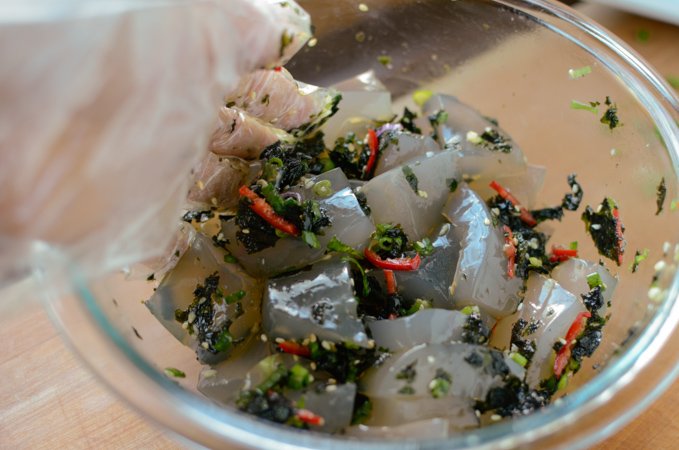
From Korea comes a type of jelly sweet that feels light, bright, yet full on the tongue. While old favorites like fruit-soaked Hwachae or firm mung bean Muk hold their ground, lately it’s the milky jellies – cut into neat cubes – that pop up across screens. Found in cozy Seoul cafes or tucked beside berries in tall glasses. Served slowly with syrup drizzled at the edge, sometimes floating in cold milk. Each bite wobbles just enough before dissolving mid-chew. Soft wobbles of Korean jelly treats catch eyes with their bright colors. Once set, they slice neatly into little squares or fun forms. Coldness defines how they’re presented – always on ice, never warm.
Korean Gelatin Recipe (Korean Milk Jelly Cubes)
Preparation Time:
- Preparation Time 20 Minutes
- Set time to two to three hours
- Total Time Around Three Hours
Servings:
- 4–6 servings
Ingredients:
For the Jelly Base:
- 2 cups milk (whole milk preferred)
- Two spoonfuls of jelly-making powder without any added taste
- Half a cup of sugar goes in here – tweak it if you want something less sweet
- ½ teaspoon vanilla extract
- ½ cup water
Optional Flavor Additions:
You can flavor the jelly with:
- Strawberry puree
- Mango puree
- Matcha powder
- Coffee
- Chocolate syrup
Optional Garnishes
- Fruit just picked – try strawberries. Mango shows up, sweet when ripe. Kiwi brings a tangy note. Each bite is different in its own way
- Honey or fruit syrup
- Condensed milk
- Coconut milk
- Ice cubes
Utensils Required:
- Tiny pan
- Mixing bowl
- Whisk
- Measuring cups
- Square mold or tray
- Refrigerator
Step-by-Step Preparation
Step 1: Bloom the gelatin
Blooming comes before everything else when you make gelatin treats. That soft swell of powder in liquid sets the whole thing in motion.
1. Start by incorporating half a cup of cold water into a bowl.
2. Combine two spoonfuls of gelatin into the water gradually at first.
3. Wait a little while – about five to ten minutes should do.
Right now, water soaks into the gelatin until it becomes soft. That way, when warmed, it merges seamlessly without clustering.
Step 2: Heat the milk. Mix
1. Milk – two full cups – slides into the pan. Slowly at first, then all of it moves together.
2. Sugar goes in next – about half a cup worth. Measure it loosely, not packed tight.
3. Warm it slowly, using a low flame. A gentle touch keeps things steady.
4. Keep mixing without stopping till the sugar vanishes into the liquid.
Important tips:
- Keep watch on the milk so it doesn’t reach the boiling point.
Step 3: Add Blooming Gelatin
Stir in the ready gelatin next. Then watch it blend slowly into the mix.
1. Mix the softened gelatin into the warm milk blend slowly. Then let it dissolve without rushing.
2. A few seconds more of stirring makes the gelatin vanish into the liquid.
3. A silky blend comes together when every bit flows without clumps. Smoothness shows only if nothing grainy remains behind.
Step 4: Add flavor
At this stage, you can add flavor.
Add:
- Half a spoon of vanilla flavor drops
Optional flavoring ideas:
- One spoon of green tea dust goes into the bowl. That mix makes the wobbly dessert part. Just enough to turn liquid into something you can scoop
- A couple of spoonfuls of cocoa powder go into the mix when making chocolate jelly,
- ¼ cup fruit puree (for fruit jelly)
Stir everything together slowly, making sure it blends into one. Finish when no lumps remain visible.
Step 5: Pour Into Mold
Get ready a container for shaping. A dish works just fine.
1. A touch of oil brushed inside keeps things loose later. Greasing the pan just enough helps it slide out clean.
2. Silently slide the gelatin blend into the mold, little by little.
3. A light tap on the mold lets trapped air escape. Shaking slightly helps pockets of air loosen. A small nudge shifts hidden bubbles free. Bumping it once moves what’s stuck inside.
You can use:
- Square tray (for cubes)
- Silicone molds (for shapes)
- Glass containers
Step 6: Refrigerate
Open the fridge door first. Inside, set the mold on a flat shelf. Wait while it cools down slowly.
Cold air changes its shape over time.
Wait until it firms up
- 2–3 hours
Suddenly, the gelatin turns solid yet gentle to the touch.
Step 7: Cut the Jelly
Once fully set:
1. Take out the mold after it comes out of the cold box.
2. Fine line traced by steel near the border.
Once flat on the surface, let it rest there.
3. Fragments form when sliced tiny. Pieces take shape through careful division.
4. A soft shine comes through on each cube. Smoothness shows best when light moves across them.
Serving Korean Gelatin
On occasion, Korean jelly squares come in small containers. Sometimes they sit inside clear cups instead.
Simple Serving Style
1. Into a bowl go the jelly cubes.
2. Add fresh fruit.
3. Cold milk goes over the surface.
Cafe-Style Serving
1. Filled with wobbly shapes, the cup gets its color now. Inside goes each piece, one after another, slowly.
2. Add crushed ice.
3. Pour fruit syrup or soda.
Folks often spot this look inside Korean sweet shops.
Korean Fruit Jelly Drink with Milk
A spoonful of wobbly squares slips into cold milk. This mix turns ordinary sips into something softly chewy. Each bite-sized cube bounces between sweet and creamy.
Ingredients:
- 1 cup jelly cubes
- 1 cup cold milk
- Two spoonfuls of thick, sweetened milk
- Fresh fruit
Method:
1. Into a high glass go the jellied squares. One by one, they slide inside, wobbling slightly.
2. Add fruit slices.
3. Pour milk.
4. Sweetness comes when you pour in the condensed milk.
Provide it with a rapid mix, then place it out right apart.
Colorful Stacked Korean Jelly
Layered Korean gelatin is something you might try making, too.
Extra Ingredients:
- Blueberry nectar blends with strawberry liquid. Mango flows into the mix, creating a sweet drink. Each flavor stands out yet fits together
- Different food colors
Method:
1. Prepare various jelly mixtures with various flavors.
2. Pour the base coat, then wait twenty minutes in the fridge. After that cold pause, continue with what comes next.
3. When it starts to hold its shape, put on another layer.
4. Keep going till every layer is in place.
This creates a beautiful rainbow jelly dessert.
Traditional Korean Jelly
Traditional Korean jellies
1. Mung Bean Jelly Muk
Made from mung bean starch.
Characteristics:
- Savory jelly
- Served with soy sauce
- Frequently showing up beside the main course
2. Acorn Jelly (Dotorimuk)
Made from acorn starch.
Served with:
- Sesame oil
- Garlic
- Chili flakes
A solid choice when you want something that won’t consider you down.
Nutritional Details
Per serving:
Calories: 120–160
Protein: 4 g
Fat: 3 g
Carbohydrates: 18 g
Fruit combined with milk conveys nutrients. When combined, they offer energy through natural sugars. This mix adds protein alongside vitamins. A blend like this supports daily needs. It works well as part of a routine intake
- Calcium
- Vitamins
- Hydration
Tips for Perfect Korean Jelly
1. Always Bloom Gelatin
Blooming isn’t something to miss. Smoothness depends on it.
2. Avoid Boiling
Burning hot temperatures melt down gelatin’s hold. Strength fades when things get too warm.
3. Use Silicone Molds
Jelly slips out faster now. That helps a lot.
4. Chill Properly
Allow at least 2 hours for firm setting.
5. Use Fresh Fruit with Caution
Pineapple stops gelatin from hardening if it is raw. Heat changes that.
Common Mistakes
Jelly Not Setting
Possible reasons:
- Too little gelatin
- Too much liquid
- Too short a time in the cold
Grainy Texture
Might happen when the gelatin doesn’t fully break down.
Sticky Jelly
Powered by too much sugar or uneven blends.
Flavor Differences
Mango Korean Jelly
Pour the mango purée into the mix of milk slowly. Then watch how it swirls through the liquid.
Strawberry Jelly
Fresh berries pressed into liquid instead of dairy cuts back on creaminess. Strawberries swap in where white pour usually goes.
Coffee Jelly
Freshly stir the instant coffee right into the milk.
Matcha Jelly
Start by pouring in the matcha powder, then move the whisk fast until smooth. Finish when no clumps remain visible.
Creative Korean Jelly Desserts
Besides that, try making:
- Jelly bubble tea
- Jelly fruit salad
- Jelly shaved ice topping
- Jelly parfaits
Baked treats pop up often in today’s Seoul-style sweet spots.
Storage
Jelly stays best when chilled inside a sealed box. Cold storage keeps it safe from air and spills.
Shelf life:
- 3–4 days
Frozen? That kills the feel completely.
Why Korean jelly desserts became common
Korean jelly desserts are popular because they are:
- Light
- Refreshing
- Beautiful
- Easy to make
- Customizable
Coolness makes them a frequent choice when temperatures rise. Hydration plays a role, too, during hot months.
Conclusion
Sweet jellies from Korea feel smooth, clean, and full of quiet charm. Not made fancy – milk bits wobble in clear squares, fruits swim inside, colors stack slowly like sunsets. Old dishes whisper here: Hwachae once floated petals; acorn gels held forest earth. Now sugar meets agar, water heats softly, molds wait silent on counters. A spoon slips through cool layers without noise. Flavors shift when you want – citrus one day, tea the next – no rules pressed hard. They sit small on plates, catching light before vanishing into happy bites. Summer eats them fast. Gatherings find space near cakes, quieter but noticed. Hands mix bowls at home using what sits close by. No magic tools needed – just time shaping stillness into something sweet to chew.
Faqs
1. Can fresh fruits be added to the jelly?
A: Fruit choices matter more than most realize. Strawberries often go in, also mangoes, sometimes kiwi. Pineapple? It interferes. Same with papaya. Enzymes inside them stop gelatin from firming up. Cooking those fruits changes their chemistry. Once heated, they behave differently.
2. What molds can be used to shape Korean jelly?
A: Start by picking any container that holds liquid – silicone ones work well since the jelly slides out clean. Glass dishes do fine too, though getting cubes free might take some care. Ice trays fit small portions, while baking sheets spread the mix thin. The soft kind bends just enough so pieces stay whole when lifted.
3. How should Korean gelatin dessert be served?
A: Chilled cubes of jelly often appear alongside milk, their soft wobble catching light before a spoon breaks through. Sometimes syrup drizzles on top, pooling slightly at the edges. Fresh fruit might nestle nearby, adding color and contrast. Condensed milk occasionally flows beneath in slow ribbons. Drinks gain texture when pieces slip inside, bobbing gently in punches or iced teas. A cool sip meets tiny bursts of sweetness now and then.
4. How long can Korean jelly be stored?
A: Stored in a sealed container, Korean gelatin lasts 3 to 4 days inside the fridge. Freshness brings out its full flavor and smooth feel. Eating it soon after preparation makes all the difference.
5. Can Korean Gelatin be frozen?
A: Once frozen, jelly often turns runny after defrosting. Its once firm shape slips away, replaced by a looser feel. The chill breaks down the structure slowly. Smoothness fades when ice crystals form inside. Cold storage alters how it sits on the spoon later.