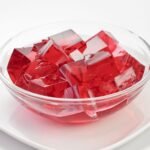






Let us start with a clear and honest answer. A pink gelatin weight loss recipe is a low-calorie, high-volume dessert primarily composed of sugar-free pink gelatin and water. People use it to support weight loss by reducing calorie intake, managing sweet cravings, and improving portion control. It does not burn fat or cleanse the body. Its value comes from helping people eat fewer calories without feeling deprived.
If you have ever wanted something sweet after dinner but did not want the regret that usually follows, this recipe exists for that exact moment.
What Exactly Is Pink Gelatin Made Of?
Understanding the ingredients helps you use the recipe correctly and safely.
Pink gelatin powder usually contains
- Gelatin, derived from collagen
- Flavoring such as strawberry or raspberry
- Coloring
- A low-calorie sweetener in sugar-free versions
When mixed with water and chilled, gelatin forms a gel structure that traps water. This structure creates volume. That volume is the reason gelatin feels filling even though it contains very few calories.
In simple terms, you are mostly eating water that holds its shape.
Why Pink Gelatin Is Used for Weight Loss?
Pink gelatin became popular for weight loss for three practical reasons.
- It is very low in calories
- It satisfies sweet cravings without sugar overload
- It encourages portion control because it is set into defined servings
These benefits are behavioral rather than metabolic. That is actually a good thing, because behavior-based strategies tend to last longer than quick fixes.
Pink Gelatin Weight Loss Recipe Basic Version Explained Step by Step
This is the foundational recipe. Everything else builds on this.
Ingredients and why they matter
- Sugar-free pink gelatin provides flavor and structure
- Hot water dissolves the gelatin properly
- Cold water helps the mixture set evenly and improves texture
Skipping proper ratios often leads to rubbery or watery results, which is why some people think they dislike gelatin.
Detailed preparation method
Boil water and measure carefully
- Pour hot water into a bowl containing the gelatin powder
- Stir continuously for at least two minutes until fully dissolved
- Slowly add cold water while stirring to prevent clumping
- Pour the liquid into a shallow glass dish or individual containers
- Refrigerate uncovered for thirty minutes, then cover lightly
- Allow it to set fully for at least two hours
- Using a shallow dish helps the gelatin set faster and makes portion control easier.
How Texture Affects Satiety and Satisfaction?
Texture plays a surprisingly large role in how filling the recipe feels. Firmer gelatin slows eating and increases satisfaction. Very soft gelatin is eaten quickly and feels less filling
If your gelatin feels too soft, slightly reduce the water next time. If it feels too firm, add a bit more cold water.
Adjusting texture is an advanced but useful skill.
Advanced Pink Gelatin Weight Loss Recipe Variations
Once the basic version feels repetitive, these variations add nutrition without turning the recipe into a calorie-heavy dessert.
Pink gelatin with Greek yogurt
- Adds protein
- Creates a creamy, mousse-like texture
- Increases fullness
Allow the gelatin to cool until warm, then gently fold in plain low-fat Greek yogurt.
Pink gelatin with fresh fruit
- Adds fiber and micronutrients
- Improves texture and chewing satisfaction
Use small portions of strawberries or raspberries to avoid excess sugar.
Pink gelatin with chia seeds
- Adds fiber
- Slows digestion
- Creates a thicker texture
Add one teaspoon of chia seeds per serving before chilling.
Vegan-friendly pink gelatin recipe
- Replace gelatin with agar agar
- Follow package instructions carefully
- Expect a firmer texture
Agar sets faster and feels different, but remains filling.
When to Eat Pink Gelatin for Best Weight Loss Support
Timing affects how useful this recipe is.
Pink gelatin works best as a replacement, not an addition.
Good times to eat it include
- After dinner, instead of traditional desserts
- Mid-afternoon, when sweet cravings appear
- Late evening, when boredom eating starts
A real example helps. Someone who eats cookies at night may switch to pink gelatin several times per week. Over a month, calorie intake drops without feeling restricted.
Common Recipe Mistakes That Reduce Effectiveness
Many people struggle because of simple errors.
- Not dissolving gelatin fully
- Adding sugar, syrups, or toppings
- Using gelatin instead of balanced meals
- Expecting fast, visible weight loss
Pink gelatin supports habits. It does not override them.
Is There Scientific Support Behind Gelatin for Weight Loss?
There is no direct clinical study proving pink gelatin causes weight loss.
However, nutrition research consistently supports
- Low-calorie, high-volume foods for appetite control
- Protein intake for improved satiety
- Structured snacks for reduced overeating
Pink gelatin aligns with these principles without making unrealistic claims.
Frequently Asked Questions
Does pink gelatin actually help with weight loss?
Pink gelatin supports weight loss by reducing calorie intake and controlling sweet cravings when used as a dessert replacement.
How often should I eat pink gelatin for weight loss?
Most people benefit from eating pink gelatin three to five times per week as part of a balanced routine.
Can I eat pink gelatin every day?
You can eat it daily, but relying on it too much may reduce dietary variety and overall nutrition.
Is sugar-free pink gelatin safe for regular consumption?
Sugar-free pink gelatin is generally safe, but people sensitive to artificial sweeteners should monitor digestion carefully.
Can pink gelatin replace meals?
Pink gelatin should not replace meals because it lacks essential nutrients needed for energy, muscle, and overall health.
When can I expect weight loss results?
Results depend on overall calorie control and consistency, with changes usually appearing gradually over several weeks.
Final Takeaway
Pink gelatin weight loss recipes work because they make better choices easier. They offer sweetness, structure, and satisfaction with very few calories. When used intentionally, they support long-term habits rather than short-term fixes.
Weight loss succeeds when routines feel manageable. This recipe helps with that.
References
Maastricht University Clinical Trial
Veldhorst M, Westerterp Plantenga M. Effects of gelatin as a protein source on appetite control and weight maintenance after weight loss. American Journal of Clinical Nutrition, 2010.
Harvard T H Chan School of Public Health
Research on protein intake and appetite regulation explains how protein and low-calorie foods support satiety and healthy weight management.
National Institutes of Health
The scientific literature on dietary protein and satiety mechanisms discusses how protein intake affects hunger hormones and calorie control.
Disclaimers:
This content is for informational purposes only and does not provide medical advice. Individual results vary. Always consult a qualified healthcare professional before making any dietary changes, especially if you are pregnant, breastfeeding, or managing a medical condition.