



One might not expect a wobble-like treat to have much in common with a kitchen staple used for scrubbing pans – yet color-shifting desserts and fizzy powders share more than meets the eye. One wobbles on a dish. The other waits, still, inside a container. Their meeting kicks off changes you can see. From heated animal collagen, gelatin forms – the reason some foods bounce. Together, they show how molecules shift shape under certain conditions – not always predictably. Even soft gels can trap bubbles if the environment turns just right. What results isn’t magic but measurable change driven by pH shifts and protein behavior.
What Is Jello?
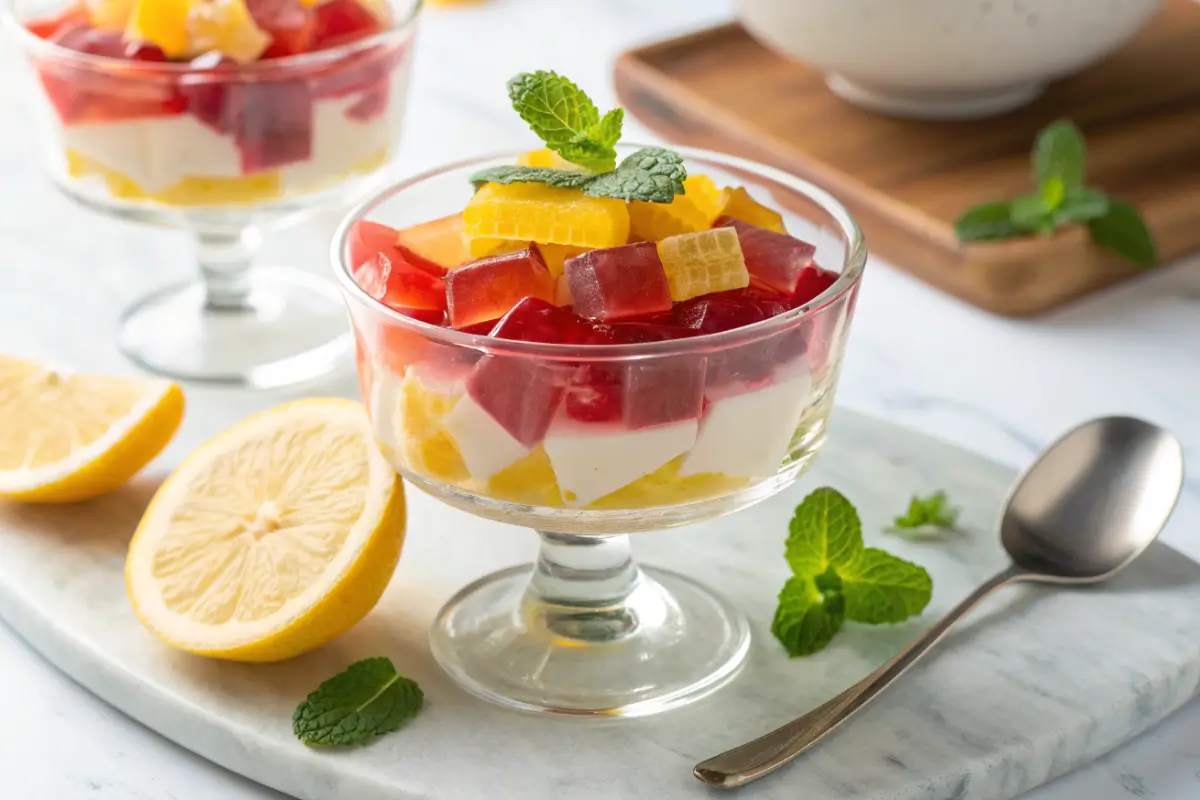
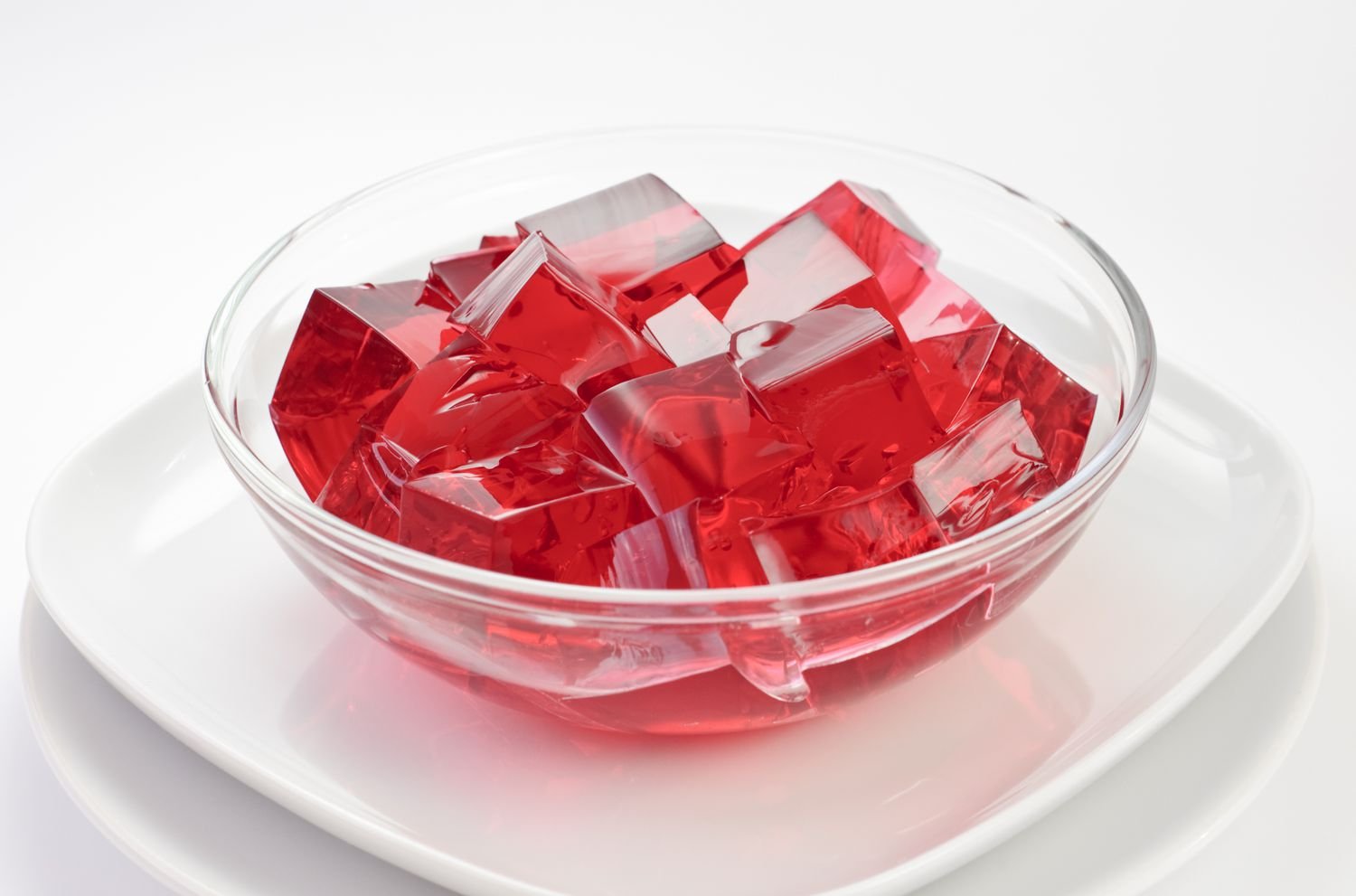
Wobbling on dessert plates everywhere, Jello catches eyes with bold hues and a sugary bite. Known far beyond its original label, the term “Jello” often slips into conversation when folks mean any gelatin treat, not just the branded kind.
Jello contains Gelatin Sugar Corn Syrup Flavorings And Color
- Gelatin (a protein obtained from protein)
- Sugar or synthetic sugars
- Flavoring components
- Food coloring
- Sometimes, added acids for tartness
The Science Behind Gelatin
Water warmth pulls gelatin apart once it dissolves. Animal parts rich in support proteins give rise to this substance during processing. Cooling brings the strands back together, though not fully. A scattered web takes shape across space, holding moisture within its gaps. A solid-like texture appears even if mostly liquid remains trapped.
This odd setup is what makes Jello wobble just right
- Wobble
- Sleek consistency
- Dissolve-in-the-palate standard
Bouncing between shifts in heat or pH, the fragile gel structure might shift. Enzymes creep in, nudging change. So do some chemicals – baking soda slips into the mix, quietly altering things. Each detail matters when stability wavers.
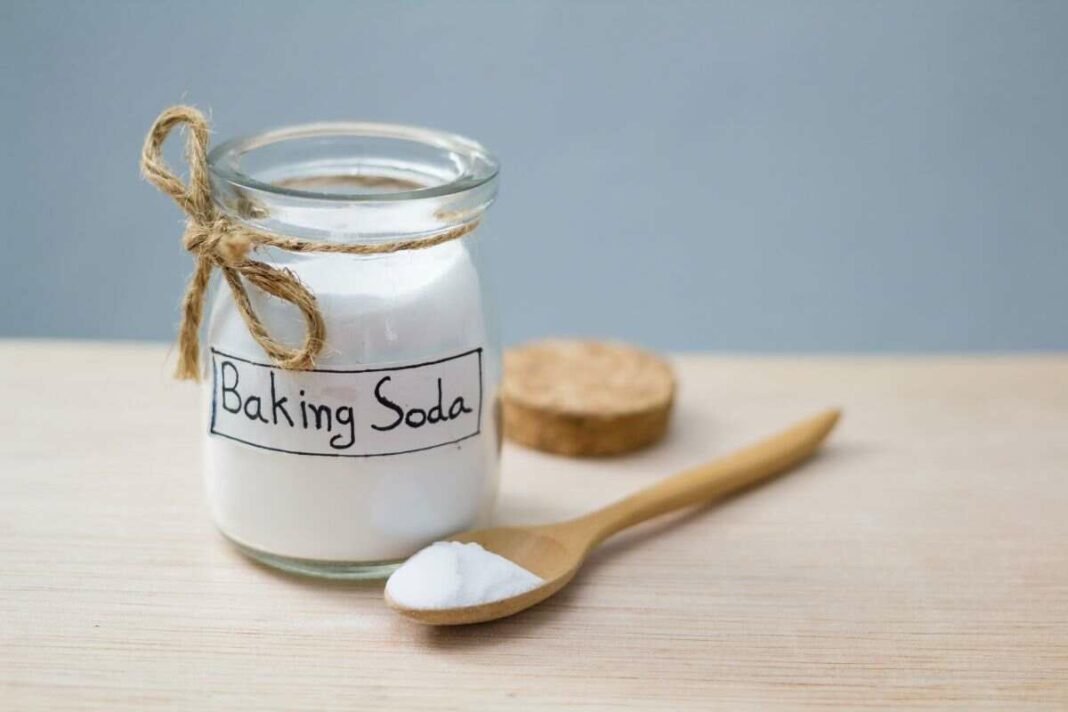
What is Baking Soda?
Baking soda displays rise as sodium bicarbonate in ingredient catalogues, also recorded as NaHCO₃. Its look? Crystals, white and powdery – but hold it, it feels solid under fingers. Alkalinity describes how it performs, however, only a bit so.
Baking soda is broadly applied for:
- Baking (as a leavening agent)
- Cleaning
- Deodorizing
- Science experiments
Chemical Properties
- Sodium bicarbonate
Most folks know it by how they respond:
Baking Soda reacts with Acid To form Carbon Dioxide and Water
When jello meets baking soda?
Something happens if you stir Jello together with baking soda – it depends on what else is in the bowl. The result shifts when vinegar or lemon juice comes into play. Mixing these two alone won’t bubble unless acid shows up later. Temperature might change how fast anything unfolds. What you see relies heavily on timing and ratios. Even the order of pouring matters more than expected.
Let’s examine different scenarios
1. Baking Soda blended into Ready Jello, combine
If you dissolve Jello in hot water and then include baking soda:
Instant Results
- A little bubbling might happen when acid is part of the gelatin blend. Sometimes tiny bubbles appear if sour ingredients are added. The mixture may tingle slightly upon mixing due to acidic components. Bubbles can show up softly whenever tartness comes into play
- Cloudiness in the solution
- Possible foaming
What causes this?
Some jelly powders include gentle acids like:
- Citric acid
- Fumaric acid
Effect on Texture
Because gelatin structure is sensitive to pH:
- Baking soda lifts the pH level – shifting things toward basic. A pinch changes how acidic it feels. The balance tips just by mixing it in. Not magic, just chemistry doing its quiet shift.
- When this happens, the structure of proteins may lose strength.
- Softness might take over the gel.
- If there is too much, the setting process might not work correctly.
A bit of acidity helps gelatin firm up just right. When things turn too alkaline, though, the structure starts to falter – hydrogen bonds weaken, protein links break apart.
2. Baking Soda Mixed With Dry Jello Powder
When mixed dry:
- A few seconds pass without any sign of change.
- One powder mixes right into the other. Together, they form a smooth mix without effort. The process takes little time at all.
Yet when water goes in :
- When acid is in the Jello, things start to shift.
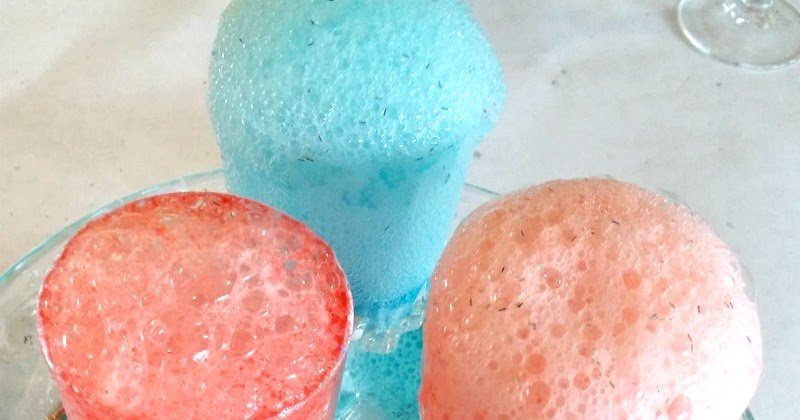
- Fizz rises through the liquid. Tiny pockets of gas break free.
- Foam can appear in the mix.
Trapped air might give it a bubbly jelly texture when the mixture hardens too fast. Sometimes the result feels light but holds its shape like foam caught mid-snap.
3. Jello Baking Soda and Vinegar Classic Science Mix
If vinegar is added to Jello and baking soda:
- Faster shifts happen when acids meet bases more intensely.
- Fizzing bursts out fast when carbon dioxide escapes. Gas rushes upward in a sudden stream.
- Bubbles might rise, then spread out slowly. Sometimes they grow larger before vanishing entirely.
This experiment demonstrates:
- Gas formation
- Reaction rates
Bubbles breaking through can wreck how the gel holds together. That mess means it won’t firm up right.
The Chemistry of How Things Interact
Focusing on chemistry helps make things clearer.
Step-1: Dissolving Gelatin
Molten warmth pulls gelatin proteins open, strand by fragile strand. Into the water they go, untwisting gently – each filament finding its way like frayed string giving way. Each piece moves freely once held tightly by coolness. Warmth opens what cold had knotted tightly together.
Step 2: Add Baking Soda
NaHCO₃ separates into:
- Sodium ions (Na⁺)
- Bicarbonate ions (HCO₃⁻)
Step 3: Reaction With Acid If Present
HCO₃⁻ +H⁺ →H₂O + CO₂
This produces:
- Water
- Carbon dioxide gas
- A type of salt forms – this varies based on the specific acid involved
Step 4: Effect of Process on Gel Formation
Higher pH changes:
- Protein charge distribution
- Gel strength
Baking too much soda stops the gel from setting well because it disrupts the structure buildup.
Effects on Flavor
Bitterness lingers when baking soda hits the tongue. It tilts away from sour, pushing into sharp, soapy notes instead.
Too much causes issues. Excess leads to problems. Adding extra creates trouble. Overdoing it brings complications. More than needed results in difficulty
- Bitter notes can sneak into the taste of the sweet dish. Sometimes a sharp edge cuts through what should feel smooth. A surprise lingers past the first bite. Not all sweetness stays soft. The finish carries a twist that isn’t sugar.
- For certain folks, there’s an odd flavor lingering behind, almost soapy in nature
- Fruit flavors may be dull.
Baking soda could mellow sharp flavors by balancing out sour components. When used lightly, acidity drops as the mixture calms down. A pinch shifts pH enough to soften the bite. With just a little, tang fades into smoother notes.
Used in science experiments
People occasionally mix Jello with baking soda for certain purposes
- Elementary school chemistry demonstrations
- Acid-base reaction lessons
- Volcanic models (with food coloring)
Bubbles show up clearly since Jello lets light through. That clarity turns it into a useful aid for showing how things work visually.
Can You Make Carbonated Jello?
Folks sometimes try mixing fizzy water into their jelly mix just to see what happens
By adding carbonated beverages (like soda) to the Jello mix:
- Fizz can come from CO₂ when it dissolves.
- Few bubbles stay when warmth spreads through the fluid.
Foam forms when baking soda meets sour gelatin, holding gas for a bit before hardening into something light. Bubbles stay put until the mix firms up, leaving behind a soft, airy result.
Like cooking foams, though harder to manage.
How pH Affects Gelatin?
A splash of charge comes from amino acid arms inside gelatin’s protein chains. Side groups carry electrical hints along the molecule’s backbone.
When pH changes:
- When conditions shift, the charge of amino acids shifts too.
- Pushes or pulls from static charges change direction.
- Protein network stability changes.
At high pH:
- Negative charges increase.
- Far apart they stay, pushed by unseen forces between them.
- The gel structure weakens.
At low pH:
- Too many hydrogen ions can cause trouble, too. Sometimes they disrupt things without warning. Their presence might change how reactions behave. Not always obvious at first glance.
So gelatin performs most effectively when the acidity level stays somewhere in the middle.
Culinary Applications
Now and then, a few cooks try things like:
- Alkaline gels
- Aerated desserts
- Chemical gastronomy techniques
But, baking soda is rarely used in gelatin desserts as :
- It affects taste.
- It reduces clarity.
- The texture might fall apart because of it.
Cleaning and Other Non-Food Applications
Baking soda is used to:
- Scrub surfaces
- Neutralize acidic spills
Though jelly isn’t a cleaner, factories apply its base – gelatin – in various processes
- Pharmaceuticals
- Capsules
- Photography (historically)
Industrial and Scientific Importance
Gelatin is used in:
- Microbiology culture media
- Drug delivery systems
Sodium bicarbonate is used in:
- Medical antacids
- Chemical buffering systems
How they work together shows basic ideas about:
- Acid-base reactions
- Gas evolution
- Food science
Why Does This Mix Matter?
Jello and baking soda together illustrate:
1. How pH affects proteins
2. How acid-base reactions produce gas
3. How chemical reactions influence food texture
4. The connection between chemistry and cooking
Few settings fit learning so well. Their design works quietly behind the scenes, letting ideas stand out without fuss.
Conclusion
Mixing Jello with baking soda reveals hidden links between common kitchen items and basic science. A wobble here – gelatin forms a fragile web giving Jello its bounce – yet a pinch of baking soda shifts everything quietly. That shift begins not with drama but with a slow fizz, where alkaline powder nudges acidity levels off balance. Structure trembles when bubbles form inside the jiggle, warping shape without loud notice. Not often used together, true – still, this quiet clash teaches more than expected about what happens under heat or pressure. Chemistry hides in spoonfuls, not textbooks, showing change through tilt rather than force.
Faqs
1. What is Jello made of?
A: Wiggly treats like Jell-O usually contain gelatin along with sugar or substitutes, plus tastes and colors you can see. When warm water breaks it down, then cold sets it, the stuff from animal collagen turns solid.
2. Does baking soda prevent Jello from setting?
A: Too much can cause issues. Slight acidity helps gelatin firm up properly. When things turn too alkaline, proteins struggle to link. That might leave you with a wobbly or runny outcome.
3. What makes mixing Jello and baking soda stand out in how we study foods?
A: Sometimes small things show big changes when put together. From tiny shifts in taste to changes you can feel comes the way ingredients react when mixed. What happens on a plate ties back to molecules shifting under heat or acidity. Proteins twist and tighten while acids balance what we sense on our tongue. Every bite holds traces of silent chemical dances shaping softness, sharpness, and structure.
4. Why does pH affect gelatin structure?
A: When pH shifts, the charge on gelatin proteins changes. Because of that, their ability to link through hydrogen bonds and electrical forces drops. Without strong connections, gels may not set well. This shift might break the structure before it forms.