




Coffee turned solid through sugar and something like gelatin or agar. In places such as Japan and the Philippines, people reach for this when they want cold sweetness after meals or inside drinks. The taste hits deep, full of coffee strength, yet feels slick on the tongue before dissolving quietly. Some eat it bare; others pour cream over, add milk, heap whipped foam, or even pair it with frozen scoops. Each bite gives way without resistance, cool throughout. Not crunchy, never stiff – it simply folds under pressure. Baking this treat takes little effort, yet delivers big flavor. When warm weather hits, people grab it for its chill – though fans of coffee sip it just as often when snow falls. Taste decides what path to follow: bold intensity might win one day, while another leans toward smooth sweetness instead.
What Is Coffee Jelly?
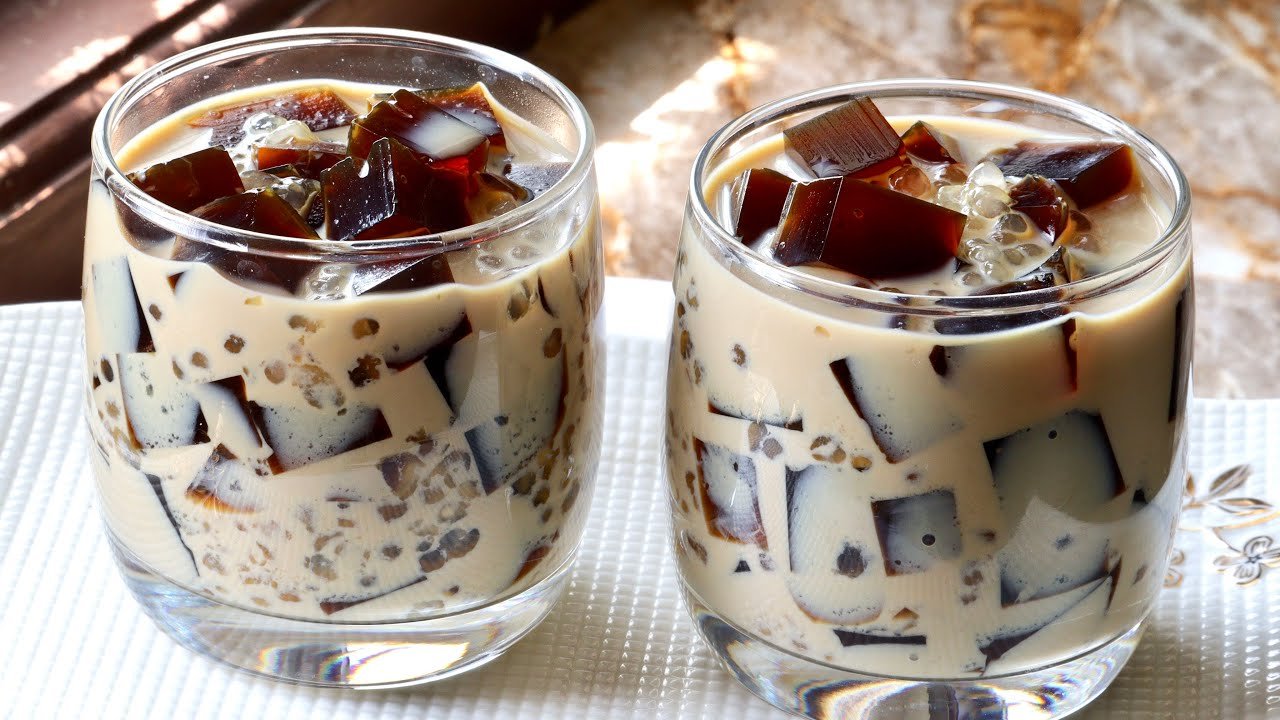
Once chilled, the mix turns bouncy and holds its form. Cubes sit snug inside clear glasses before liquid covers them. The deep brown blocks wobble slightly as they settle.
The dessert has a balanced taste:
- Slight bitterness from coffee
- Sweetness from sugar
- Creaminess from milk or cream
- Soft and silky texture
Ingredients Required
Simple Coffee Jelly Ingredients
- 2 cups strong brewed coffee
- Start with two spoons of sugar, sometimes a third if it feels right. A little sweetness goes in, depending on what the moment needs
- 1 tablespoon gelatin powder
or
- 1 teaspoon agar-agar powder
- Two spoonfuls of slightly heated liquid go here when waking up powdered gelatin. Water temperature matters – too hot ruins it, too cold does nothing. This step prepares the thickener before mixing it into liquids
Optional Ingredients
- Condensed milk
- Vanilla ice cream
- Coffee liqueur
- Brown sugar
Choosing the Right Coffee
Chilling dulls the taste, so a strong brew works better. What kind of coffee you pick shapes how the jelly tastes most.
You can use:
- Instant coffee
- Filter coffee
- Espresso
- Chilled brew focus
Gelatin vs Agar-Agar
Gelatin
Softness comes through when gelatin turns liquid into a wobble. Mouthfeel shifts fast as it dissolves without effort. Desserts often rely on this shift for their finish.
Advantages:
- Soft texture
- Easy to use
- Rich mouthfeel
Disadvantages:
- Not vegetarian
Agar-Agar
From seaweed to agar-agar, which functions effectively for vegetarians. It skips animal products entirely while holding its form like gelatin does.
Advantages:
- Vegetarian
- Even when it gets hot outside, hold strong without slipping. Stays put through summer days like a quiet promise kept
Disadvantages:
- Slightly firmer texture
Step-by-Step Coffee Jelly Recipe:
Step 1: Prepare the coffee
- Start with two cups of coffee. When instant is your pick, combine the powder first
- 2 cups hot water
Two spoonfuls of quick-dissolve coffee mix.
Since cold dulls tastes, a richer note now means balance later. Sip slowly – this version needs more depth than what you’d drink warm. The chill will mute sharp edges, so sweetness must stand out ahead of time.
Step 2: Prepare the gelatin
For gelatin:
- A pinch of powdered gelatin goes into an empty little bowl. Small amounts work best here.
- Add warm water.
- Wait five full minutes before moving on.
Blooming – that’s what this step goes by. Gelatin slips into solution much more easily because of it.
If using agar-agar:
- Stir it into steaming coffee, then let it simmer a moment or two. Boil slowly after blending well at first. Heat while mixing until just right – no longer. Watch closely once bubbles appear. A minute might do, maybe slightly more.
Step 3: Mix All Ingredients
- It disappears fully as you keep stirring. The liquid takes on a smooth texture after a minute of steady movement.
Make sure:
- No lumps remain
- Sugar dissolves fully
- The mixture becomes smooth
- Burning the gelatin changes how it holds together later. Too much heat messes with its power to firm up properly.
Step 4: Pour Into Mold
- Slide the mix inside
- Glass containers
- Bowls
Step 5: Refrigerate
- Freeze it for 3 to 5 hours
- Freezing changes how things taste later. Cold storage ruins softness every time.
How to Serve Coffee Jelly?
Coffee jelly might sit in a bowl, rest beside cream, or even float through cold milk slowly. A spoon cuts it softly, each cube slipping quietly into flavor pools underneath.
1. With Milk
A spoonful of chill slips into every sip here. Cream swirls through cold waves, turning sweet without weight. Smoothness spreads slowly across the tongue. Each mouthful feels light, yet rich in its own quiet way.
2. With Cream
A splash of fresh cream brings depth – whipped works just as well. Creaminess shifts the flavor when added right at the end.
3. With Ice Cream
Some find cold vanilla scoops soften sharp coffee notes. Bitter bits meet creamy layers, each bite smoothing the last. A quiet mix where sugar checks intensity without hiding it.
4. In Drinks
Coffee jelly cubes can be added to:
- Iced coffee
- Milk tea
- Bubble tea
- Frappes
5. Layered Dessert
Layer coffee jelly with:
- Custard
- Cheesecake
How to make perfect jelly coffee?
Use Strong Coffee
Weak coffee makes bland jelly.
Brewing it a bit longer brings out more taste once cold.
Dissolve Gelatin Properly
Lumps show up when gelatin does not fully dissolve.
Blooming comes first, then dissolving follows without delay. Full presence happens when both move together, one after another.
Adjust Sweetness Carefully
Frozen treats often seem less sugary compared to when they’re heated up.
A touch more sugar in the brew shifts the taste just right.
Chill Completely
Chilling it just enough leaves the texture loose. A proper cool sets firmness right.
Give it plenty of time inside the fridge.
Cut Clean Cubes
A clean blade warmed in hot liquid slices through wobbly gelatin without sticking. Smooth cuts happen when the metal stays heated between passes. Each section lifts easily after scoring the surface gently. Warm steel glides better than cold against soft layers. Precision comes from steady hands and a refreshed edge each time.
Nutritional Information
Each portion holds about how many calories
- Plain coffee jelly: 40–70 calories
- With cream or ice cream: 120–250 calories
It also contains:
- Small caffeine amount
- Minimal fat without cream
- Very little protein
Baked goods shift in nourishment based on what’s piled on top, plus just how much sweetness gets stirred in.
Is Coffee Jelly Healthy?
Coffee jelly might surprise you – less heavy than cake, nowhere near as rich as deep-fried treats. A quiet shift toward something simpler shows up here. Not demanding attention, it sits between bold flavors and airy textures. Weight matters less when sweetness doesn’t shout. This one breathes easier on the plate.
Possible benefits:
- Lower-calorie dessert
- Refreshing after meals
- Some versions use only a little sweetener instead
Common mistakes when making coffee jelly
1. Jelly Not Setting
Possible reasons:
- Too little gelatin
- Gelatin did not dissolve properly
- Too much liquid
2. Rubbery Texture
- When there is extra gelatin, the jelly turns stiff like a toy eraser.
- Use correct measurements.
3. Cloudy Jelly
- Mixing too fast or working at high heat can change how it looks. Appearance might shift if the temperature climbs too much during blending.
- Slow movement stops the jelly from lumping. A soft swirl keeps things even. Not rushing lets it stay silky. Moving it just enough holds the texture right.
Storage Instructions
Cooling keeps coffee jelly fresh longer. Inside the fridge works best for holding its texture. A sealed container helps it stay clean. Chilling slows down spoilage. Temperature matters when saving leftovers. Cold stops unwanted changes. Refrigeration protects flavor over time.
Best consumed within:
- Between three and four days
- Wrap it well so fridge smells do not get in.
- Stay out of warm spots too long.
People enjoy coffee jelly
Coffee jelly is popular because it adds:
- Coffee flavor
- Light dessert texture
- Cooling effect
- Easy preparation
Some find delight in how light it tastes compared to richer sweets. The slight jiggle surprises at first bite, while espresso’s sharpness plays off sugar-laced topping.
Customization comes easy here. Shape it how you want, because options open up once you start adjusting things behind the scenes
- Sweet
- Strong
- Creamy
- Vegan
- Fancy
- Simple
Easy Fast Recipe Option
For speed, go this way
1. Mix:
- 2 cups hot coffee
- 2 tablespoons sugar
- 1 tablespoon gelatin
2. Stir until dissolved.
3. Pour into the container.
4. Leave it in the cold part of the kitchen for a while. Four hours should do.
5. Chunks work well when poured over milk.
6. Cubes land gently on the surface.
Conclusion
Some people find joy in simple things – coffee jelly counts among them. Smooth on the tongue, deep with coffee taste, cold enough to wake your senses. It sits well beside milk, even better next to a scoop of vanilla. Bitter notes linger just long enough before sugar steps in. Not too fancy, never boring, always cool when the air feels heavy. Home-made coffee jelly opens doors to endless tweaks, perfect for those who like changing up tastes now and then. New cooks find it simple, while flavor fans get room to play around. Anytime cravings hit, a café-like treat waits within reach.
FAQs
1. What does coffee jelly taste like?
A: Some people find coffee jelly tastes like dessert meets espresso – gentle bitterness mixed with sugar, held together by a wobbly bite. Served alongside milk, its edges soften, turning silky on the tongue. Ice cream drapes it in richness, shifting each mouthful into something slower, cooler.
2. Is it possible to prepare coffee jelly using something other than gelatin?
A: Plant origins make agar-agar an option for those avoiding animal products. The switch works just fine when replacing gelatin. Firmness tends to increase a bit with this substitute. Texture shifts are noticeable but subtle.
3. What’s the usual wait for coffee jelly to firm up?
A: Most times, coffee jelly needs close to three to five hours sitting cold inside the fridge before it firms fully. Bigger bowls? Those often ask for a bit longer to reach that wobble-free finish.
4. Can children eat coffee jelly?
A: Coffee jelly might be okay in tiny portions, yet it holds caffeine. Decaf brew makes a smarter pick when serving children.
5. How should coffee jelly be served?
A: Coffee jelly might sit quietly on its own, yet sometimes it wears a coat of cream. Milk drizzles in now and then, while condensed sweetness pools beside it. Whipped air floats on top when things feel light. Vanilla ice cream melts close by, slow and steady. Drinks chilled through often carry bits on their surface. Topped it may be, bobbing in cold glasses where flavors drift.
6. What could have gone wrong if your coffee jelly didn’t firm up as it should?
A: Wrong amounts of gelatin might stop coffee jelly from firming up. Sometimes it fails when agar-agar isn’t mixed well into the hot liquid. Using too much water changes how it solidifies later. Poorly dissolved leaves form clumps that ruin the texture.