



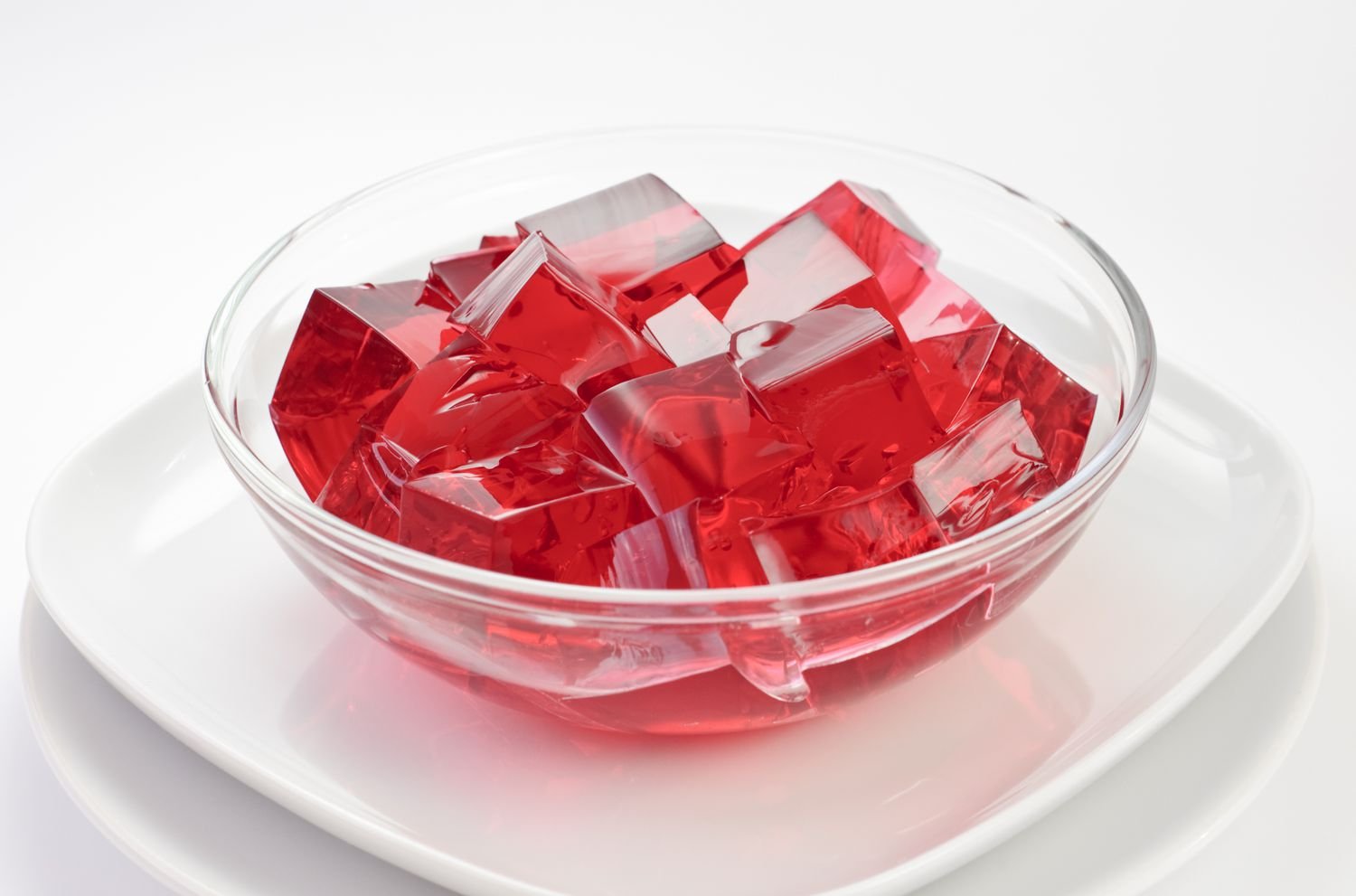

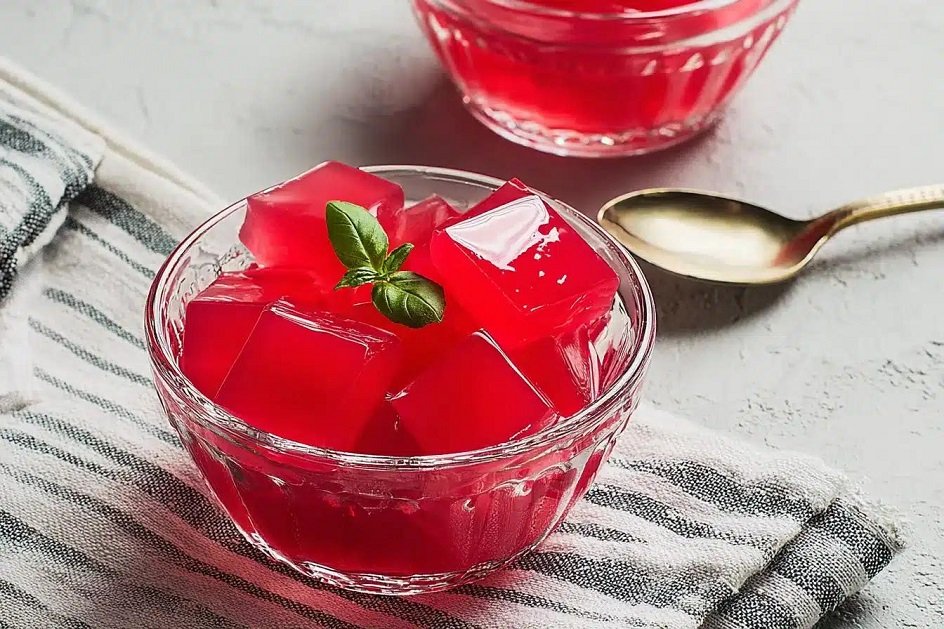
Midway through a weight loss journey, hunger pangs often sneak up when least wanted. Not every meal fails due to poor choices – sometimes it’s the after-dinner treats that pile on unseen numbers. Instead of skipping sweets entirely, swapping them out might work better. A chilled bowl of gelatin without added sugar brings taste without tipping the scale. Take brands like Jell-O’s no-sugar version – one serving delivers rich flavor with barely any energy at all. Sure, Jello won’t melt away fat like some miracle cure. Still, it might help keep hunger in check if you choose smart moments to eat it. Portion size tends to stay small without much effort. Fewer calories often follow from that shift alone. This plan shows ways to add it without leaning too hard on sugar versions. Balance matters most, even with light desserts. How it fits depends on what else fills your plate.
Jello May Support Weight Management
Starting, knowing how jello plays a role in managing weight matters more than you might think. Not every dessert works this way – yet here it does, quietly making space for better choices down the line.
1. very few calories
Sugar-free Jello typically contains:
- 5–10 calories per serving
- 0g fat
- 0g sugar (uses artificial or alternative sweeteners)
2. Helps Control Cravings
Cravings for sweets trip up plenty of folks trying to shed pounds. That’s where Jello sometimes comes into play
- Craves a little sugar? This fits just right. Sweetness shows up without warning. A small joy appears when least expected. Sugar fills the moment, nothing more
- Heavy on fullness, light on energy intake
- Takes time to eat, increasing satiety
3. Portion Control
Pieces split ahead of time sit clearer in your mind when you’re checking amounts. Knowing each bit helps skip the urge to take more later on.
4. Hydration Support
Built largely from water, jello helps keep the body hydrated – curbing false cravings that mimic hunger. Hydration plays a quiet role here, quietly dialing down urges mistaken for appetite.
Simple Sugar-Free Jello For Weight Management
This version works best when losing weight. Simplest way around.
Ingredients
- A single small packet holds about 8 grams of gelatin without added sugar – flavor is your choice. One container gives enough for basic prep. Size stays light, just under a tenth of a pound. Each portion works for one standard recipe setup
- One portion of hot liquid is at its highest temperature.
- 1 cup cold water
Equipment
- Medium mixing bowl
- Whisk or spoon
- Measuring cups
- A cup just right for the fridge works fine. Or go with a single container that fits inside easily
Instructions
1. Boil Water
Begin by adding a cup of water to an intense boil.
2. Disperse Gelatin
A consistent flow of hot water moves into the bowl. Into that heat goes the gelatin, sprinkled slowly. Stirring keeps it moving – never stopping – for two or three full turns of the clock. The mix clears only when every bit has melted away.
3. Add Cold Water
Begin by mixing in one cup of chilled water slowly.
4. Pour into Containers
Filling little jars works too, or dividing servings in tiny bowls.
5. Refrigerate
Wait a few hours – two or more – till it firms up completely.
6. Serve Cold
Nutritional Information Per Serving
Most often, though, it can differ a bit depending on the maker:
- Calories: 5–10
- Carbohydrates: 0–1g
- Sugar: 0g
- Protein: 1g
- Fat: 0g
Built for fewer calories, this fits right into a lighter treat between meals.
High-Protein Jello That Helps With Fat Loss
Jello on its own won’t keep you full long – it skips out on protein and fiber. Yet adding a few smarter ingredients can shift how well it satisfies hunger. Instead of just sugar and gelatin, mixing in Greek yogurt brings more heft. That small swap also helps protect muscle when cutting calories. The result feels familiar but works harder in your body.
Ingredients
- 1 box sugar-free gelatin
- Begin by mixing two hundred forty milliliters of hot water in a cup. The warmth rises fast when you transfer it slowly. That amount fits just right without spilling over. Heat stays strong if handled quickly. A steady hand keeps things clean during the move.
- A small amount of cold drink fills the bottom part of the glass. Motionless droplets rest there, waiting without moving
- One serving stands at half a cup of nonfat, plain Greek yogurt.
Instructions
Break apart the mix while warming, so every bit of powder gets pulled into the wet. The moment warmth spreads, stir steadily till nothing lumps remains. As the temperature rises, shift the utensil in circles, letting every bit soak into the liquid. Once heat takes hold, guide the spoon without stopping until smoothness shows. With rising warmth, push the blend around, breaking clumps before they settle.
1. Add cold water.
2. Wait a moment for it to lose some heat – just enough, though not fully firm.
3. Start by stirring in the Greek yogurt, mixing till it turns even.
4. Refrigerate 3–4 hours.
Why This Version Improves
- Each portion delivers between eight and twelve grams of protein
- Increases fullness
- Supports muscle preservation during calorie deficit
Still, a bit more energy comes in – roughly 40 to 60 per portion – yet fullness tends to follow, so snacking less becomes natural afterward.
Collagen-Infused Jello Helps Manage Hunger
You can also enhance jello with unflavored collagen peptides.
Ingredients
- 1 box sugar-free gelatin
- One cup of very hot water poured right after it boils
- One cup of chilled water
- 1 scoop unflavored collagen powder
Benefits
- Adds 8–10g protein
- Healthy skin thrives when nourished deeply. Joints move more easily with consistent care over time. Connective tissue stays strong through daily support from within
- May increase satiety
Cold brew? Not ideal – but heat opens collagen up, lets it blend right in. Water warms, molecules loosen, the powder vanishes without a trace.
Fiber Supports Weight Loss
Fullness gets a boost when fiber joins jello, which naturally has none.
1. Chia Seeds
Stirring the jello? That’s when you slip in a scoop of chia seeds just before chilling. Slowly, each one drinks up the surrounding liquid, swelling little by little. A gentle thickness spreads, changing how the whole blend feels. The result? Something closer to a creamy dessert than regular gelatin ever gets.
Benefits:
- Adds 5g fiber
- Improves digestion
- Slows hunger return
2. Psyllium Husk Small Amount
Half a teaspoon goes in before cooling. Too much will alter the consistency, so go easy. Chilling comes after that small addition. The mix turns out different if you overdo it.
Using Jello for Weight Management
When placed just right, Jello does its job well – never meant to stand in for real food.
1. Evening Snack Swap
In place of:
- Ice cream
- Chocolate bars
- Pastries
Use:
1–2 cups of sugar-free jello
Each day might see a drop of between three hundred and five hundred calories.
2. Volume Eating Strategy
Starting with a low-calorie plan? Jello adds bulk to your meals while keeping energy intake light. Not big in size, yet goes farther at feeding hunger compared to many sweets. Fills the dish so fully that craving between meals sometimes fades. Not every treat needs sugar when texture does the work. With just a few bites, hunger steps back quietly.
3. Pre-Diet Transition Tool
Starting with sugary treats every time? Jello shifts your taste toward less sweet options slowly. One bite at a time, it changes what feels normal on the tongue. Sweetness fades into the background. Your cravings adjust without force. A small step, but noticeable after weeks. Taste evolves when given room to change.
What to Avoid
Still, using jello for weight control won’t work if common errors get in the way.
1. Whipped Cream or Sugar Added
Focusing there gets it completely wrong
2. Overeating Multiple Boxes
Though they add almost no energy, too many lab-made sugar substitutes can:
- Increase cravings in some individuals
- Cause bloating
- Balance is essential.
3. Replacing Real Meals
Jello lacks:
- Essential fats
- Vitamins
- Minerals
- Adequate protein (unless enhanced)
A meal stays central; this just adds alongside.
A Sample Day Eating Jello to Lose Weight
Breakfast
- Scrambled eggs with vegetables
- Black coffee
Lunch
- Toasted chicken salad with olive oil spread
Snack
- Greek yogurt jello cup
Dinner
- Baked salmon
- Steamed broccoli
- Pseudocereap(mini serving)
Dessert
- Low-carb jello cup
This approach:
- Maintains protein intake
- Controls calories
- Baking with less sugar slashes the energy count in sweets big time
Does Jello Help with Losing Weight?
Let’s be realistic.
Pros:
- Very low-calorie
- Helps control sweet cravings
- Hydrating
- Easy to prepare
- Budget-friendly
Cons:
- Minimal nutrients
- Artificial sweeteners (for some brands)
- Falls short. Alone it leaves
Who Needs To Watch Out?
- People are sensitive to synthetic sweeteners
- People who have issues breaking down food
- Those prone to binge eating (sweet triggers)
Should artificial sweeteners make you hungrier, try preparing gelatin at home with real fruit juice instead – just know it’ll add some calories.
Plant-Based Thickening Option
Should you lean away from fake sugars:
Ingredients
- Two cups of juice without added sugar
- Two spoonfuls of clear powder mix go here instead of flavor. That kind sits ready without any scent waiting nearby
Instructions
1. Warm 1 cup of juice.
2. First thing, toss in a pinch of gelatin, keep swirling the spoon round and round. See how it slips away, smooth, leaving nothing behind but a clear mix.
3. Add remaining juice.
4. Chill until set.
Fewer calories than most sweets, though more than before – roughly 80 to 120 per portion, based on the drink used. Still less than what you’d get in typical treats.
Weight Loss Ideas with Jello
1. Sipping on something rich in protein helps you feel satisfied longer.
2. Try swapping your usual sweets with this instead.
3. Pre-portion servings.
4. Fridge space? Leave it out where you can see it.
5. Standing still with just this method invites trouble. Lean elsewhere, too. One path rarely holds up.
Conclusion
One way to lighten up a diet? Try sugar-free gelatin. Not only does it taste sweet, but it also brings almost no calories along. This helps when hunger for dessert strikes without wrecking daily limits. Still, losing weight isn’t about one food trick alone. It takes steady choices – what you eat most days, how much protein makes it onto your plate, moving regularly, and showing up even when motivation dips. Think of Jello as a small helper, not some magic fix or substitute for real meals. Now and again, when used with attention, staying on track can feel easier. It may soften the weight of good habits.
FAQs
1. Is regular (non-sugar-free) Jello good for weight loss?
A: The truth is, standard Jello packs extra sugar. That means around 70 to 80 calories in one go. Although that number isn’t huge, skipping it helps when cutting back on intake. Sugar-free versions do the job more quietly.
2. Does Jello Burn Belly Fat?
A: Start losing fat only if you eat fewer calories than your body uses. Nothing zaps stomach fat right away. Eating Jello might help cut daily calories down. It won’t pick out belly fat to melt. Lasting change needs consistent effort without shortcuts.
3. Can I eat Jello daily while trying to lose weight?
A: Sure, if kept small. One or two portions each day instead of sweets usually works. Yet skip using it in place of full meals since key things such as fiber, good fats, and vitamins are missing.
4. Does Jello help lower Cravings?
A: Most folks would say it works. The taste brings a sugary kick – so it tends to go down easy. Satisfy sugar cravings, provide volume for very few calories, and help prevent bingeing on high-calorie desserts. Yet cravings might rise for certain folks using fake sugars. Watch how your body reacts instead.