



Hot honey moved fast. One year, it was a niche condiment drizzled over specialty pizza. Next, it appeared on fried chicken sandwiches, roasted vegetables, charcuterie boards, and even cocktails. Trends usually burn out quickly. This one stayed.
The reason is not marketing alone. It is flavor balance. Sweetness softens heat. Heat sharpens sweetness. When done properly, the combination does not fight. It cooperates.
Understanding that balance is essential before attempting any hot honey recipe. Because when it goes wrong, it becomes either syrup with attitude or chili oil pretending to be dessert.
Why Hot Honey Works
Flavor science matters here.
Sweetness hits first. The brain registers comfort. Then the heat arrives gradually. Capsaicin activates pain receptors, but in controlled doses it stimulates pleasure responses. The contrast creates intensity without overwhelming the palate.
This layered experience explains why chefs began experimenting beyond simple drizzle applications.
Hot honey works particularly well with:
- Fried foods
- Fatty meats
- Sharp cheeses
- Roasted vegetables
- Buttery breads
Fat carries spice. Sweetness balances salt. Texture adds dimension.
It sounds technical, but in practice it feels simple. The right hot honey sauce recipe transforms an ordinary plate into something memorable without complicating preparation.
How to Make Hot Honey
The base formula is straightforward. The details matter.
Basic ingredients:
- Good quality honey
- Chili flakes or fresh chili
- Optional apple cider vinegar
- Pinch of salt
Steps:
- Warm honey gently over low heat.
- Add chili flakes.
- Simmer lightly for 5 to 10 minutes.
- Remove from heat and let steep.
- Strain if desired.
That is the foundation of how to make hot honey at home.
However, the real question is control. Heat intensity varies widely depending on chili type and steeping time. Too little and the result tastes flat. Too much sweetness disappears entirely.
Careful tasting during infusion helps maintain balance.
Choosing Ingredients Carefully
Not all honey behaves the same.
Mild clover honey produces a neutral base. Wildflower honey adds floral complexity. Darker honeys introduce molasses-like depth. That choice influences the final character of any hot honey recipe.
Chili selection matters equally.
- Red pepper flakes offer steady, predictable heat.
- Fresh jalapeño creates a greener flavor profile.
- Thai chilies deliver sharper intensity.
Professional kitchens often test small batches before scaling. Home cooks would benefit from the same patience.
Hot Honey Chicken
If one dish solidified this trend, it was hot honey chicken.
Fried chicken already carries salt, fat, and crunch. Drizzling hot honey over crispy skin introduces contrast. The heat cuts through grease. The sweetness enhances browning flavors.
Preparation approach:
- Season and fry chicken properly.
- Let excess oil drain fully.
- Drizzle warm, hot honey lightly, not heavily.
Excess sauce ruins texture. The goal is glaze, not saturation.
Some variations brush the honey on during the final minutes of baking instead of frying. That creates a sticky exterior with controlled caramelization.
The success of hot honey chicken lies in restraint. Too much sauce turns crisp skin soggy. Too little feels incomplete.
Building a Hot Honey Sauce Recipe
The basic infusion works, but sauce adaptations expand possibilities.
To build a thicker hot honey sauce recipe, consider:
- Adding a splash of apple cider vinegar for brightness
- Whisking in melted butter for richness
- Incorporating garlic for savory depth
This transforms hot honey from condiment to finishing sauce.
Used properly, it complements roasted Brussels sprouts, grilled salmon, or even baked sweet potatoes.
The flexibility explains its staying power. It adapts easily without losing identity.
Restaurant Influence
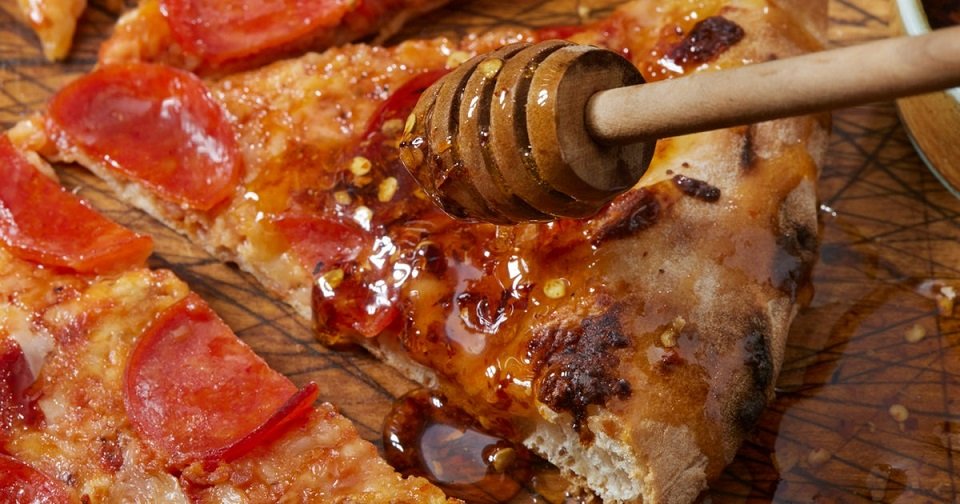
Many modern restaurants incorporate hot honey in small, deliberate ways. Drizzle on pizza crust. Brush on flatbread. Glaze on wings.
The appeal is operational efficiency. A single batch can enhance multiple dishes. No complicated prep required. That practicality often determines whether a food trend survives beyond social media.
It is worth noting that professional kitchens monitor sweetness levels carefully. Overly sweet sauces fatigue the palate quickly.
Balance remains central to every successful hot honey recipe.
Pairing Ideas
Hot honey works best when paired with contrast.
Effective combinations include:
- Goat cheese crostini
- Pepperoni pizza
- Fried halloumi
- Grilled shrimp skewers
- Cornbread
Each pairing benefits from the sweet heat dynamic.
For example, drizzling hot honey over sharp cheddar enhances complexity without masking flavor. The same principle applies when using it on roasted carrots. Heat offsets natural sugars.
A well-balanced hot honey sauce recipe should enhance, not dominate.
Controlling Heat Level
Managing spice intensity requires small adjustments.
If too spicy:
- Add more honey
- Reduce steep time
- Blend with neutral honey
If too mild:
- Extend steeping
- Add additional chili
- Use hotter pepper varieties
Learning how to make hot honey properly often involves trial batches. Precision improves with experience.
Storage and Shelf Life
Hot honey stores well if prepared correctly.
Guidelines:
- Use clean, sterilized jars
- Keep sealed tightly
- Store at room temperature
Because honey is naturally antimicrobial, shelf life remains stable for months when moisture contamination is avoided.
Refrigeration may cause crystallization, but it does not ruin the quality. Gentle warming restores consistency.
USDA confirms honey’s natural preservation, supporting room-temp stability [USDA].
Home Kitchen Adaptation
In home kitchens, simplicity encourages repetition.
A basic hot honey recipe requires less than fifteen minutes of active work. That accessibility contributes to widespread adoption.
Busy households appreciate condiments that elevate leftovers. Grilled chicken from the previous night becomes something new with a quick drizzle.
Hot honey does not require culinary training. It requires attention.
Nutritional Perspective
From a nutrition standpoint, hot honey remains a sugar-based condiment. Moderation is essential.
It offers no significant protein or fiber. Its role is enhancement, not foundation.
However, using hot honey strategically may reduce reliance on heavier sauces. A drizzle often replaces high-fat glazes.
Context determines impact.
Common Mistakes
Several predictable errors reduce quality.
- Overheating honey, which dulls flavor
- Boiling instead of gently warming
- Using low-quality chili powder
- Ignoring salt balance
- Overapplying sauce
Careful execution keeps the final hot honey chicken crisp and vibrant rather than sticky and cloying.
Beyond Chicken
While hot honey chicken receives attention, broader applications deserve recognition.
Consider:
- Drizzling over baked salmon
- Mixing into salad dressings
- Stirring into marinades
- Brushing onto grilled peaches
Each use emphasizes the sweet heat balance differently.
Trends fade when they lack versatility. Hot honey continues because it integrates easily across cuisines.
Frequently Asked Questions
1. How spicy should a hot honey recipe be?
Heat level should complement sweetness without overpowering dishes, allowing flavor balance to remain intact.
2. Can hot honey chicken be baked instead of fried?
Yes, baking works well and helps control fat content while maintaining flavor contrast.
3. How long does homemade hot honey last?
Properly stored hot honey may remain stable for several months at room temperature.
4. What is the best honey for a hot honey sauce recipe?
Mild clover honey offers neutrality, while darker varieties add deeper flavor notes.
5. Is learning how to make hot honey difficult?
The process is simple, but achieving perfect heat balance may require small adjustments.
6. Can hot honey be used in desserts?
Yes, it pairs well with vanilla ice cream, biscuits, and even certain fruit-based desserts.
7. Does hot honey contain preservatives?
Homemade versions typically do not, relying on honey’s natural antimicrobial properties.
8. Is hot honey healthy?
It is still sugar-based, so moderation is recommended despite natural ingredients.
Closing Reflection
Food trends often depend on novelty. This one depends on balance. Sweetness meets heat in a way that feels bold but approachable.
Understanding how to make hot honey correctly ensures control rather than chaos. A thoughtful hot honey recipe respects both sweetness and spice. A balanced hot honey sauce recipe enhances dishes instead of masking them. And properly executed hot honey chicken demonstrates why this pairing resonated so quickly.
Disclaimer
This article is for informational and culinary guidance purposes only. Individual dietary needs, allergies, and health conditions vary. Consult a qualified healthcare or nutrition professional before making significant dietary changes.