



Still, new findings show it might not just be the quantity that counts. Depending on the kind, some fruits and veggies offer extra advantages. Hidden inside certain plants are substances known as flavanols – these appear to support blood vessel function. Scientists now see gaps: reaching daily targets does not always mean getting enough of these specific components.
What Are Flavanols?
Most plants carry hidden helpers called flavanols. Not just any nutrient, these sit within a broader group named flavonoids. Fruits toss them into your diet. So do greens. Tea slips them in quietly. Cocoa delivers a share too. Beans hold on to their portion. What do they fight back against daily cellular harm? Oxidative stress tries its hand – flavanols push it away. Inflammation creeps close – they stand firm. Both threats tie tightly to heart troubles. Yet here, quiet defense unfolds.
Flavanols aren’t like vitamins or minerals – they’re different kinds of active substances found in plants. These substances tweak bodily processes without being required for survival. Lately, scientists have paid closer attention due to effects on blood vessel health. Better flow through arteries has made them stand out in recent studies.
Why Are Flavanols Important for Heart Health
Most deaths around the world still come from heart problems. Research shows flavanols can reduce the chance of heart issues by working in multiple ways
1. Healthier blood vessels
Most people do not realize how flavanols can support blood vessel linings. Inside every artery and vein lies a delicate layer – when it works well, vessels open up smoothly. Instead of staying stiff, they respond easily to the body’s needs. Thanks to flavanols, more nitric oxide becomes available, which helps this process along. This small molecule makes space for better movement of blood through the system.
2. Reduced Inflammation
Over time, ongoing swelling inside the body plays a part in hardening of the arteries, where gunk gathers along artery walls.
3. Defense From Oxidation Damage
Out of balance, the body sometimes lets reactive particles wreck cell walls. These tiny attackers? They speed up wear on arteries along with older-looking skin. From cocoa and tea, plant helpers step in – calming chaos by soaking up troublemakers before harm spreads. Vessels stay flexible because shield-like compounds take hits instead.
4. Better Blood Pressure Control
Some research points to flavanol-filled foods supporting steady blood pressure. Blood vessels work more smoothly when they stay flexible, which happens alongside increased nitric oxide. This shift helps manage how blood moves through the body. Pressure stays balanced as a result.
The Science Underlying The News
Most folks aren’t getting enough flavanols, a new look at over thirty thousand people across the U.S. and U.K. shows. Though past research pointed to heart perks from these compounds, daily habits miss the mark. Following standard advice on eating fruits and veggies still isn’t quite enough. Levels stay low, even among those trying.
One study pointed to results from the big COSMOS project, showing people who got about 500 milligrams of flavanols each day faced lower chances of dying from heart problems – some reviews even saw a drop near 27%. While numbers varied, the pattern held across groups. Though exact mechanisms remain unclear, dietary sources seemed to play a role. Since measurements relied on biomarkers, accuracy improved compared to surveys. When outcomes were tracked over years, benefits appeared more pronounced. Yet differences between individuals still mattered. Because food intake affects levels, consistency in consumption may influence results.
Just because flavanols help doesn’t imply they fix everything or that popping pills is wise now. Yet these results do point toward choosing more foods naturally packed with flavanols – when balanced within a sensible diet.
Which Fruits and Vegetables Are Rich in Flavanols?
Fruits and veggies differ widely when it comes to flavanol levels. Certain kinds pack a much stronger dose, adding real value to what you get each day.
Top Flavanol-Rich Foods
- Plums
- Blackberries
- Cranberries
- Cherries
- Apples
- Strawberries
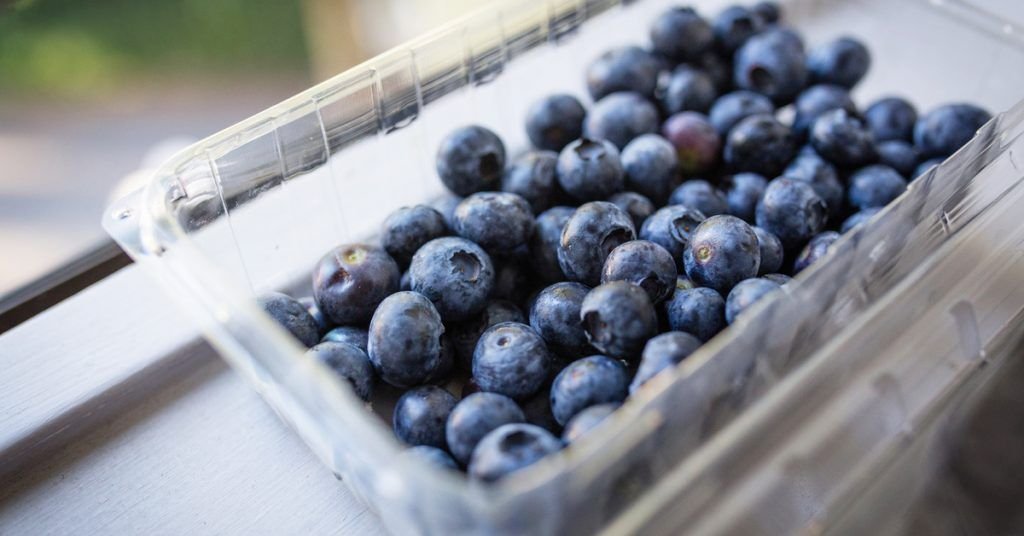
- Blueberries
- Green tea
- Black tea
- Broad beans
- Pinto beans
- Chocolate beans plus things made from them, barely changed after harvest
Berries top the list when it comes to fruit packed with nutrients. Apples come close behind since people everywhere can find them and add them to almost any meal without trouble. Green tea stands out within its category by delivering a solid dose of flavanols each time you brew a cup.
Why Quantity Alone Isn’t Enough
Most diet advice talks about how many fruit and veg portions we need daily. Even so, science now shows hitting five servings won’t always mean enough flavanols. What matters isn’t just quantity. Different foods bring different benefits. Some common choices deliver little of these helpful compounds. The type of produce plays a bigger role than total count.
Take berries. They pack way more flavanols compared to many other fruits. Swap one fruit for blackberries, and get a bigger boost. Even green tea pours in more than some whole fruits do. Mix it up often.
Practical Ways to Increase Flavanol Intake
Breakfast Ideas
- Blackberries fit right in as well.
- A piece of fruit sits on your plate when morning comes. Breakfast feels better with skin still on it.
- Besides adding flavor, tossing berries into yogurt brings texture. Smoothies gain color when mixed with these small fruits.
Snacks
- Try apples when hunger hits. Cherries work too, especially if they are fresh. Grapes show up well in small bowls or bags.
Meals
- Besides lentils, toss beans into stews. Inside a salad, they bring texture.
- A juicy apple satisfies when cookies might tempt. Berries pop with flavor unlike sugary treats. Nature gives sweetness without factory ingredients.
- Try grapes after dinner, skipping the chocolate. Fruit fills the gap where desserts usually crowd in.
Conclusion
Though diets might check the usual boxes, gaps remain if key compounds like flavanols fall short. Without sufficient levels from sources such as berries, apples, or dark greens, some advantages seen in trials could stay out of reach. Start anywhere. Think less about single nutrients. Instead, mix in things like berries, apples, plums, beans, or tea often. Build meals around plants, many kinds. These moves add up slowly. A stronger heart could follow. The risk of heart problems might drop too.
FAQs
1. What are flavanols?
A: Apples, berries, tea – these hold substances known as flavanols. These come from a group of plant-based chemicals called flavonoids. Cocoa beans also pack them in noticeable amounts. Protection kicks in when these compounds step into the bloodstream. Inflammation drops, cells stay safer. That shielding effect ties directly to lower risks for heart trouble.
2. How do flavanols benefit heart health?
A: Because flavanols help blood vessels work better, circulation gets a boost. Better flow through arteries happens when swelling goes down. Oxidative damage drops at the same time. Pressure inside veins stays more stable, thanks to these compounds. When those changes stick around, hearts tend to stay stronger. Fewer blockages show up in studies over time. Strokes become less common where diets include them often.
3. Could sipping tea boost your flavanol levels?
A: For sure, green tea plus black tea pack a strong dose of flavanols. One or two cups each day – hold the heavy sugar – does quite a bit for your total flavanol intake while giving your heart a quiet boost. Quiet mornings often start like this.
4. Can dark chocolate provide flavanols?
A: True, cocoa carries plenty of flavanols on its own, while dark chocolate – especially the kind packed with cocoa – holds more of these than milk-based versions. Still, since chocolate often brings along heavy loads of calories, sweetness, and fats, eating it needs balance.