






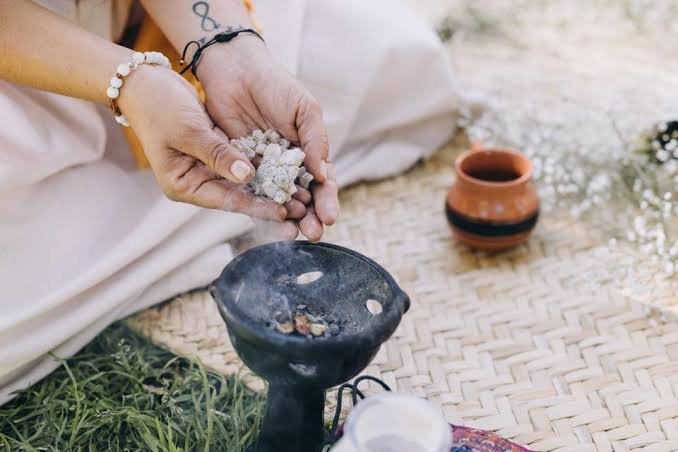
You know that feeling when you stumble across a wellness trend on social media and think, “Wait, didn’t my grandmother do something exactly like this?”
Actually, you might be onto something there.
There’s a fascinating pattern emerging in how we approach health today. The practices that seem trendy and new often have roots that stretch back thousands of years. And here’s the thing that makes this particularly interesting: modern science is increasingly validating what ancient cultures seemed to know all along.
What’s driving this return to ancient wisdom? Perhaps it’s the growing skepticism toward quick-fix solutions. Or maybe it’s the recognition that our modern lifestyle, for all its convenience, has created health problems that require more holistic approaches.
Whatever the reason, the integration of ancient health rituals into contemporary wellness culture represents something deeper than a fad. It suggests we’re collectively recognizing that some wisdom doesn’t expire.
What These Ancient Health Rituals Actually Are
Let’s be clear about what we’re discussing here. These aren’t mystical practices with no basis in reality. They’re systematic approaches to health that were developed through centuries of observation and refinement.
Take oil pulling, for instance. This Ayurvedic practice involves swishing oil in your mouth for several minutes each morning. It sounds peculiar to modern ears, but research published in the Journal of Traditional and Complementary Medicine suggests it may significantly reduce harmful bacteria in the mouth and improve gum health.
Or consider cupping therapy, which involves placing heated cups on the skin to create suction. While it looks alarming to the uninitiated, this practice appears in ancient Egyptian, Chinese, and Middle Eastern medical texts. Modern athletes swear by it for muscle recovery, and some studies suggest it may help reduce pain and inflammation.
These traditional wellness techniques aren’t about rejecting modern medicine. Rather, they represent complementary approaches that address aspects of health that conventional medicine sometimes overlooks.
The key distinction is that these rituals typically focus on prevention and maintaining balance rather than treating acute illness. They’re about creating conditions for health rather than fighting disease after it appears.
What Causes the Resurgence of Ancient Practices
Several factors explain why ancient healing methods are experiencing such a remarkable revival.
First, there’s the exhaustion factor. Modern life is relentless. We’re constantly connected, constantly stimulated, constantly demanded upon. Many people feel drained in ways that conventional medicine doesn’t fully address. Ancient practices often emphasize rest, reflection, and slowing down, which feels almost revolutionary in our current context.
Second, there’s the accessibility issue. Not everyone can afford cutting-edge medical treatments or has easy access to healthcare. Traditional practices often require minimal equipment and can be performed at home. This democratization of health management is appealing to many.
Third, there’s growing scientific evidence. As researchers apply rigorous methods to study these practices, they’re finding genuine physiological effects. Meditation changes brain structure. Certain herbs have measurable anti-inflammatory properties. Breathing techniques affect the nervous system.
Fourth, there’s cultural reconnection. Many people, particularly those from immigrant families, are rediscovering practices their grandparents knew. This isn’t just about health. It’s about identity and heritage.
Perhaps most significantly, there’s a growing recognition that the mind-body connection is real and powerful. Ancient health rituals almost always address this connection directly, something that Western medicine has historically been reluctant to acknowledge.
What Practicing These Rituals Actually Looks Like
Understanding these practices in theory is one thing. Experiencing them is quite another.
Consider the practice of forest bathing, which originated in Japan as shinrin yoku. This isn’t hiking or exercising in nature. It’s simply spending time in forested areas, engaging all your senses. Studies from Japanese universities have found that this practice can lower cortisol levels, reduce blood pressure, and boost immune function. The mechanism appears to involve breathing in phytoncides, airborne chemicals released by trees that have antimicrobial properties.
Or take the tradition of eating fermented foods. Every culture has its version. Korean kimchi, German sauerkraut, Indian dosa, Japanese miso. These foods are rich in probiotics that support gut health. Modern research has revealed that gut health influences everything from immunity to mood to cognitive function. What ancient cultures discovered through trial and error, science is now confirming.
Then there’s the practice of using adaptogenic herbs. Ashwagandha, holy basil, and ginseng have been used in various traditional healing practices for millennia. These herbs help the body adapt to stress, and contemporary research suggests they may actually modulate the stress response system.
The common thread across all these practices is that they work with the body’s natural systems rather than against them. They support rather than override. They encourage rather than force.
What the Evidence Actually Says
Let’s talk about what research really shows versus what wellness influencers claim.
The practices with the strongest evidence included:
Mindfulness meditation for stress reduction and anxiety management. Multiple meta-analyses have confirmed its effectiveness, with effect sizes comparable to those of antidepressant medications for mild to moderate depression.
Yoga for lower back pain and overall physical function. The American College of Physicians actually recommends yoga as a first-line treatment for chronic low back pain.
Acupuncture for certain types of pain, particularly osteoarthritis and migraine. The National Institutes of Health has funded extensive research in this area.
But here’s where it gets interesting. The evidence often supports the practices but not necessarily the traditional explanations for why they work. Acupuncture points may not correspond to energy meridians in any physically measurable way. But the treatment still produces measurable pain relief through mechanisms involving endorphin release and nervous system modulation.
This suggests something important. Ancient practitioners may have been wrong about the mechanism but right about the effect. Their observational wisdom, passed down through generations, identified interventions that work even if they couldn’t explain why.
How to Integrate These Practices Wisely
The most sensible approach is to treat ancient health rituals as additions to your existing health routine rather than replacements for evidence-based care.
Start small. You don’t need to overhaul your entire lifestyle overnight. Try incorporating one practice consistently for a few weeks and notice how you feel. Keep a simple journal. Pay attention to both subjective and objective changes.
Be discerning about sources. There’s a lot of misinformation in the wellness space. Look for practitioners with proper training and credentials. Seek out information from reputable institutions rather than influencers with something to sell.
Consider the cultural context. Some practices are embedded in specific cultural and spiritual traditions. Approaching them with respect and understanding, rather than treating them as consumer products, enriches the experience.
Perhaps most importantly, maintain a healthy skepticism. If something sounds too good to be true, it probably is. Ancient wisdom is valuable, but it’s not infallible. Our ancestors didn’t have access to modern scientific methods, and their understanding of the world was shaped by different frameworks.
When to Seek Professional Medical Attention
While ancient health rituals can support well-being, they’re not substitutes for medical care when you need it.
If you’re experiencing concerning symptoms, unexplained pain, persistent fatigue, or any significant changes in your health, see a doctor. Don’t rely on herbal remedies or traditional practices to address what might be a serious condition.
The most effective approach combines the strengths of both systems. Use modern medicine for diagnosis, acute care, and management of serious conditions. Use traditional practices for prevention, stress management, and supporting overall well-being.
This integrated approach acknowledges that different health challenges require different tools. Sometimes you need a scalpel. Sometimes you need meditation. Knowing which tool is appropriate for which situation is the real skill.
What Science Is Discovering About Ancient Wisdom
Research in this area continues to evolve, and the findings are often surprising.
For example, studies on the traditional practice of eating with awareness have revealed that how we eat matters as much as what we eat. The simple act of eating slowly and without distraction affects digestion, nutrient absorption, and satiety signals.
Research on circadian rhythms has validated traditional practices of eating during daylight hours and sleeping in darkness. Our bodies evolved with these patterns, and disrupting them has measurable health consequences.
Studies on social connection have confirmed what traditional cultures always knew. Isolation is harmful to health. Community is protective. The practices that bring people together, whether shared meals, group meditation, or communal ceremonies, have benefits that extend beyond the specific activity.
The emerging picture is that ancient health rituals often work because they address fundamental human needs that our modern lifestyle neglects: connection, meaning, rest, and alignment with natural rhythms.
Frequently Asked Questions
Can ancient health rituals replace conventional medical treatment?
No. These practices should complement, not replace, evidence-based medical care. They’re most effective for prevention, stress management, and supporting overall well-being. For acute conditions, serious symptoms, or chronic disease, professional medical attention remains essential.
Are there any risks associated with traditional wellness practices?
Yes. Some herbal remedies interact with medications. Certain physical practices can cause injury if performed incorrectly. Fasting or detox protocols can be dangerous for people with certain medical conditions. Always research thoroughly and consult healthcare providers when appropriate.
How long does it take to see benefits from these practices?
It varies widely. Some practices like deep breathing or meditation can produce immediate effects on stress levels. Others like dietary changes or herbal supplementation may take weeks or months to show noticeable benefits. Consistency matters more than intensity.
Which ancient health rituals have the strongest scientific support?
Mindfulness meditation for stress and anxiety, yoga for back pain and physical function, acupuncture for certain pain conditions, and fermented foods for gut health have particularly strong evidence. The research is most robust for practices that have been extensively studied in clinical settings.
Can I practice these rituals if I’m not from the culture that originated them?
Yes, but approach them with respect and understanding. Learn about the cultural context. Seek instruction from qualified practitioners. Avoid treating sacred practices as casual consumer trends. Cultural appreciation is different from cultural appropriation.
The Deeper Significance
There’s something genuinely meaningful about this return to ancient practices. It suggests we’re recognizing limitations in our current approach to health. We’ve made extraordinary progress in treating disease, but we’ve perhaps neglected the art of maintaining health.
Ancient health rituals remind us that health isn’t just the absence of disease. It’s a state of balance, connection, and vitality. It’s about how we live our daily lives, not just what treatments we receive when we’re sick.
Perhaps that’s why these practices persist. They address something fundamental about human experience that doesn’t change, even as our technology and knowledge advance. The need for calm in a chaotic world. The need for connection in an isolating culture. The need for meaning in a materialistic age.
The 20 ancient rituals that appear in modern wellness culture aren’t just historical curiosities. They’re living traditions that continue to serve human needs. And as we face new health challenges, from chronic stress to lifestyle diseases, these time-tested approaches offer resources we would be unwise to ignore.
The question isn’t whether ancient wisdom has value. The question is how we integrate it wisely with what we’ve learned since. That integration, done thoughtfully, might be the most powerful health practice of all.