






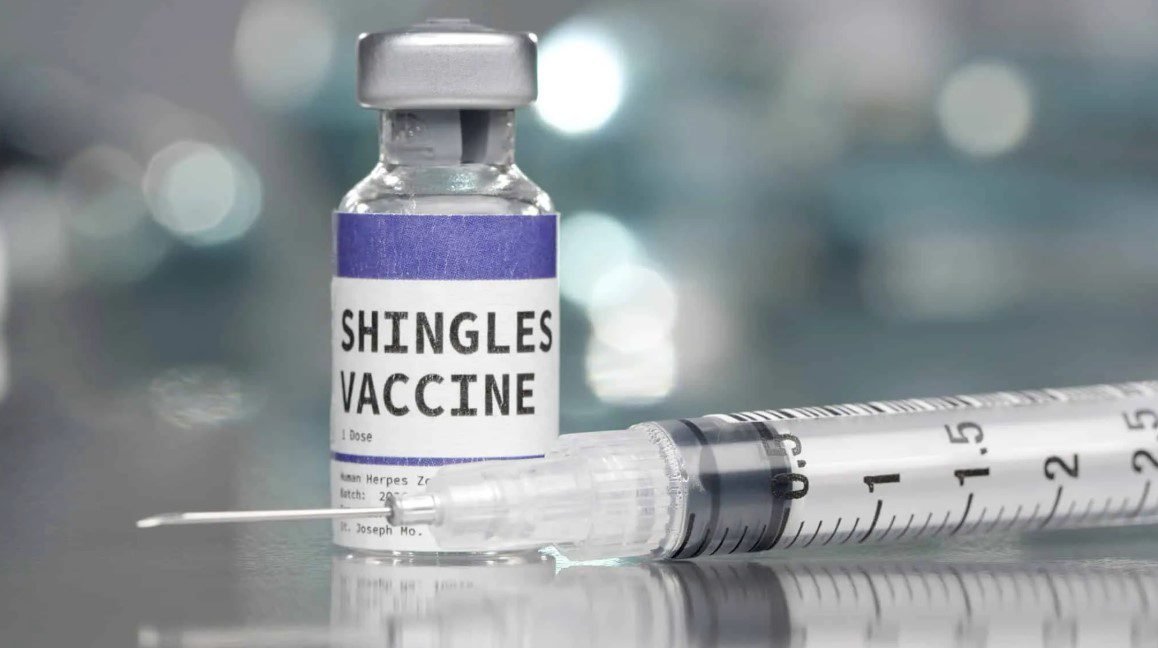
For adults over 50, dementia prevention usually means a long list of difficult, gradual decisions: controlling blood pressure, staying active, managing diabetes, avoiding smoking, protecting sleep and hearing, keeping socially and mentally engaged. Then came a rather unexpected possibility.
A shingles vaccine.
A large U.S. study published in June 2026 found that older adults who received the recombinant zoster vaccine, better known by the brand name Shingrix, had a substantially lower risk of being diagnosed with dementia during the following four years. The finding was large enough to attract attention because the study involved 509,926 Medicare beneficiaries, with an average age of about 79.
The headline number was striking: a 24% lower relative risk.
But there is a catch, and an important one. The study shows an association. It does not establish that Shingrix directly prevents dementia.
That distinction matters.
The 2026 Shingrix dementia finding, without the hype
The newest Shingrix dementia study was designed as a target-trial emulation using Medicare claims linked with nursing-facility electronic health records. Researchers looked at adults aged 66 and older who had recently entered a skilled nursing facility, had no diagnosed dementia, and were eligible for recombinant zoster vaccination.
Participants were followed for up to four years.
Among those who received at least one recombinant zoster vaccine dose within the specified period, the estimated four-year dementia risk was 18.8%, compared with 24.6% among those who did not receive the vaccine.
That translates to an absolute difference of 5.8 percentage points and a risk ratio of 0.76. In plain English, the vaccinated group had about three-quarters the observed dementia risk of the comparison group.
That is impressive.
It is also not the same as saying that 24 out of every 100 dementia cases were prevented by Shingrix. Relative risk and absolute risk describe different things, and observational research has additional limitations that a vaccine trial would not have.
One particularly important detail was buried beneath the headline: the researchers’ negative-control analyses suggested some residual confounding. The primary funding source was GlaxoSmithKline, the manufacturer of Shingrix.
So, does the shingles vaccine prevent dementia?
This is where the wording needs to become much more precise.
Does the shingles vaccine prevent dementia according to current evidence? Not yet proven.
What researchers can say is that recombinant zoster vaccination has been repeatedly associated with lower rates of subsequent dementia in large observational datasets.
That pattern is not coming from one paper alone.
A February 2026 Nature Communications study examined adults aged 65 and older in Kaiser Permanente Southern California who received two doses of recombinant zoster vaccine. It also found a lower risk of dementia among vaccinated participants. The researchers used matching and statistical weighting to try to account for differences between vaccinated and unvaccinated groups.
Another U.S. Medicare analysis, published in April 2026 in Alzheimer’s & Dementia, included more than 1.5 million people across the exposed and comparison groups. The researchers reported lower rates of new-onset dementia among people who received the recombinant zoster vaccine, including lower observed risks for Alzheimer’s disease and vascular dementia.
So the evidence is becoming more interesting.
It is not becoming conclusive.
Why would a shingles vaccine have anything to do with dementia?
To understand the question, you have to start with the virus.
Shingles occurs when varicella-zoster virus, the virus responsible for chickenpox, reactivates later in life after remaining dormant in the nervous system. Older age and immune changes increase the risk of reactivation.
Most cases cause the familiar painful, blistering rash. But herpes zoster is not always trivial. It can produce postherpetic neuralgia, vision or hearing complications and, rarely, inflammation of the brain called encephalitis.
That neurological connection is one reason researchers are interested in whether preventing VZV reactivation could have effects beyond preventing the rash.
There are several proposed explanations. Recurrent viral activity might influence inflammatory pathways. Severe infections can place physiological stress on an older brain. It is also possible that immune activation itself plays a role.
But these remain hypotheses.
A lower dementia diagnosis rate after vaccination could reflect biology. It could also partly reflect differences between people who get vaccinated and those who do not.
That is exactly why researchers are still cautious.
Dementia is not one disease with one cause
The word “dementia” describes a decline in memory, thinking, reasoning or other cognitive abilities that interferes with everyday life. It is not a normal consequence of getting older. Alzheimer’s disease is the most common form, while vascular dementia, Lewy body dementia and frontotemporal disorders are among other major types.
The underlying causes vary.
In Alzheimer’s disease, brain changes include abnormal amyloid plaques and tau tangles. Vascular dementia involves damage to blood vessels that disrupts blood and oxygen supply to brain tissue. Some people develop mixed pathology, meaning more than one disease process contributes to their symptoms.
That makes the Shingrix research especially intriguing. If vaccination eventually proves to have a protective neurological effect, it would not necessarily mean Shingrix is a treatment for Alzheimer’s disease. It could indicate that modifying an infectious or inflammatory exposure changes the probability of developing cognitive disease later.
Those are very different claims.
What symptoms should older adults actually watch for?
The vaccine research concerns future risk. It does not change how dementia is recognized clinically.
Early warning signs can include persistent memory problems, difficulty managing familiar tasks, impaired judgment, language problems, getting lost in familiar places, or repeating questions. Some forms of dementia present differently, with changes in behavior, attention, movement, or visual perception becoming more prominent.
A single forgotten name is not a diagnosis.
A sustained decline that interferes with ordinary functioning deserves evaluation.
How doctors diagnose dementia
There is no single test that can answer every dementia question.
A clinical evaluation generally begins with a medical and family history, discussion of changes in daily functioning, medication review, and cognitive testing. Doctors may also order laboratory tests to identify potentially reversible contributors, such as vitamin deficiencies or thyroid problems. Brain imaging can help identify strokes, tumors or other structural abnormalities. Depending on the situation, more specialized biomarker testing may be considered.
This matters when interpreting vaccine studies because researchers rely on recorded diagnoses and medical data. A research definition of dementia is not identical to sitting across from a clinician and working through an individual’s symptoms.
What treatment is involved if dementia is already present
Shingrix is not a dementia treatment.
Once dementia is diagnosed, management depends heavily on the underlying disease. Care may involve medications aimed at symptoms or disease processes, treatment of vascular risk factors, occupational and cognitive support, safety planning, management of sleep or behavioral problems, and practical assistance with daily activities.
Some causes of cognitive impairment that resemble dementia can be partly or completely treatable, which is another reason early medical assessment matters.
The vaccine question sits earlier in the timeline: prevention, not treatment.
The shingles vaccine dementia link is promising, but it is still a research question
The emerging shingles vaccine dementia link is now supported by several large observational studies, including analyses published in 2025 and 2026. A 2025 Optum analysis involving more than 4.5 million people found lower dementia incidence among fully vaccinated individuals, although observational findings of that kind remain vulnerable to confounding.
That consistency strengthens the case for further research.
Still, consistency is not causation.
For example, people who receive recommended vaccines may differ from unvaccinated people in healthcare access, preventive care behavior, frailty, chronic disease management, and other characteristics. Researchers can statistically adjust for many variables, but they cannot guarantee that every meaningful difference has been measured.
The 2026 Annals study itself acknowledged this concern.
What Shingrix is already proven to do
There is no need to wait for dementia research to understand the established value of Shingrix.
CDC recommends two doses of recombinant zoster vaccine for adults aged 50 and older, with the second dose generally given two to six months after the first. Adults aged 19 and older with weakened immune systems are also recommended to receive the two-dose series.
Shingrix is highly effective at preventing shingles and its major complication, postherpetic neuralgia. The established indication is protection against herpes zoster and related complications, not dementia prevention.
That distinction should stay front and center.
What should adults 50+ take away from the research?
The Shingrix dementia study does not justify getting vaccinated solely as an anti-dementia intervention.
It does, however, add an intriguing possible benefit to a vaccine that already has a well-established role in preventing shingles and postherpetic neuralgia.
For someone who is already eligible for Shingrix, the emerging dementia evidence may make the decision feel even more compelling. But the medical reason for vaccination today remains prevention of shingles and its complications.
Researchers now have a much more interesting question to answer: could protection against herpes zoster actually change long-term brain health?
That question is no longer based on a single surprising observation. Multiple large datasets are pointing in the same direction.
And yet, perhaps the most responsible conclusion is also the least sensational one.
The signal is strong enough to investigate seriously. It is not strong enough to rewrite dementia prevention guidelines.
FAQs
Can Shingrix be used to treat dementia?
No. Shingrix is a vaccine used to prevent shingles and related complications. It has not been established as a treatment for dementia or Alzheimer’s disease.
Is the 24% dementia reduction absolute or relative?
It is a relative risk measure. In the 2026 Annals study, the estimated four-year dementia risk was 18.8% among those receiving at least one recombinant zoster vaccine dose compared with 24.6% among those who did not, an absolute difference of 5.8 percentage points.
Does having had shingles increase dementia risk?
Some observational research has found an association between previous herpes zoster and dementia risk, but that does not prove shingles causes dementia. A 2025 study, for example, reported higher observed dementia risk among people with a previous shingles diagnosis.
Is Shingrix recommended specifically to prevent Alzheimer’s disease?
No. Current CDC recommendations are for prevention of shingles and related complications in eligible adults. Dementia prevention is not an official indication.
Can someone get Shingrix after already having shingles?
Yes. CDC recommends vaccination for eligible adults even if they have had shingles previously.
When should memory problems be medically evaluated?
Persistent changes in memory, reasoning, language, judgment, or the ability to manage ordinary activities should be discussed with a healthcare professional, particularly when the changes are progressive or interfere with daily life.