





The morning coffee problem has changed. It is no longer only about finding enough caffeine to function before the first meeting. Now there is another question: why pay $6 or $7 for a coffee with protein added when the same idea can be made in your own kitchen?
That question is helping drive the August 2026 protein coffee boom. Protein coffee has moved well beyond fitness forums and gym routines. Dunkin already launched Protein Milk nationwide in January 2026, allowing customers to add it to coffees and lattes, while its August 19 fall menu includes a Nutty Pumpkin Protein Latte. Starbucks now lists a Grande Vanilla Protein Latte with 27 grams of protein.
Why protein suddenly belongs in your coffee cup
The appeal is unusually practical. Coffee provides caffeine. Protein can make breakfast more substantial. Put the two together, and you get a drink that can fit into a rushed morning without requiring a separate shake, breakfast sandwich, and coffee.
That does not make every protein coffee automatically nutritious.
A sweetened latte can still contain a sizeable amount of added sugar and calories. Starbucks’ standard Grande Vanilla Protein Latte, for example, contains 310 calories, 34 grams of sugar, 27 grams of protein, and about 150 mg of caffeine. The useful detail is the protein. The less glamorous detail is everything else in the cup.
This is where the proffee benefits need a little reality check.
Protein can support muscle maintenance, particularly when somebody is deliberately losing weight or regularly performing resistance exercise. A 2024 systematic review and meta-analysis of 47 studies involving 3,218 adults found that higher protein intake helped reduce muscle-mass loss during weight loss, although improvements in strength and physical function were not statistically significant. PubMed: 2024 systematic review and meta-analysis on protein and muscle mass during weight loss
So, yes, the idea has nutritional logic. It is not magic.
The easiest protein coffee recipe is also the least dramatic
The common mistake is dumping protein powder straight into piping-hot coffee and expecting it to dissolve like sugar.
It often does not.
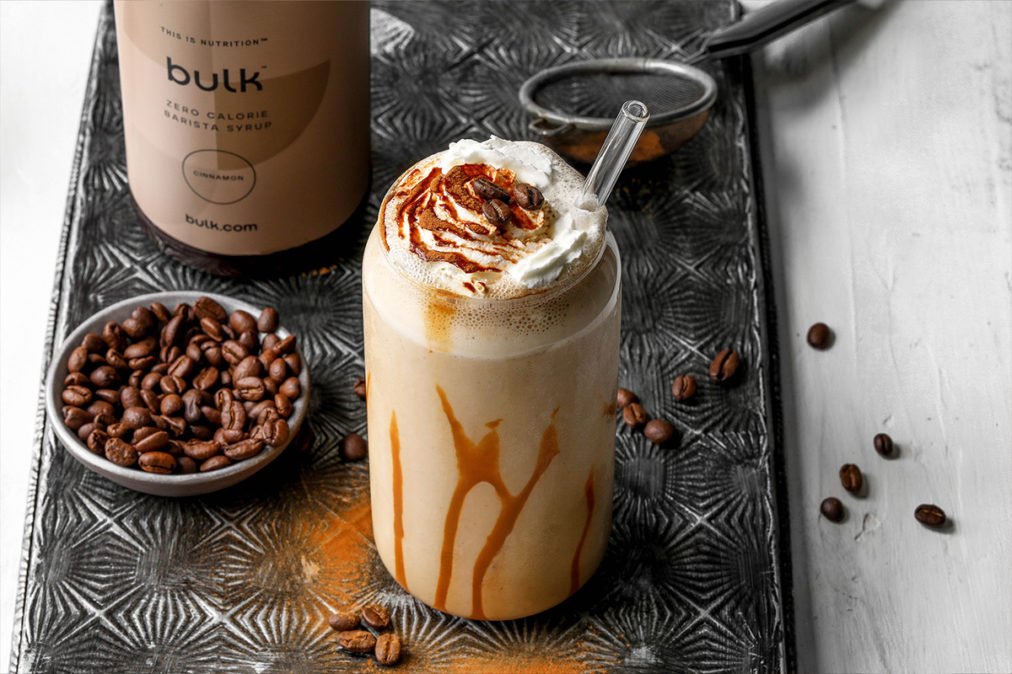
For a smoother protein coffee recipe, start with chilled or room-temperature milk, high-protein milk, or a small amount of water. Mix the protein powder into that liquid first. Once it is smooth, add the mixture to coffee gradually. An immersion blender, shaker bottle, or handheld frother can make the texture noticeably better.
For an iced version, the process is even simpler: brew coffee, let it cool, mix protein powder with milk separately, then combine everything over ice.
A basic formula is:
Coffee + ¾ to 1 cup milk + 20 to 30 g protein powder + ice or gentle heat.
The important part is not the recipe itself. It is controlling temperature and concentration so the protein disperses instead of forming little floating lumps.
Is Dunkin’s protein coffee worth paying for?
The answer depends on what you are buying.
Dunkin’s Protein Milk launched nationwide in January 2026 and provides 15 grams of protein in several medium protein beverages. By August, the chain had continued building protein into seasonal drinks, including its fall lineup. Its protein system is attractive precisely because customers do not have to carry powder around or prepare anything before leaving home.
That makes Dunkin protein coffee useful for convenience.
It is less compelling when the drink becomes a dessert with a protein label.
Dunkin also markets Protein Milk as something customers can add to coffee, lattes, matcha, and other beverages. In other words, the protein component is flexible, but the final nutrition depends heavily on the drink you choose and the flavor additions you keep.
Compare the bill with a homemade cup, and the difference becomes obvious. A supermarket tub of protein powder can produce many servings. A café drink is paying for preparation, ingredients, convenience, and branding. That is not necessarily bad value. It is simply a different purchase.
The proffee benefits are real, but they have limits
The strongest argument for protein coffee is convenience, not a special metabolic effect created by combining protein with caffeine.
That distinction matters.
Protein may contribute to fullness, but replacing a complete breakfast with coffee alone can leave gaps in fiber, fruit, carbohydrates, micronutrients, and total food intake. A protein coffee works better as part of a sensible breakfast pattern than as a nutritional loophole.
Caffeine also deserves attention. The FDA says up to about 400 mg of caffeine per day is an amount not generally associated with negative effects for most adults, although sensitivity varies considerably. A very large coffee plus energy drinks or pre-workout products can push intake upward surprisingly fast.
A better way to judge your Dunkin order
Before ordering Dunkin protein coffee, look at four numbers: protein, calories, added sugar, and caffeine.
If the drink gives you 15 to 30 grams of protein and fits comfortably into your normal intake, it may be a convenient choice. If it adds a large amount of sugar and hundreds of extra calories on top of your usual breakfast, the protein does not erase that.
The same rule applies at home.
A well-made protein coffee recipe can be inexpensive, fast, and genuinely useful. But the coffee is still coffee. The protein is still one part of your total diet.
And that is probably the most interesting part of the August 2026 trend. Proffee has stopped being a strange gym trick. It is becoming another way people build nutrition around an increasingly compressed morning.
The question is no longer whether protein can go into coffee. It clearly can.
The better question is whether the extra cost, calories, sweetness, and convenience are worth what you get in return.
FAQs
Is protein coffee good for weight management?
It can be useful when the added protein helps make a breakfast more filling and fits within your overall calorie intake. It does not cause weight loss by itself.
Can I put protein powder directly into hot coffee?
You can, but very hot liquid may cause some powders to clump. Mixing the powder with cooler milk or water first usually produces a smoother drink.
How much protein should protein coffee contain?
There is no universal amount. A practical serving often provides around 20 to 30 grams, but your ideal intake depends on your total daily protein needs and the rest of your meals.
Does protein coffee replace breakfast?
Not necessarily. It can function as part of breakfast, particularly when combined with foods that provide fiber and other nutrients.
Is iced protein coffee easier to make?
Usually. Cooler liquid reduces clumping problems, and a shaker or frother can create a smooth texture quickly.
Does protein coffee contain too much caffeine?
Not automatically. Check the coffee’s caffeine content and consider everything else you consume that day. The FDA’s general reference point for most adults is about 400 mg of caffeine daily.