


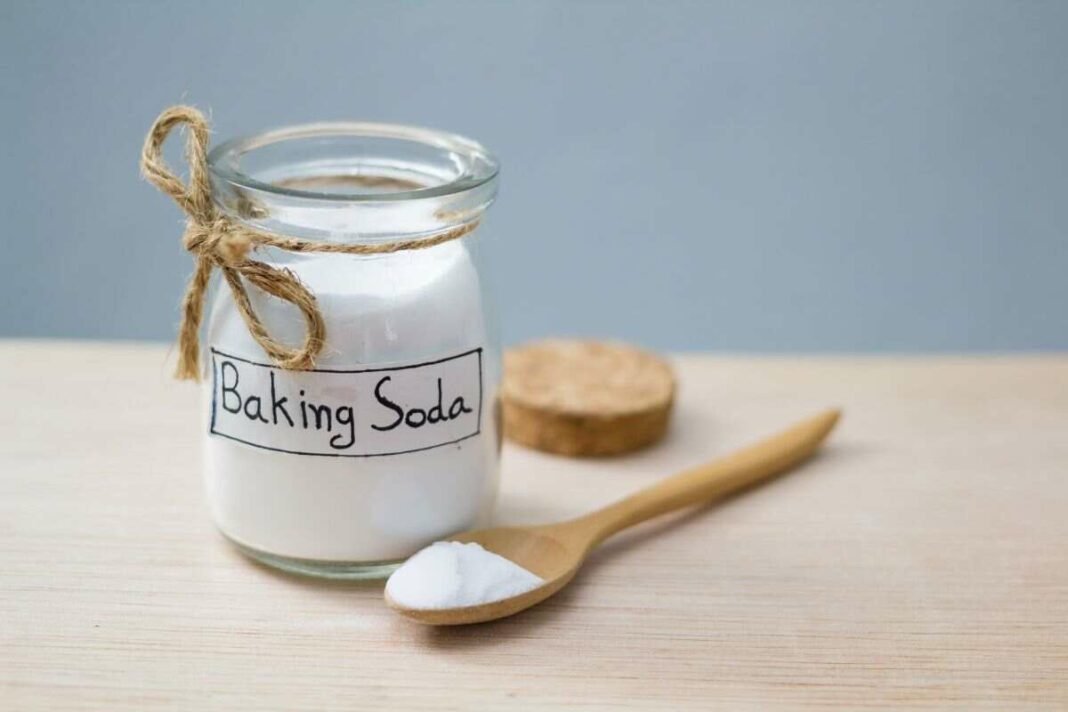



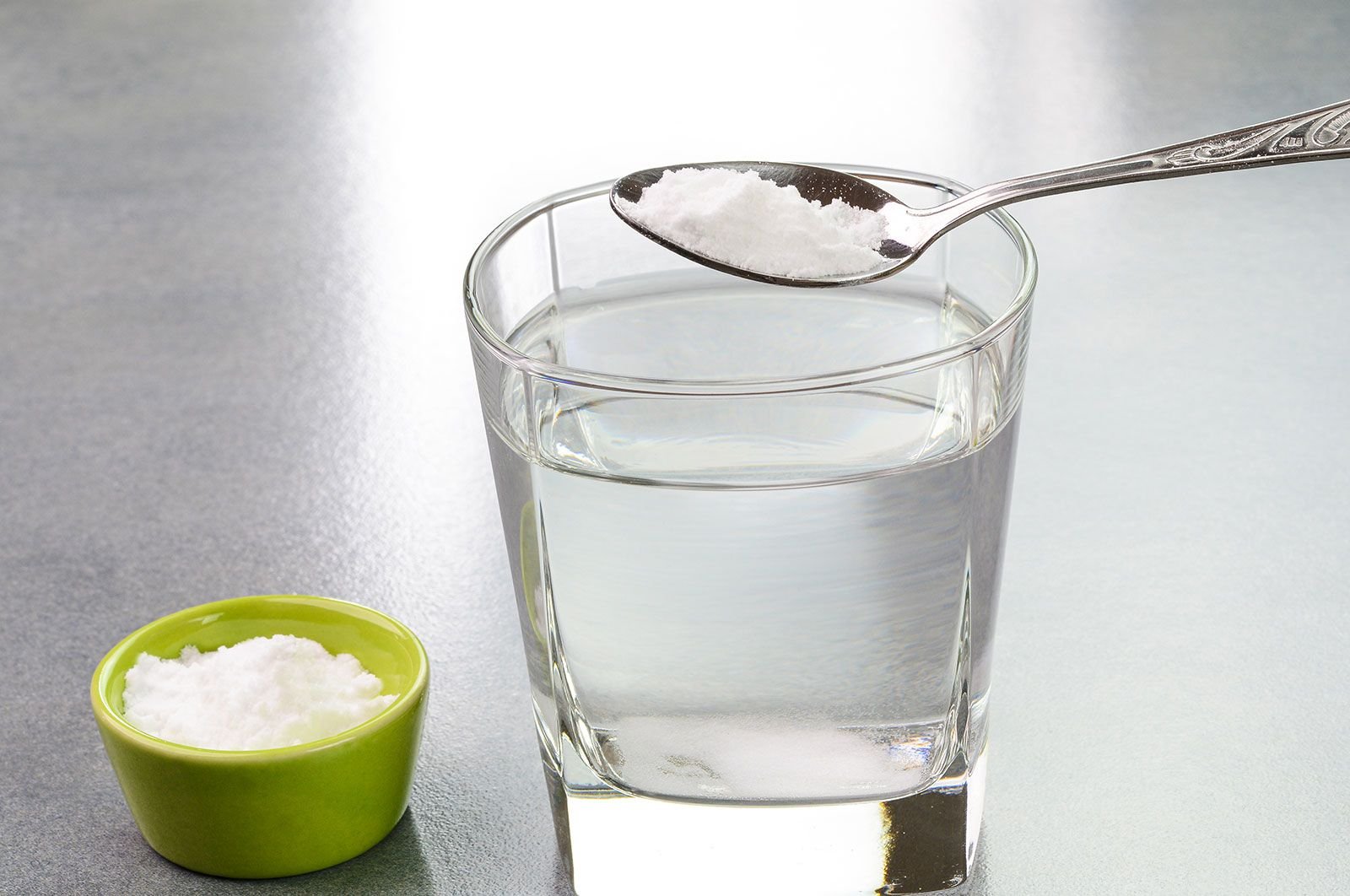
A half teaspoon of baking soda stirred into water looks harmless. It is cheap, easy to find, and social media makes the routine sound simple: drink it for weight loss, take it before the gym for more stamina, or use it when heartburn starts.
But baking soda is not just a kitchen ingredient. Sodium bicarbonate has real effects in the body, including acid neutralisation and changes in blood bicarbonate. Those effects explain some legitimate medical uses, but they do not turn the powder into a daily wellness drink.
So what does the evidence actually say?
What happens when you drink baking soda in water?
Sodium bicarbonate is an alkaline compound. In the stomach, it reacts with hydrochloric acid and produces sodium chloride, water, and carbon dioxide. That is why it can temporarily neutralise stomach acid.
Your body also controls its own acid-base balance through the lungs and kidneys. Drinking an alkaline mixture does not simply make the entire body alkaline, despite what many “alkalising” posts claim.
This distinction is central to the trend. A substance can change bicarbonate levels for a period of time without providing the broad health effects claimed online.
Does baking soda help with weight loss?
The weight-loss claim behind drinking baking soda water is much weaker than the fitness claim.
There is no good clinical evidence that an ordinary glass of baking soda water directly burns body fat. Sodium bicarbonate does not create the sustained calorie deficit required for meaningful fat loss, and changing stomach acidity is not a substitute for nutrition, activity, and energy balance.
Some social posts suggest that baking soda “speeds metabolism” by changing body pH. That conclusion is not supported by good human evidence. Blood pH is tightly regulated, and deliberately trying to push it higher is not a recognised weight-loss treatment.
Could exercise change the picture? Only indirectly. Sodium bicarbonate has been studied as a sports supplement, and certain athletes may perform slightly better during specific high-intensity efforts. That does not mean the substance itself burns fat.
So the first answer is clear: there is no established baking soda weight-loss effect that justifies drinking it every morning.
What are the real baking soda health benefits?
The strongest everyday medical use is much more ordinary.
Sodium bicarbonate is an antacid. It can neutralise stomach acid and provide temporary relief from heartburn or acid indigestion. According to MedlinePlus, sodium bicarbonate is used as an antacid and should be measured carefully when taken as a powder.
That is why baking soda health benefits need context. A legitimate medicine can still be inappropriate as a general supplement.
Antacids are meant for occasional symptoms. Frequent heartburn can have several causes, including gastroesophageal reflux disease, and repeatedly treating it at home can delay proper evaluation.
Can baking soda work as a pre-workout?
This is the part of the trend that has a real scientific basis.
A properly studied baking soda pre-workout can raise bicarbonate levels in the blood. During short, intense exercise, hydrogen ions accumulate as muscles produce energy, and extra extracellular buffering may help the body handle this acid load.
That does not mean baking soda simply “removes lactic acid.” Lactate is a normal product of intense exercise and is not the single cause of fatigue.
Research has found possible benefits in activities involving repeated or sustained high-intensity work, including some sprinting, swimming, and team or combat sports. Results are less consistent for ordinary endurance training and for general gym workouts.
The NIH Office of Dietary Supplements reports that studies commonly use about 300 milligrams of sodium bicarbonate per kilogram of body weight. That is very different from casually adding a small spoonful to water, and the same source notes that some people get no benefit or perform worse because of side effects.
Why can baking soda upset your stomach?
The main practical problem with a baking soda pre-workout is gastrointestinal distress.
Larger sports-supplement doses can cause bloating, belching, nausea, stomach pain, diarrhoea and vomiting. Recent research also continues to identify gastrointestinal symptoms as one of the main limitations of sodium bicarbonate supplementation.
There is another issue that is easy to overlook: sodium.
The NIH Office of Dietary Supplements notes that one teaspoon of sodium bicarbonate contains about 1,259 milligrams of sodium. Half a teaspoon would therefore provide roughly 630 milligrams of sodium. That can be a significant addition to someone’s daily intake.
For a healthy person eating a normal diet, one occasional exposure is not the same as chronic excessive use. But people with high blood pressure, heart failure, kidney disease, or a sodium-restricted diet have a stronger reason to avoid experimenting without medical advice.
Can drinking baking soda water cause serious problems?
Occasional use of an antacid is very different from taking escalating amounts because an online video promises better health.
Too much sodium bicarbonate can disturb the body’s acid-base balance and electrolytes. Severe poisoning can cause metabolic alkalosis, meaning the blood becomes abnormally alkaline, along with dangerous sodium or potassium changes.
A 2026 medical case report described life-threatening metabolic alkalosis and hypernatremia after extremely excessive sodium bicarbonate intake. The patient had taken vastly more than the half-teaspoon routine discussed online, so the case does not show that one small drink causes poisoning. It does show why uncontrolled or repeated high-dose use can become dangerous.
Medication interactions are another issue. MedlinePlus advises separating sodium bicarbonate from other medicines by at least two hours because it can affect how some drugs are absorbed.
This is why the word “natural” tells you very little about safety.
Does baking soda cure heartburn?
It can neutralise stomach acid, so the basic claim behind baking soda health benefits is real. The problem is turning an occasional antacid into a daily self-treatment.
According to MedlinePlus, sodium bicarbonate should not be used for longer than two weeks unless a doctor tells you to. People with high blood pressure, heart failure, or kidney disease should discuss its use with a healthcare professional.
Frequent heartburn deserves attention because persistent reflux symptoms may need a different treatment plan. Seek medical care for symptoms such as trouble swallowing, vomiting, gastrointestinal bleeding, unexplained weight loss, chest pain, or shortness of breath.
Who should be cautious with daily baking soda?
Most healthy people do not need baking soda water as a daily health habit.
Extra caution is needed with high blood pressure, heart disease, kidney disease, swelling or a sodium-restricted diet. Children should not be given oral sodium bicarbonate unless a clinician specifically recommends it.
People taking prescription medicines should also ask a doctor or pharmacist about timing and interactions. And a kitchen teaspoon is not automatically a medically accurate dose for a particular person.
What should you actually take from the trend?
The claims are not all equal.
For weight loss, drinking baking soda water has no established fat-burning benefit. For occasional heartburn, sodium bicarbonate has a real antacid effect, but frequent symptoms should not be managed indefinitely with kitchen measurements. For certain high-intensity sports, a baking soda pre-workout has evidence behind it, but the research uses specific dosing, timing, and participant groups.
The term baking soda health benefits can therefore create the wrong impression. There is no single package of benefits that applies to everyone.
And no, baking soda should not be viewed as a proven nitric oxide booster. The sports literature mainly discusses it as a buffering agent, not as a direct way to increase nitric oxide.
The safest approach is to match the substance to a clear medical or performance reason, rather than taking it simply because a viral post says it “alkalises” the body.
FAQs
Is half a teaspoon of baking soda in water safe every day?
There is no universal daily dose that is suitable for everyone. Half a teaspoon adds a meaningful amount of sodium, and regular use may be inappropriate with hypertension, heart, or kidney disease.
Does baking soda burn belly fat?
No good evidence shows that sodium bicarbonate specifically burns abdominal fat or causes meaningful weight loss by itself.
Can a baking soda pre-workout improve performance?
A baking soda pre-workout may help some people during short, intense exercise, particularly in trained athletes. It does not work for every person, and stomach side effects can cancel the benefit.
Does baking soda increase nitric oxide?
Baking soda is primarily studied for buffering capacity. It is not established as a direct nitric oxide booster.
Can baking soda make the body alkaline?
It can temporarily raise blood bicarbonate after sufficient intake, but the body tightly controls blood pH. That is very different from safely making the whole body more alkaline.
When should I see a doctor for heartburn?
Seek medical advice if heartburn is frequent, persistent or requires antacids on most days. Get urgent help for chest pain, shortness of breath, difficulty swallowing, bleeding or unexplained weight loss.