



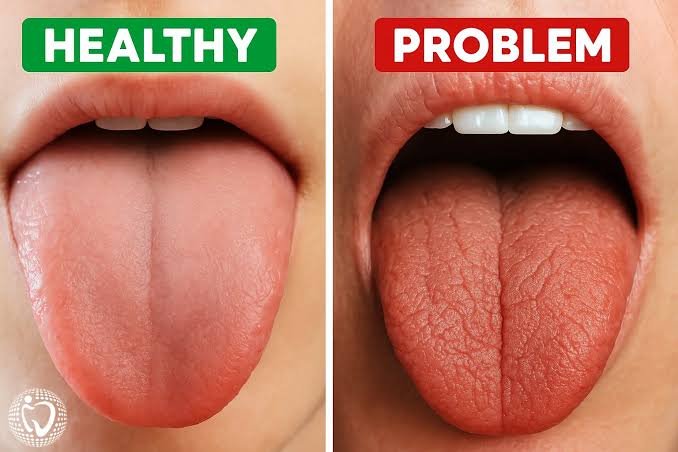
Dry mouth can be more than a minor inconvenience. The consistent need to take drinks at night, a sticky feeling in the mouth, and/or the inability to move your tongue from sticking to the roof of your mouth may mean that you are not producing enough saliva.
Salivary glands typically secrete saliva to lubricate the mouth. This can be compromised due to anxiety or thirst, and can make swallowing food or talking uncomfortable. Dry mouth, however, can also be caused by various medications, medical conditions, or treatments.
Although there are several potential causes, the good news is that there are also different possible solutions. The treatment option would depend on what is causing the problem, whether your salivary glands are still making saliva, and how much this is affecting your daily life.
What is Dry Mouth and Why is Saliva Important?
Many people have experienced waking up in the morning with a dry mouth. However, persistent dry mouth can not only cause discomfort when eating, but can also increase bad breath, cavities, and gum problems, because of the loss of natural protections that saliva provides.
According to the National Institute of Dental and Craniofacial Research, persistent symptoms should be evaluated, since saliva has a major impact on the health of the oral cavity.
What are the most common causes of dry mouth?
There is not one cause for each situation. Some people may need to drink more fluids. For others, it may be due to a side effect of a medication or a medical condition.
1. Fluid Loss and Dehydration
Not drinking enough, vomiting, diarrhea or excessive sweating can lead to fluid loss and dehydration. Fever and illness may contribute as well.
If the dryness improves after fluid replacement, it may have been due to dehydration. However, in the presence of adequate hydration, continuing symptoms should be evaluated further.
People with medical conditions that require a fluid restriction should follow their clinician’s advice.
2. Medications that Reduce Saliva
One of the most important causes to evaluate should be medication. Antidepressants, antihistamines, and decongestants, as well as alpha- and beta-blockers, bladder control medicines and others, can decrease the body’s production of saliva and as a result, may cause a dry mouth.
The risk can be increased with the use of several medicines with similar side effects. Even a medicine that has been used for several years may become noticeable after a dosage change or the addition of a new medicine.
If dry mouth started with the use of a new prescription or over-the-counter medicine, talk to your doctor or pharmacist. Never change or stop a prescription medicine on your own. The doctor or pharmacist may be able to adjust your prescription.
3. Diabetes and Other Medical Conditions
Persistent dryness can occur with diabetes, especially when blood sugar levels increase, causing the body to lose more fluid and burn more sugar, resulting in increased urination.
Pay attention to other symptoms. Increased thirst, frequent urination, unintentional weight loss, and unusual fatigue can indicate a medical condition and require further medical evaluation.
Another possible cause is Sjögren’s syndrome. This is an autoimmune disorder that affects the moisture-producing glands and causes dryness of the eyes and oral mucous membranes. Previous head and neck radiation and some cancer treatments can also decrease the production of saliva.
These are possible causes, not conditions. A dry mouth does not mean you have diabetes or an autoimmune disorder.
4. Mouth Breathing, Smoking, and Other Triggers
Waking up with a dry tongue that improves later in the day could be due to sleeping with an open mouth.
There are many other possible causes of a dry mouth. Temporary dryness can also occur due to anxiety or alcohol or tobacco consumption.
Persistent symptoms also cannot be attributed to age. Older people may take more medicines that decrease saliva, but dryness is not an inevitable part of the aging process.
What symptoms should you look for?
The feeling of dryness is just one of many possible symptoms. Other symptoms can also help determine the extent of saliva production.
-
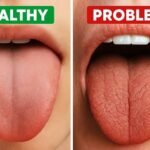
Rough tongue
-
Cracked lips or corners of mouth
-
Long-term difficulty in chewing or swallowing
-
Inability to speak for long periods
-
Changes in the taste of food
-
Inability to enjoy food
-
Persistent bad breath
-
Burning sensation in mouth or recurring mouth sores
-
Trouble swallowing dry foods
-
Waking up several times a night
If you have any of the above symptoms or notice bleeding from your mouth or swelling, you should contact your medical or dental professional for an exam. You may have an infection of some sort.
The treatments for dry mouth usually give short-term relief. A product that works for one person may not work for another.
1. Stimulate Saliva Production
If your glands are still functioning and you are not already producing lots of saliva, then you can drink water, chew gum, or suck on candy or hard suckers to stimulate more saliva.
2. Schedule Fluids
If your condition is such that your body is not able to produce enough saliva and you are restricted to drinking a set amount of liquids, then you can schedule your fluid intake.
Products containing xylitol may be of benefit for certain oral health issues; however, they do not correct the main cause of a problem. Use sugar-free products because of the increased risk of tooth decay when the level of saliva in the mouth is reduced.
Avoid hard sweets if there is a difficulty in swallowing and there is a risk of choking.
3. Use Saliva Substitutes and Moisturizing Products
There are many saliva substitutes, both prescription and nonprescription, which can be sprayed, swallowed or dissolved in the mouth. Some of these products can be purchased at a pharmacy and can provide relief when the body is not producing sufficient natural saliva. These products help to moisten the mouth.
For best results, consult a pharmacist or dentist on the best product for you, as product durations can vary. A gel may be better for use at bedtime.
Some mouthwashes can contain alcohol, which can lead to worsening of oral mucosa irritation. Be sure to check the ingredients of mouthwashes and seek advice from a dental professional on the appropriate products to use if you have natural teeth.
4. Review Your Medicines
Your doctor may suggest modifying the dose or schedule of medicines which may be the cause of reduced saliva if it is safe to do so. This may lead to a better outcome than just treating the symptom.
5. Prescription Medicines in Selected Cases
In some cases, prescription medicines may be used to stimulate the production of saliva and will be prescribed if the condition is not responding to treatment. These include pilocarpine and cevimeline and are only used in selected cases.
They aren’t for everyone and can cause side effects including sweating, nausea, and irregular heart rate. A doctor should decide if the benefits outweigh the risks.
Salivary gland damage from radiation can require the use of these medications. In these cases, use of saliva substitutes and preventive dental care would also be necessary.
There are several habits that you can incorporate into your daily routine that can improve the health of your mouth.
– Brush your teeth at least twice a day with a fluoride toothpaste. Decreased saliva increases the risk of cavities so it is even more important to protect your tooth enamel.
– Use an alcohol-free mouthwash. A mouthwash designed to help with oral dryness would be best.
– Limit alcohol and tobacco use. They can worsen oral dryness and irritation.
– Avoid drinks that increase your symptoms. Caffeine can increase symptoms in some people. Not everyone is the same, so you may be able to drink certain things that contain caffeine.
– Use a humidifier. This can add moisture to the air and improve your symptoms while you sleep.
– Eat soup. Soups and other soft foods that are served with a sauce can be easier to eat when your glands aren’t producing enough saliva.
The NHS also suggests drinking water, using sugarless gum, proper oral hygiene, and going to the doctor if your symptoms don’t improve or if they make it hard for you to eat.
What Happens When You See A Doctor About Persistent Dryness?
A doctor or dentist will want to know when you first started having symptoms, whether they occur at certain times of the day, what medicines you take, whether you have other symptoms, etc.
They will examine the mouth for dryness and irritation, any tooth decay, mouth sores, infection, etc. They may ask about your cancer treatment, if you have had diabetes, dry eyes, fluid loss, etc.
They may suggest different tests. These may include:
– Blood tests to check for Diabetes.
– Saliva flow tests to see how much saliva your glands make in a given time.
– More tests to check for a suspected Autoimmune disease.
Not everyone will need all of these tests. Depending on your symptoms and the doctor’s best judgment, different tests may be ordered.
You should see your doctor or dentist if your symptoms last for several weeks and self-care is not helping, symptoms are keeping you up at night, symptoms make it difficult to eat, swallow, or speak. You may want to see them sooner if you get symptoms that are painful or symptomatic of an infection, develop white patches in your mouth, get unexplained changes in your sense of taste, etc. Thirst and frequent urination deserve medical attention, especially if they occur together.
You may want to see a doctor or dentist right away if you get symptoms that make it difficult to swallow your saliva or if you have symptoms that make it difficult to breathe.
Frequently Asked Questions
1. Why Is My Mouth Dry Even When I Drink Water?
Drinking water can relieve dry mouth caused by dehydration, but it can’t correct reduced saliva production. There can be many different reasons for reduced saliva production, including certain medicines, mouth breathing, diabetes, and some disorders of the salivary glands.
2. Why is My Mouth Dry Only at Night?
Dry mouth at night can be caused by sleeping with your mouth open and/or nasal congestion. There can also be certain sleep-related breathing disorders. If your symptoms continue, it may be related to certain medicines that you are taking, or reduced saliva production. An assessment is warranted for continued symptoms.
3. Can Stress Cause a Dry Mouth?
Yes, this is because stress and anxiety can affect saliva production for a period of time. If symptoms are persistent after stress or anxiety has resolved, there can be other reasons for this as well.
4. Does Dry Mouth Mean I Have Diabetes?
No. There can be many different reasons for dry mouth, including certain medicines. However, if you also feel excessive thirst and frequently need to urinate and/or have unintended weight loss, this warrants further medical evaluation, which may include a blood glucose test.
5. What Is the Fastest Way to Relieve Dry Mouth?
Taking small sips of water or sucking on sugar-free hard candy or gum may help temporarily alleviate dry mouth. Sprays and gels that help moisten saliva may also help.
6. Can Persistent Dry Mouth Damage Teeth?
Yes. Saliva helps to protect the enamel of the teeth and helps to keep harmful oral bacteria in check. When saliva is reduced, tooth decay and oral infections increase. It is therefore very important for people with dry mouth to use a fluoride toothpaste and make sure they have routine dental care and necessary preventive care.
The Bottom Line
Treatment of dry mouth begins with determining the cause of the reduced saliva. For some people, simple changes may help, but when symptoms don’t improve, a medical professional may need to adjust the person’s medication, prescribe a different type of medication, or offer a treatment to help with dry mouth.
Understanding the causes of dry mouth helps people find a way to help their dry mouth instead of going through treatment for the symptoms of dry mouth repeatedly. If the symptoms of dry mouth are impacting your ability to eat, sleep or do normal daily activities, you should see your doctor or dentist.