






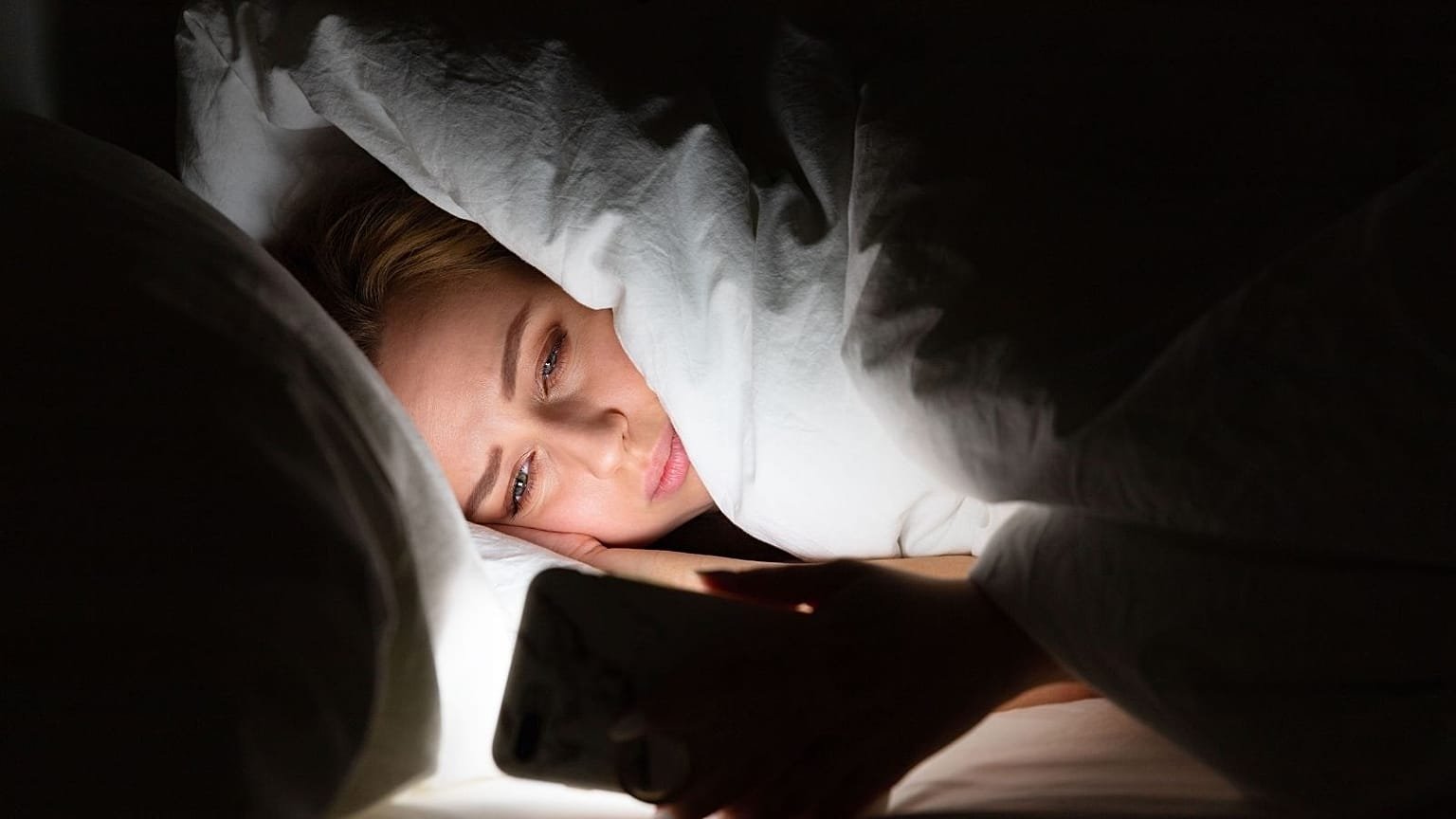
In the world we live in today, a lot of people like to think of themselves as night owls. Night owls are people who have a lot of energy and get a lot of work done at night, but they have a hard time waking up early in the morning. Staying up at night might be good for some people’s jobs or social lives, or just what they like to do. Scientists are finding out more and more that being a night owl can be bad for your heart.
Understanding Chronotypes: Night Owls vs. Early Birds
Your body has a clock that tells you when to sleep and when to wake up, and this is called your chronotype. People are usually one of three kinds of chronotypes:
- People who are morning types, also known as early birds, like to wake up early in the morning. Morning types feel really alert.
- Intermediate types fall somewhere in between. They are not one thing or the other; the intermediate types have a mix of things.
Your sleep pattern is affected by the genes you are born with, how old you are, and the things around you, like how much light you get and what time you have to be at work. Young people, like teenagers, usually like to stay up, but as people get older, they start to go to bed earlier and wake up earlier too.
The Link Between Night Owl Habits and Heart Health
Night owls are more likely to experience:
- High blood pressure
- Obesity
- Inflammation
Night owls usually do not get enough sleep. This is a problem when they have to wake up for work or school. They do not get rest, and this can cause a lot of issues.
Night owls can get sleep debt. Sleep debt is bad for the body. It can affect the hormones that control how hungry you are and how stressed you feel.
The stress hormone cortisol is a deal. When you have too much cortisol, it can hurt your heart over time. Night owls have to deal with levels of cortisol. This is not good for the system.
Circadian Rhythms and the Heart
It controls when your body releases hormones. The circadian rhythm even controls your body temperature. How your heart works.
The heart and the blood vessels in your body follow the rhythm, too. It tells our heart and blood vessels what to do at various times of the day.
For example, our blood pressure goes down when we are asleep and goes up in the morning. When we do not follow a sleep schedule, it can mess with our blood pressure. Research on blood pressure and our internal clocks shows that when our internal clocks are not working right, our blood pressure can be affected. This can lead to problems with our blood pressure, like when our blood pressure does not go down at night and does not go up in the morning like it is supposed to. Research shows that problems with our clocks or what we call circadian rhythms can lead to:
- Increased sympathetic nervous system activity (the “fight or flight” response)
- Reduced heart rate variability
- Damaged glucose metabolism
- Greater inflammation
Factors which Amplify the Risk
Night owls do things that can be bad for their heart:
1. Midnight munchies
This means your body does not work properly to deal with food. When you eat late at night, your body has time to process the food. This can lead to blood sugar levels and your body storing more fat. Eating meals late at night may also make you gain weight and make your body less responsive to insulin. Your metabolism and blood sugar levels are very important, so eating meals late at night can be a problem for your metabolism and blood sugar levels.
2. Decreased Physical Activity
They may also have time to find time to exercise later in the day. Night owls should know that not moving enough, which is called sedentary behavior, is very bad for their heart. It is a reason why people get heart disease. Night owls need to be careful about this.
3. Poor Sleep Quality
When people who stay up late at night, also known as night owls, get an amount of sleep, the time they sleep can still affect how well they sleep. If night owls do not get enough sleep, it can be because their sleep is broken up into pieces, or they do not get enough sleep. This kind of sleep, which is fragmented or not enough, is connected to blood pressure and problems with inflammation in the body.
Can Night Owls Lower Their Risk?
Being a night owl does not mean you will get heart disease. There are a lot of things that can increase your chances of getting heart disease. The good news is that you can change some of these things. If you are a night owl, you can do things differently. This will really help reduce the risk of heart disease for night owls.
- Set up a regular Slumber Schedule routine
When you do things at that time every day, your body gets into a routine. This routine helps your sleep be better. It makes your sleep schedule regular, which is good for your sleep.
- Improve illumination influence
Light is really important for our routine. The sunlight we get in the morning helps our bodies know what time it is. So it is an idea to go outside in the morning when you wake up. Try not to look at your phone or computer screen too much at night because the light from the screen can affect your eyes and your sleep. Morning sunlight is very good for our health. It helps us feel fresh.
- Stay Physically Active
Doing exercise on a regular basis is really good for the heart, and it helps you sleep better. You should try to do your exercise at times that you think you can keep up with. Even if you only have time in the evening, it is still good to do some exercise then.
What Future Research May Reveal?
The chronotype is really important to understand because it can tell us a lot about risk. Future studies will help us know for sure if the risk of problems comes from the way our body works, the way we live our lives, or how these two things work together to affect cardiovascular risk and our chronotype.
Conclusion
Being a night owl is more than something you like. It is the way your body works. This can affect the health of your heart. Some people are night owls, and they might have a chance of getting heart disease because their body clock is not right, they do not get enough sleep, and they do things that are not good for them. This does not have to happen to night owls. Night owls can still be healthy. The night owl lifestyle is not the thing that decides if you get heart disease or not. To take care of your heart, night owls need to get sleep, eat healthy food, exercise regularly, and manage stress. You see, your internal clock affects your health.
Faqs
1. Can changing my sleep routine decrease heart disease risk?
A: Yes, slowly changing to a more regular sleep routine, getting 7–9 hours of sleep, and closer sleep with natural light cycles can enhance circadian balance and reduce cardiovascular risk factors such as high blood pressure and slow digestion.
2. Are teens and young adults at the same risk as older night owls?
A: Younger night owls may not show direct heart problems, but long-term insomnia and unhealthy routines can enhance cardiovascular risk later in life.
3. Does midnight eating impact heart health in night owls?
A: Often, midnight eating can cause weight gain, slow blood sugar management, and increased cholesterol levels, all of which enhance the risk of heart disease.
4. Can exercise lower the heart risks linked with being a night owl?
A: Yes, regular physical activity increases circulation, lowers blood pressure, and helps in healthy weight. Balanced average daily exercise can considerably lower heart risks for night owls.