





The idea sounds almost too neat. A small patch, placed quietly on the skin, working in the background while focus sharpens, mood steadies, and energy somehow feels… smoother. That is the promise often tied to dopamine patches, or at least the version people tend to imagine.
But the moment the surface gets scratched, things stop being so clean. Because what people call dopamine patches is not one single thing. It is a mix. Part medical reality, part marketing language, and somewhere in between, a lot of misunderstanding.
What Dopamine Patches Actually Are
It helps to slow this down. Not all patches linked to dopamine are created equally. In fact, they often sit in completely different categories.
On the medical side, there are prescription treatments like the Rotigotine transdermal patch. This patch does not deliver dopamine itself. Instead, it behaves in a similar way to dopamine in the brain. That distinction might seem small, but it changes everything about how it works.
Then there is the Methylphenidate transdermal system. This one is used in ADHD treatment. It influences dopamine signaling indirectly, helping regulate attention and impulse control. Again, very specific use, very controlled context.
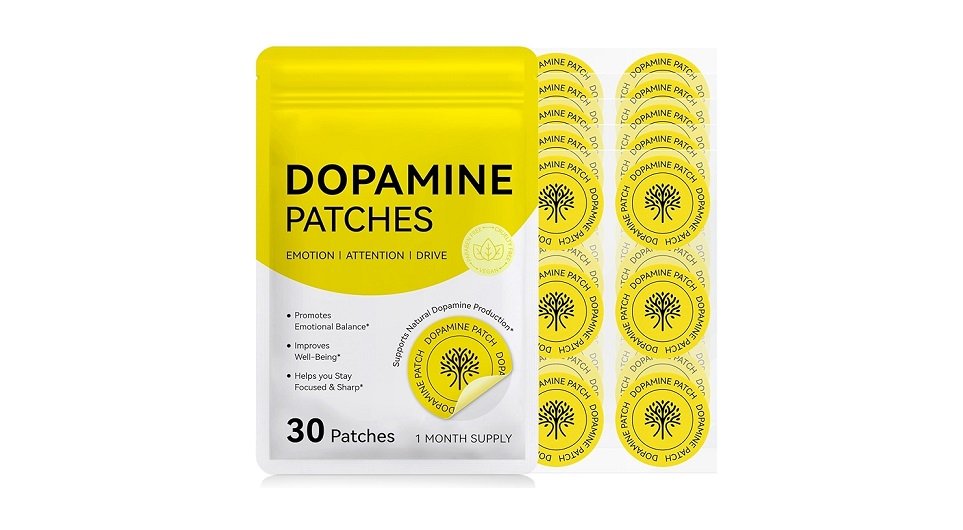
Now, step outside clinical medicine, and things get… less clear. Some wellness products claim to “optimize dopamine” through patches. Names like Sphera Coolset come up in conversations, though the scientific backing behind such tools is often thin or simply not transparent.
So when someone mentions dopamine patches, it is worth pausing. The term sounds unified, but it really is not.
How They May Influence Focus And Mental Clarity
Focus is usually the first expectation. That sharp, locked-in attention where distractions fade, and tasks feel manageable. Dopamine does play a role here, no question.
Prescription patches that affect dopamine pathways can improve focus in certain individuals. For example, the methylphenidate patch helps regulate attention in ADHD. It does not create superhuman concentration, but it can reduce the constant pull of distraction.
Still, this effect is not universal. It depends on the brain’s starting point. Someone with a diagnosed condition may notice a clear difference. Someone without that baseline issue might not feel much at all.
There is also a quieter point here. Expectation itself can shape perception. If a person believes a patch will improve focus, even a mild change might feel significant.
So yes, dopamine patches can influence attention. But only in specific contexts, and not always in the dramatic way people hope.
The Mood Connection And Emotional Regulation
Mood is where the narrative tends to drift a bit. Dopamine is often labeled as the “feel-good” chemical, which leads to a simple assumption. Increase dopamine, improve mood.
It sounds logical. It just is not complete.
Mood is shaped by multiple systems. Serotonin, environment, sleep, stress, and even social interaction all feed into it. Dopamine plays a role, but not a dominant, isolated one.
Prescription dopamine patches may improve mood indirectly. For instance, when physical symptoms ease in Parkinson’s disease, emotional state can improve as a result. But that is not the same as a direct mood boost.
Wellness products sometimes suggest a more immediate emotional lift. That claim tends to stretch beyond available evidence. A patch alone is unlikely to reshape emotional patterns in any lasting way.
Perhaps a more grounded way to see it is this. Dopamine supports motivation and reward. When those improve, mood might follow. Not always, and rarely instantly.
Energy Levels And Daily Motivation
Energy is a tricky word. It often gets used to describe motivation, alertness, and physical stamina all at once. Dopamine intersects with some of these, but not all.
Prescription tools like the Methylphenidate transdermal system can improve task initiation. That shift can feel like increased energy. In reality, it is more about reducing mental resistance.
For someone who struggles to start tasks, even small improvements can feel noticeable. The day flows better. Decisions feel lighter. That can resemble energy, even if physical stamina remains unchanged.
Outside clinical use, the picture becomes less predictable. Most people will not experience a strong “energy boost” from dopamine patches alone.
And honestly, this is where a quiet reality shows up. Sleep quality, nutrition, and stress often influence energy far more than any external patch. It is less appealing, maybe, but it tends to be more reliable.
Where The Evidence Gets Thin
This is the part that often gets overlooked. Not all claims are supported equally.
Prescription patches go through structured testing. Their effects, dosage, and safety profiles are studied carefully. That does not make them perfect, but it does make them predictable within a certain range.
Wellness patches operate differently. Some rely on vague mechanisms. Others use language like “neuro balance” or “frequency stimulation,” which sounds scientific but is not always backed by strong data.
There is also the question of delivery. Skin absorption is not simple. It requires precise formulation. Without that, active compounds may not reach the bloodstream in meaningful amounts.
So when evaluating dopamine patches, it is not just about what is promised. It is about how those promises are supported, or sometimes, not supported at all.
Risks, Side Effects, And Practical Limits
Even well-established patches come with trade-offs. The Rotigotine transdermal patch, for example, can cause skin irritation or nausea in some individuals. These effects are monitored in clinical use.
Stimulant-based patches may affect sleep, appetite, or heart rate. Again, these are managed under medical supervision.
Wellness patches might appear safer, mostly because they are less potent. But that also means less clarity. Ingredients, long-term effects, and actual impact are not always well defined.
There is another angle too. Relying on a patch as a primary solution can shift attention away from underlying issues. Fatigue, low mood, or lack of focus often have deeper causes.
A patch, even a useful one, rarely addresses all of them.
Tools And Products People Often Mention
Certain names tend to circulate when discussing performance patches:
- Sphera Coolset
- Neuro-stimulation adhesive patches
- Herbal transdermal patches claiming dopamine support
These tools vary widely. Some are experimental. Some are commercial. A few may offer mild subjective benefits, possibly influenced by expectation.
The key is not to treat them as equal to medically approved dopamine patches. The gap between them is wider than it first appears.
Who Might Actually Benefit
Not everyone is a candidate for these patches. The strongest evidence exists in clearly defined medical conditions.
- Parkinson disease
- Restless legs syndrome
- ADHD in selected cases
For others, the benefits are less certain. That does not mean there is no effect at all. It just means the effect may be subtle, inconsistent, or difficult to measure.
Lifestyle factors, while less exciting, often produce more stable improvements. Sleep, structured routines, and balanced nutrition tend to influence focus and energy more reliably than most external tools.
Frequently Asked Questions
Are dopamine patches actually delivering dopamine?
No, most do not deliver dopamine directly. They either mimic its action or influence how it is used in the brain.
Can these patches improve focus quickly?
Not dramatically or instantly. Prescription versions work gradually, and results depend on the individual.
Do wellness dopamine patches really work?
Evidence is limited. Some people report benefits, but strong clinical support is often lacking.
Are dopamine patches useful for mood improvement?
They are not standard treatments for mood issues. Any improvement is usually indirect and situation-dependent.
Is it safe to use dopamine patches without supervision?
Prescription patches require medical guidance. Wellness patches vary, and their safety is not always clearly established.
A More Grounded Way To Look At It
Something is appealing about the simplicity of dopamine patches. A small, quiet intervention that promises to improve how the brain feels and functions. It fits well into modern life. Minimal effort, potentially noticeable results.
But reality tends to resist simplicity. Some patches are legitimate, clinically useful tools. Others lean heavily on suggestion and expectation.
So the better question might not be whether they work in general. It might be where they fit, and where they do not.
Because sometimes, the answer is not in adding another layer. Sometimes, it is in stepping back and asking what is already shaping focus, mood, and energy in the first place.