






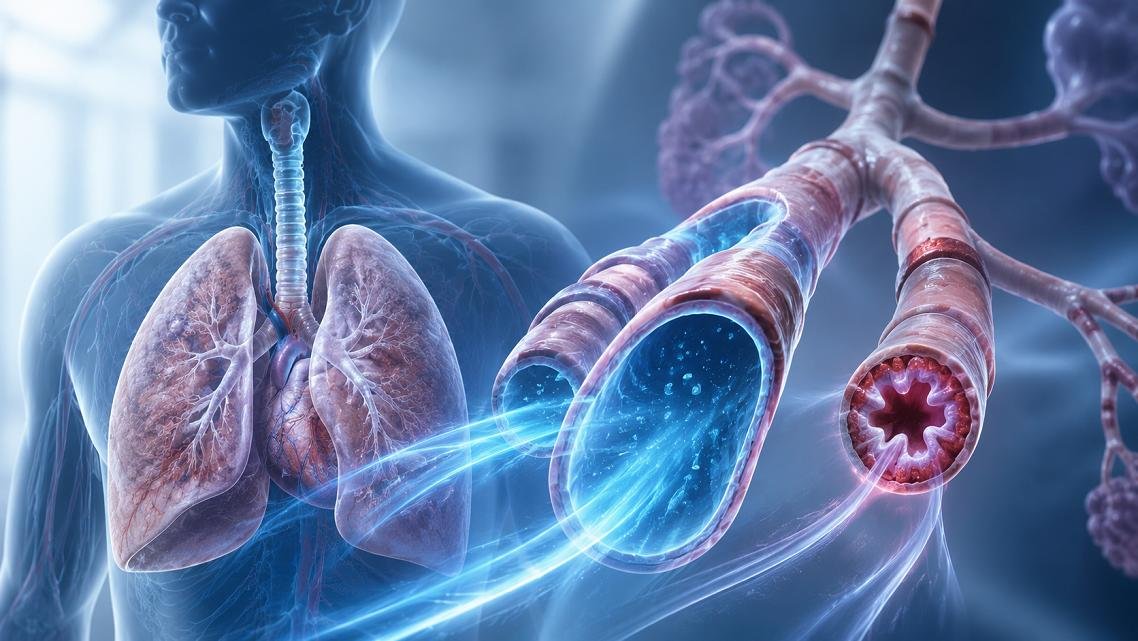
Have you ever walked up a small hill and suddenly felt like the air was totally gone? It is a terrifying feeling. You might notice a tightness in your chest. Perhaps that is not quite right. It is often more like a hollow feeling, a sense that no matter how deeply you inhale, the lungs remain empty. Actually, almost everyone feels this at some point.
Understanding the causes of shortness of breath is not just for doctors or scientists. It is for anyone who wants to know how their body works. The medical term is dyspnea. Most people just call it being winded. Sometimes the trigger is incredibly obvious. You just ran for a departing train. Or you carried a heavy box of books up a flight of stairs. Unprovoked gasping is a different story entirely. It feels unnatural because it is unnatural.
Understanding How The Human Body Breathes Naturally
Think about a standard kitchen sponge. A dry sponge soaks up water instantly. Healthy lungs are supposed to soak up oxygen just like that. But if the sponge is already full of dirt, or if it gets stiff, it cannot take in any more water. That is somewhat how the respiratory system operates under intense physical stress.
The diaphragm is a large muscle resting just below the ribs. It pulls downward to create a vacuum. Air rushes in to fill that space. When you exhale, the muscle simply relaxes and pushes the air back out. This process happens roughly twenty thousand times a day without any conscious thought. The very moment a person has to actively think about pulling air into their body, panic usually sets in.
Exploring The Main Causes Of Shortness Of Breath
Actually, maybe the lungs are only half the story here. The heart plays a massive role in this entire process. When people look for reasons for breathing difficulty, they usually forget the heart entirely. They assume the lungs are failing.
If the heart muscle becomes weak, it cannot pump blood effectively. Blood backs up in the tiny veins traveling through the lung tissue. Fluid slowly leaks into the delicate air sacs. This makes it incredibly hard for oxygen to pass through into the bloodstream.
Then there is asthma. This condition is extremely common across all age groups. The airways swell up aggressively. They produce extra, sticky mucus. It feels quite literally like trying to breathe through a tiny plastic drinking straw. Allergies often trigger this reaction. Dust, pollen, and pet dander are notorious offenders. The fresh air is blocked before it even reaches the deep, vital parts of the lung base.
Over a longer period, a person might find that they can no longer walk to the neighborhood mailbox without stopping to rest. This slow, frustrating decline is also one of the key causes of shortness of breath that requires professional medical attention. Conditions like chronic obstructive pulmonary disease develop gradually over decades.
Hidden Breathing Difficulty Reasons You Might Miss
Let us examine some less obvious factors. What about the blood flowing through the veins? Anemia means a body does not have enough healthy red blood cells. Red blood cells act as delivery trucks for oxygen. If there are fewer trucks on the road, much less oxygen gets delivered to the muscles and brain. The brain panics. It tells the lungs to work harder to compensate. A person starts breathing very fast just sitting in a chair.
On second thought, anxiety is perhaps the most confusing trigger of them all. Someone could be sitting completely still on a comfortable couch. Suddenly, they cannot catch a breath. A severe panic attack mimics a physical heart emergency almost perfectly. It is a wildly intense physiological experience. The mind tricks the body into thinking a bear is attacking. The heart races, and the lungs pump furiously to prepare for a fight that does not exist.
Another interesting point is stomach acid. People assume heartburn only affects the belly. Actually, potent stomach acid can creep up into the throat during the night. It irritates the vocal cords and the top of the airway. The body reacts by tightening up those airways to protect the lungs from the acid. They are searching for the true reasons behind their morning wheezing, never realizing it was just their late-night spicy dinner causing the chaos.
Exactly When To Worry About Shortness Of Breath
So, how does a normal person draw the line? Knowing when to worry about shortness of breath can literally save a life. It is absolutely not something to brush off or ignore.
If the breathing trouble suddenly comes with a heavy chest pain, immediate action is required. Pain that shoots down the left arm or travels up into the jaw is a classic, textbook danger sign. If the lips or fingertips turn a pale blue color, oxygen levels in the blood are dropping dangerously low. You might notice intense, cold sweating. Nausea often joins the party. These are blaring emergency signals. Waiting to see if they pass is a terrible idea.
Knowing When To Worry About Shortness Of Breath At Night
Nighttime brings its own unique set of challenges. Sleep apnea causes people to stop breathing repeatedly while they are unconscious. The brain wakes the body up just enough to take a desperate gasp for air. These individuals wake up feeling completely exhausted, unaware they fought for air all night long.
Waking up suddenly with a feeling of drowning is something entirely different. This specific terror is often linked directly to fluid buildup. Gravity causes fluids to settle in the chest when a person lies flat. Propping the body up with a mountain of pillows might help temporarily. But knowing when to worry about shortness of breath means recognizing that needing three pillows just to survive the night is a serious medical clue. It warrants a doctor visit immediately.
Simple Daily Habits For Better Breathing
What can be done at home to support healthy lungs? Pursed-lip breathing is a wonderful, easy trick. Breathe in gently through the nose for two full seconds. Then, pucker the lips like preparing to blow out a candle. Breathe out very slowly for four seconds. This technique keeps the airways open slightly longer. It is a very simple mechanism, yet it works wonders for rapid breathing.
Staying deeply hydrated is also surprisingly critical. The lungs feature a very thin, protective lining of mucus. If a person is dehydrated, this mucus gets thick and sticky. It makes it much harder for the lungs to clear out daily dust and airborne germs. Drinking plain water is one of the easiest, cheapest fixes available on earth.
Also, consider daily posture. Slouching over a computer screen physically crunches the chest cavity together. The lungs simply do not have the physical room to expand fully against the ribs. Sitting up straight instantly gives the diaphragm more space to move downward.
Reviewing All Causes Of Shortness Of Breath
To bring this all together, the core problems generally fall into a few distinct buckets. Heart issues. Lung damage. Blood deficiencies. Mental health factors. Environmental triggers like smog or mold. Each bucket requires a completely different medical approach.
We take around twenty thousand breaths a day. The moment the rhythm breaks, a feeling of dread takes over. Understanding these hidden reasons for breathing difficulty gives you a bit of control back. It allows a person to pause, evaluate the surroundings, and respond calmly instead of panicking.
Always listen to the body. And please remember exactly when to worry about shortness of breath in daily life. Let the medical experts handle the heavy lifting if things feel wrong. It is always better to be cautious than to ignore a flashing red warning sign.
Frequently Asked Questions About Breathing Troubles
Can Simple Dehydration Really Cause Breathing Issues?
Yes, it certainly can. As mentioned earlier, the lungs need moisture to function perfectly. When the body lacks water, the respiratory system has to work harder. The mucus inside the airways thickens, making every breath feel a little more labored.
How Does Pregnancy Affect Lung Capacity?
During pregnancy, the growing baby pushes upward against the diaphragm. This physically limits how much the lungs can expand downward. It is incredibly common for pregnant women to feel winded after minor tasks because their lung capacity is temporarily restricted by the shifting organs.
Is Constant Yawning A Sign Of Low Oxygen?
Perhaps. Yawning is a reflex that brings a massive gulp of air into the lungs. If a person is yawning constantly while awake and active, the brain might be trying to pull in more oxygen. However, it is mostly associated with fatigue or simple boredom.
Can A Pulled Back Muscle Feel Like Lung Pain?
Absolutely. The muscles between the ribs are called intercostal muscles. If one of these is strained from heavy lifting or twisting, it will hurt sharply every time the chest expands. People often confuse this sharp, localized muscle pain with an actual lung problem.
Does Freezing Cold Weather Make It Harder To Breathe?
Cold, dry air is very harsh on sensitive airways. It can cause the lungs to spasm and tighten up. This is highly noticeable in people with asthma. Wrapping a warm scarf loosely over the mouth and nose helps pre-warm the air before it hits the lungs.
What Is The Exact Difference Between Wheezing And Gasping?
Wheezing is a high-pitched whistling sound that happens when air is forced through narrowed tubes. It usually happens on the exhale. Gasping is a desperate, open-mouthed attempt to pull a large volume of air in quickly, usually indicating a sudden lack of oxygen.