





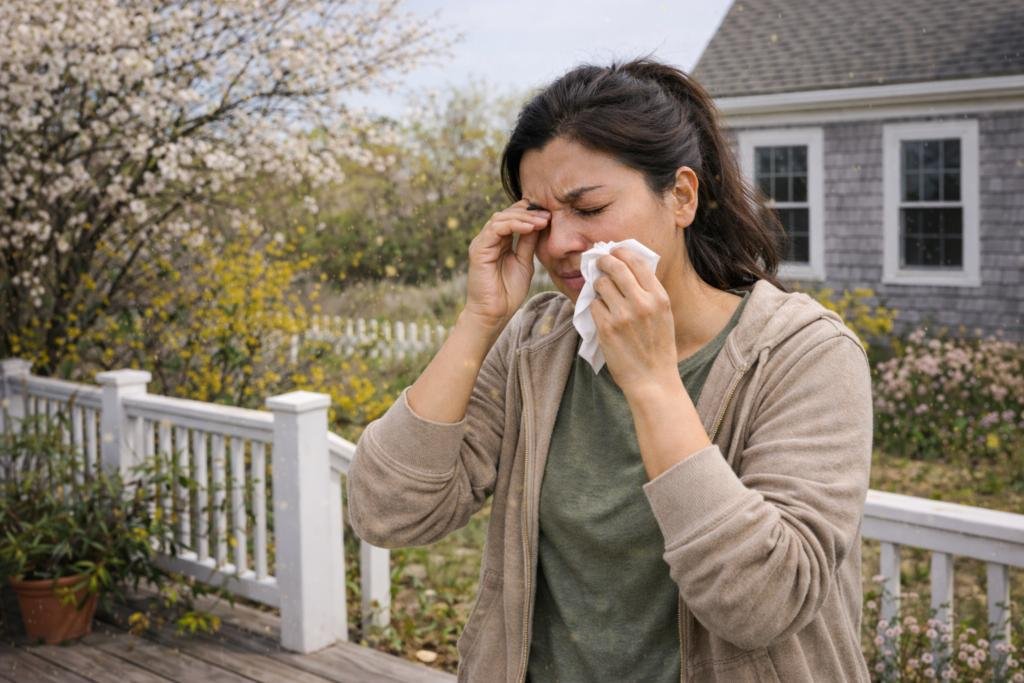
Some years just make allergy season hit harder, which plenty of folks say they’re noticing in 2026. Yet intensity isn’t only tied to more pollen – climate shifts play a role, so do air pollutants, daily home routines, how tuned-in your immune system happens to be, plus tension levels, rest quality, and little things like who you live with.
Understanding Seasonal Allergies: Why They Happen
When trees bloom, some bodies fight back like there’s danger – though pollen means no harm. Immune responses kick in without reason, reacting as if invaders arrived. What feels like spring joy for most becomes sneezing chaos for others.
This immune response creates familiar symptoms:
- Sneezing
- Runny or blocked nose
- Itchy eyes, nose, and throat
- Watery eyes
- Fatigue
- Sinus pressure
- Headaches
One reason allergies grind gears. Their habits shift like seasons. Last spring felt fine – now everything itches. Weather changes play tricks on how bodies react. What worked before might fail without warning. Each year brings a new pattern of sneezing, sniffles, or worse. The air itself isn’t the same as last time around.
Climate Change Lengthens Pollen Seasons
Earlier each year, spring shows up faster in plenty of places. Trees start releasing pollen ahead of schedule because of it. Weeds stay active longer into fall when temperatures hold on. Warm air lingers, pushing its cycle past usual limits. Higher levels of carbon dioxide feed some plants, boosting their output beyond normal amounts.
Heavier pollen hits harder now, lasting more days than before. What used to feel light can turn rough – longer contact brings sharper responses. Some who barely noticed symptoms find themselves struggling, caught off guard by the increase. Time outdoors adds up, making even small sensitivities flare.
Weather throws curveballs. When heat swings to downpours without warning, plants respond fast – releasing waves of pollen that turn sniffles into something far worse.
Why Pollen Counts Can Spike After Rain
Some think showers clear pollen for good – yet what really happens mixes surprise with science. Rain doesn’t erase allergens – it shifts them, sometimes making things worse before they get better.
A few drops might wash pollen away for a while. Yet when the sun shows up again following damp warmth, greenery surges – spilling new grains into the breeze.
When air holds too much moisture, problems often follow. Mold thrives where dampness lingers – this stuff triggers allergies just like pollen does. Tree counts might fall for a short time; meanwhile, invisible spores float higher.
Air Pollution Intensifies Allergy Symptoms
These poke at your nose, scratch your throat, and reach into your lungs. Mix that with pollen drifting by, and reactions might flare stronger than before.
Pollution can:
- Increase inflammation in the nasal passages
- Make pollen particles more irritating
- Intensify coughing and breathing discomfort
- Trigger stronger immune reactions
City spaces often face a one-two punch of allergens when exhaust fumes mix with airborne pollen. Though busy roads fill the air with soot, flowering plants add their own irritants nearby. Where vehicles swarm, nature still releases its particles into shared skies. Not just engines strain lungs – seasonal blooms contribute too in tight streets. Even amid concrete, green life sends up tiny triggers alongside smog. Air thickens differently here: machines plus trees both pour out what floats.
Some folks think they’re fine outside until spring hits hard – then sneezing won’t stop. Their lungs are already on edge from city air, smoke, and dust. When flowers start blooming, it’s too late. Irritation piles up long before yellow powder floats by. Breathing turns rough without warning. The body reacts like it’s under attack, though nothing seems different. Pollen just adds fuel after others lit the match.
Indoor Spaces Can Be Unsafe
Most people think being inside stops allergies, yet hidden triggers linger where they’re least suspected.
Pollen easily enters homes through:
- Open windows
- Clothing
- Hair
- Shoes
- Pets
Pollen clings to rugs after you walk inside. Dust mites find their way into sheets over time. Upholstered chairs trap particles that float through the air.
When filters stay fresh, cool air flows better – yet grimy ones push irritants around instead. Mites creep in alongside mildew, piling on discomfort without warning. Relief slips away indoors when hidden triggers keep spinning through vents.
That could be down to what’s in your bedroom air. When breathing struggles happen at night, rest takes a hit – leaving you drained by morning. Allergy patients often face this loop: bad airflow leads to broken sleep, which magnifies how rough things feel come daylight.
Your Immune System Changes Over Time
What if the body’s defenses actually shift over time? That could explain why sniffles hit harder now. Changes inside us might be making reactions stronger. The way we fight germs today isn’t how it worked before.
Maybe that’s part of the puzzle. Our internal shield adapts, whether we notice or not. This movement within plays a role. It’s not stuck in one place. Year by year, things adjust behind the scenes.
Later in life, allergy reactions might get worse because of how often you’ve faced triggers. A person who handled tree pollen just fine through many seasons could find it harder now.
Factors influencing immune sensitivity include:
- Hormonal changes
- Chronic stress
- Poor sleep
- Viral infections
- Changes in the environment
- Air quality exposure
Pollen from plants in a new area might catch your body off guard, since it has never seen those types before. Immune reactions can start up suddenly when you settle somewhere with different greenery around. Suddenly reacting to blooms could trace back to trees or weeds not present where you lived earlier.
Your defenses may treat these newcomers like threats even though they’re harmless.
What catches most off guard is how often repeated contact boosts sensitivity instead of dulling it.
Stress, Sleep, and Allergies
Stress has a powerful effect on inflammation in the body.
Stress triggers hormone shifts inside the body – those changes can shift how immunity responds. Allergies might drag on longer, or flare up more sharply, when tension stays high.
Waking up tired feels heavier when your nose is blocked. Breathing gets tricky at night, so rest breaks into pieces. When sleep slips away, swelling lingers longer, energy drops lower. That slow drain keeps feeding the problem back again.
A person experiencing:
- Work pressure
- Emotional strain
- Family responsibilities
- Sleep problems
When life piles on too much, even small reactions seem bigger than usual. The weight of daily strain somehow magnifies what once felt manageable.
The Intimacy Impact of Seasonal Allergies on Personal Closeness
Surprises pop up when pollen counts rise – mood shifts might strain quiet moments together. A stuffy nose one evening could reshape how two people connect by morning.
When the body feels off, so do conversations and movement. Sneezing nonstop or battling a stuffy nose often drains your drive. Watery eyes, plus head pressure, dull alertness. Tiredness creeps in, making social ease harder. Confidence dips when symptoms linger.
Many people experience:
- Reduced Physical Comfort
When sinuses are clogged, taking a full breath becomes hard. Breathing trouble can leave a person too worn down for closeness. A stuffy nose might dull the urge to hug, kiss, or be touched – not from lack of care, but from how awful it feels just to inhale. Being unwell reshapes what comfort means.
Breathing feels harder up close when things get stuffy, particularly if reclining tightens the nose even more.
- Fatigue and Low Energy
Somebody might come off cold even if they’re simply worn out. Sometimes exhaustion looks like disinterest, though it isn’t. Quiet moments can be mistaken for withdrawal when energy has run low. Tiredness shows up in ways that mimic detachment, yet mean something else entirely.
- Self-Consciousness About Symptoms
Though tiny, things like a stuffy voice can quietly shift how people relate. A person who keeps breaking the talk with loud sneezes might unknowingly create distance. Moments that seem minor still leave traces of closeness.
- Shared Environmental Triggers
Surprisingly, one person’s habits might intensify another’s discomfort. Scents from candles or colognes – maybe even a bouquet on the table – could spark trouble. A breeze through an open window brings more than fresh air. Pet fur drifting in the room may set things off just as easily.
Breathing cleaner air sometimes makes days easier. Shifting habits quietly changes how someone feels. Each step adds up without needing big efforts.
- Emotional Intimacy Challenges
A constant ache here or there often drags spirits lower.
When one person feels worn out, it might look like they’re pulling away. Yet that tiredness or short temper often comes from physical strain, not cold feelings. Misunderstanding this shift can quietly widen the space between two people.
When bodies hurt, feelings shift – seeing that link clears up confusion. Pain changes moods, which explains why reactions surprise people sometimes.
Why This Year Feels Different Than Previous Years
Several overlapping reasons often explain why allergies suddenly feel worse:
- Longer pollen seasons due to warming temperatures
- Higher pollen production from plants
- Pollution amplifying irritation
- Indoor allergen buildup
- Changing immune sensitivity
- Stress and poor sleep are intensifying symptoms
- Now here’s a shift – body history matters, especially old infections or rising internal swelling
Conclusion
Some springs hit harder when trees release more dust into warmer air. Bodies react differently now than before, maybe due to tired nerves or city smoke. Stale rooms filled with old particles add weight by noon. Tension builds quietly, weakening how you bounce back each morning. Nights that lack deep rest leave eyes heavy days after. All of it piles up without warning. Heavy eyes don’t just come from sneezing. When allergies take hold, they tug at emotions, slow down days, mess with rest, and even shift how close two people feel when spring turns rough. Spotting the mix of triggers makes sense of why now hits harder than back then – also shows that calming symptoms means looking past the yellow dust floating in the air.
FAQs
1. Why do seasonal allergies feel worse this year?
A: Later blooms aren’t the only shift – plants now wake sooner, stretching pollen drift across more weeks. A heavier load fills the air, thanks to warmer days nudging growth ahead of schedule. Not just timing changes; plants make more dust than before, packing each breath with extra irritants. Weather swings play a part, too, making some springs rougher on sensitive systems. On top of that, city smoke and soot mix into the breeze, sharpening reactions. When rest falls short or nerves run high, bodies respond stronger, as if already worn thin. All these strands weave together – not neatly, but enough to tip the balance.
2. Can climate change really make allergies worse?
A: Warmer weather often means more sniffles. Because of higher CO2, some greenery pumps out extra pollen. Longer springs tend to stretch discomfort into summer. More exposure usually brings worse reactions. Some years feel harder than others – nature shifts quietly.
3. Can indoor spaces still trigger seasonal allergies?
A: Inside buildings, allergy triggers often stick around. Through clothes, hair, or pet fur, pollen sneaks inside. Open windows let in more than fresh air – tiny irritants float in too. Old dust builds up where you might not notice. Mold hides in damp spots, growing quietly. Air filters that go unchanged trap less junk over time. Being indoors gives some shelter – but never full protection. Relief sometimes slips away, even behind closed doors.
4. How do seasonal allergies affect sleep and daily energy?
A: When seasons shift, stuffy noses tend to wreck nighttime rest. Breathing gets harder, so falling asleep becomes a slow struggle. Tossing through the night leaves one feeling drained by morning. Foggy thinking creeps in, along with short tempers and dull headaches. Focus slips easily when energy dips low. All of it together magnifies how bad allergy days can feel.