






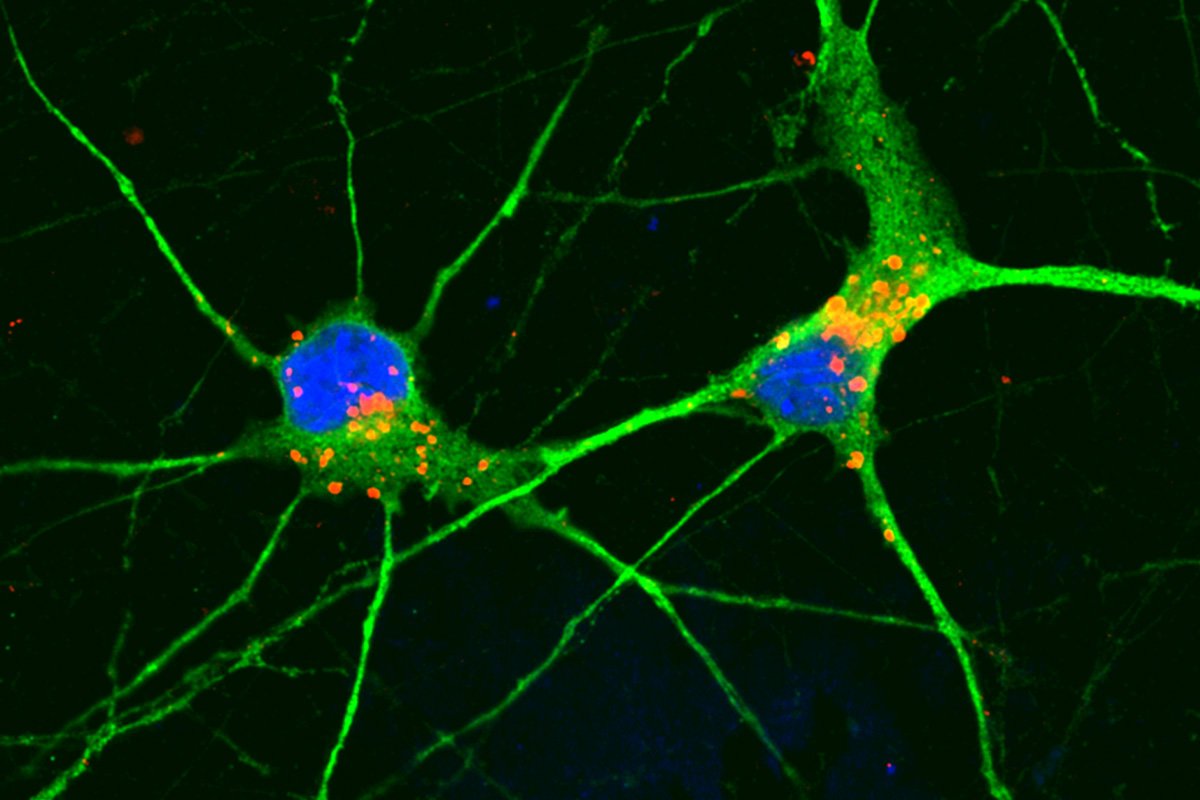
A Hidden Ghost in the Machinery of the Human Brain
For decades, scientists looking through microscopes at the brains of people who passed away with neurodegenerative diseases felt like detectives arriving late to a crime scene. They could see the aftermath, the missing cells, and the widespread damage, but the actual moment of cellular expiration remained stubbornly hidden. Apoptosis, which is the neat, programmed suicide that cells undergo when they are old or damaged, never quite explained the sheer scale of the devastation.
Actually, for a very long time, doctors have struggled to explain every single ounce of dementia brain tissue loss using old models. There was a missing link, a ghost in the biological machinery. That changed when an international team of neuroscientists announced the discovery of an entirely new way that brain cells die. They have named this process karyoptosis, deriving the word from Greek roots that signify a falling apart of the nucleus.
The formal identification of the karyoptosis cell death mechanism adds an entirely new lens through which we can view cognitive decline. It gives us a concrete look at a cellular battlefield that was previously completely invisible to medicine.
What Exactly Happens When a Neuron Suffers Karyoptosis?
To understand this newly found process without getting bogged down in impenetrable laboratory jargon, it helps to imagine a cell as a bustling city. The nucleus is the city hall, the secure vault where all the precious genetic blueprints are stored under lock and key. In other forms of cellular demise, the outer walls of the cell might burst open, or the whole structure might systematically dismantle itself in an orderly fashion.
When we look at how the karyoptosis cell death mechanism unfolds, it looks fundamentally different:
- The Trigger: Chronic stress and a slow buildup of waste products cause a tragic, localized toxic protein accumulation in neurons over several decades.
- The Structural Collapse: This accumulation essentially chokes the city hall from the inside. The nucleus begins to warp and buckle.
- The End Result: Its outer membrane loses its structural integrity and begins to shrivel up like a piece of dried fruit before completely disintegrating into the surrounding cellular fluid.
Once the control center collapses, the rest of the cell simply cannot function anymore. It deflates and undergoes severe atrophy. Perhaps the most startling part of this discovery is that it was not found in a synthetic environment or a theoretical simulation. It was observed directly inside the post-mortem brain tissue of human patients who had fought hard battles against Alzheimer’s and frontotemporal dementia.
Inside the Post-Mortem Data That Shook Up the Lab
The numbers coming out of this research are quite striking, and they help explain why the scientific community is treating this news with such urgency.
What they found was a stark, undeniable contrast:
| Patient Tissue Group | Neurons Showing Karyoptosis Hallmarks |
| Terminal Alzheimer’s Patients (Frontal Cortex) | 35% of analyzed cells |
| Healthy Control Subjects (Same Age Bracket) | 15% of analyzed cells |
By mapping thousands of cells, researchers provided clear evidence linking the physical reality of dementia brain tissue loss to this precise cellular breakdown. For a long time, researchers recognized that toxic protein accumulation in neurons was a major red flag, but they were missing the exact mechanical bridge connecting the buildup to the actual death of the cell. Now, we might finally have that bridge. It feels like finding a new path on an old map that everyone assumed had already been fully drawn.
The Molecular Red Alert Routing Through p38 and LaminB1
Now, if we lean into the finer details of the chemistry, things get even more fascinating. The study, which was formally published in the peer-reviewed journal Nature Communications, laid out the specific sequence of chemical dominoes that causes the nuclear envelope to fall apart.
The team discovered that this toxic protein accumulation in neurons destabilizes the outer protective shell of the nucleus by triggering a specific molecular pathway.
There is an intracellular enzyme pathway called the p38 mitogen-activated protein kinase, or simply p38 MAP kinase, which behaves like a master stress switch. When the cell gets overwhelmed by internal garbage that it cannot clear out, this p38 switch flips into overdrive. It begins interacting aggressively with a structural scaffolding protein called LaminB1.
Once p38 modifies this structural scaffolding protein, the tight mesh network keeping the nucleus round and strong starts to unravel. On second thought, calling it an unraveling might be too gentle; the nucleus essentially implodes.
Understanding the steps that trigger this karyoptosis cell death mechanism could give us the blueprint we need to stop the process before the damage becomes permanent. In laboratory dishes, scientists have already shown that using chemical blockers to turn off that p38 switch can significantly reduce the signs of nuclear destruction in living rodent cells.
Why This Changes the Entire Roadmap for Drug Development
This discovery matters immensely because our current arsenal of dementia treatments is notoriously limited. For years, the pharmaceutical industry focused almost all of its money and energy on clearing out amyloid plaques, the sticky protein clumps that form outside of neurons. While those drugs have recently shown some modest success in slowing down the early stages of the disease, they are far from a complete cure.
Targeting the karyoptosis cell death mechanism gives us an entirely different path, an internal cellular target. If we can design a drug that shields the nucleus, we might prevent a massive portion of the dementia brain tissue loss that steals a person’s memories. It shifts our strategy from clearing external debris to reinforcing the internal walls of the neurons themselves.
You might notice that this represents a fundamentally more protective philosophy of medicine. Instead of just trying to clean up the neighborhood after the fire has started, we are talking about retrofitting the houses so they do not burn down in the first place.
Looking Over the Horizon at the Future of Neurodegenerative Care
Of course, we need to balance this genuine excitement with a healthy dose of intellectual humility. Turning a laboratory insight into a bottle of pills sitting on a pharmacy shelf is a notoriously long, winding road that often takes a decade or more. There are countless hurdles to clear, and what works beautifully in a petri dish or a lab animal can fail unexpectedly when introduced to human patients.
However, the conceptual breakthrough is already here. Whether we are talking about Alzheimer’s or frontotemporal dementia, managing toxic protein accumulation in neurons at a structural level is critical. This line of research could arguably expand outward to help us understand other devastating conditions like amyotrophic lateral sclerosis, or ALS, which seems to share similar cellular stress pathways. Knowing exactly how the enemy attacks allows researchers to build better defenses, and slowing down dementia brain tissue loss is no longer a distant pipe dream. It feels like we are standing at the beginning of a brand-new chapter in neuroscience.
Frequently Asked Questions
Is the newly discovered karyoptosis process the only reason brain cells die in dementia patients?
No, it is definitely not the sole culprit. Brain degradation is highly complex and multifactorial. While the karyoptosis cell death mechanism accounts for a substantial portion of neuronal loss, other established pathways like classic apoptosis and necroptosis still play significant roles in the broader scope of neurodegeneration.
Can current brain scans detect dementia brain tissue loss caused by this specific process in living people?
Right now, standard clinical imaging tools like MRI or PET scans cannot look closely enough to see a cell nucleus shriveling in real time. They can only measure the wider, structural dementia brain tissue loss after millions of cells have already vanished, meaning this remains a post-mortem diagnostic feature for the time being.
How does this discovery affect people who are currently living with an Alzheimer’s diagnosis?
In the immediate short term, it does not alter daily treatment plans or available prescriptions. However, its true value lies in how it reshapes the long-term drug pipeline, giving biotechnology firms a highly specific molecular pathway to target with next-generation experimental therapies.
Does everyday psychological stress speed up the toxic protein accumulation in neurons associated with this condition?
While everyday mental stress is known to cause systemic inflammation and impact general well-being, the specific toxic protein accumulation in neurons that triggers karyoptosis is caused by chronic, biological failures in cellular waste clearance, rather than standard lifestyle anxiety.
Are there any specific dietary changes or supplements that can stop karyoptosis?
Currently, there is no scientific evidence suggesting that any specific vitamin, diet, or over-the-counter supplement can influence this specific nuclear degradation pathway, as the mechanism requires highly targeted molecular interventions that are still being developed in research laboratories.