





Something strange happened on social media feeds recently. While past years were completely dominated by hyper-processed protein powders and aggressive low-carb crazes, a completely different dietary habit started taking over kitchen counters. People are suddenly obsessing over chia seeds, lentils, raspberries, and wild grain bowls. They call it fibermaxxing. But what is this trend really about, and why are high-fiber recipes dominating food culture right now?
Honestly, the word itself sounds a bit like internet slang cooked up by overly enthusiastic fitness accounts. Maybe it is. On second thought, peeling back the trendy label reveals something dietitians have been desperately shouting from the rooftops for decades. Most adults walk around in a state of chronic fiber scarcity. When you look closely at modern eating habits, it becomes clear that filling this gap can change everything, from digestion to overall energy levels.
What Is Fibermaxxing And Why Is It Everywhere Now?
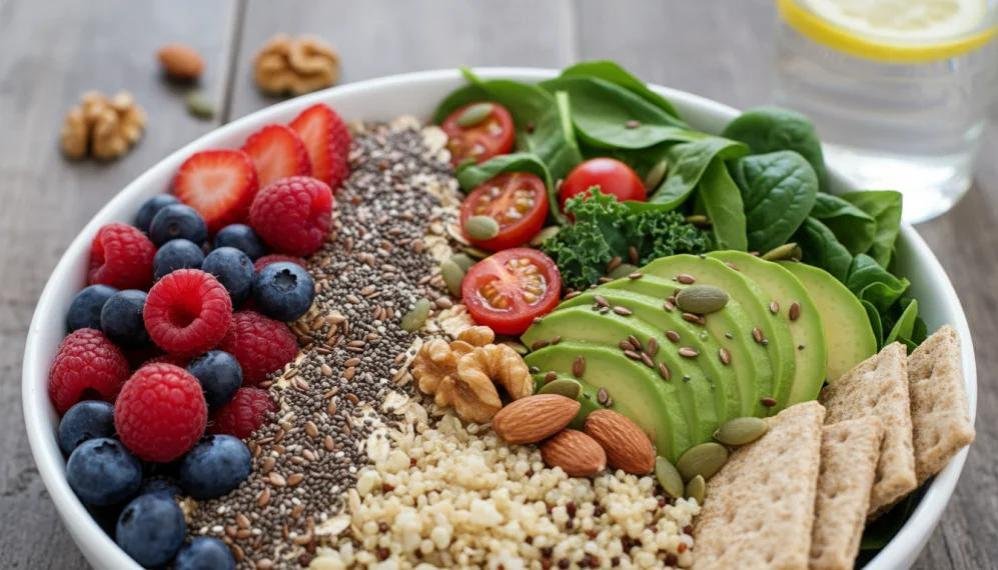
At its simplest core, fibermaxxing just means intentionally organizing meals around plant variety to comfortably hit or exceed daily fiber targets. Instead of tracking calories or obsessing over macronutrient splits, people focus on getting at least 30 distinct plant foods into their weekly routine. Think seed mixes, leafy greens, root vegetables, beans, and whole grains.
You might notice how previous health trends treated carbohydrates like the absolute enemy. Fibermaxxing completely flips that narrative on its head. It turns out that complex carbohydrates packed with roughage are precisely what the human digestive ecosystem needs to thrive. People who constantly wonder why I am always hungry on a diet are finding that adding volume through roughage solves the problem much faster than cutting portion sizes down to sad little lettuce leaves.
Perhaps that sounds too simple to be revolutionary. Actually, the magic comes down to how different types of plant matter interact with your digestive system.
Soluble fiber dissolves in water to form a gel-like substance that slows down glucose absorption. Insoluble fiber acts more like a soft broom pushing material through the intestines. Both matter tremendously. When meals lack these components, the gut microbiome starves, leading to sluggish digestion and weird energy crashes during the workday.
Why High Fiber Recipes Are Trending Hard Right Now
It is worth asking why this specific movement exploded right now instead of five years ago. Well, gut health awareness reached a critical mass. People got tired of feeling bloated, foggy, and constantly unsatiated by restrictive eating plans.
When searching for answers to why I am always hungry on a diet, the realization usually lands hard: protein alone does not keep a person full forever. Fiber provides physical bulk in the stomach without adding excessive caloric density. It stretches the stomach lining naturally, triggering fullness signals that travel straight up to the brain.
Food creators started realizing that high-fiber meals do not have to taste like cardboard or dry bran muffins. They began crafting vibrant Mediterranean grain bowls, creamy lentil curries, roasted chickpea salads, and berry-packed chia puddings that look incredible on video feeds. The visual appeal of colorful, plant-dense food played a massive role in making roughage cool again.
Yet, despite these clear medical benefits, the vast majority of modern diets fall dangerously short of basic targets. Fibermaxxing acts as an informal, community-driven answer to this exact public health crisis.
Learning How To Increase Daily Fiber Intake Without Distress
Here is where things get tricky. If someone decides to jump from 10 grams of daily fiber straight to 40 grams overnight, their stomach will absolutely revolt. Cramping, intense gas, and uncomfortable bloating usually follow. The gut microbiome is like a complex living garden; you cannot dump a truckload of fertilizer on delicate soil all at once without causing chaos.
Knowing how to increase daily fiber intake requires patience and plenty of water. Water is non-negotiable here. Fiber absorbs fluid like a dry sponge in order to pass smoothly through the tract. Without extra hydration, increasing plant material can actually cause severe constipation instead of fixing it.
Small, subtle adjustments work best. Toss a handful of ground flaxseed into morning pancake batter. Switch from white rice to brown rice or farro. Keep a jar of roasted edamame nearby for afternoon snacking. These incremental shifts build up over time without shocking your digestive tract into total rebellion.
Simple Strategies For Finding The Best High Fiber Recipes For Gut Health
You do not need an advanced culinary degree to prepare delicious, plant-heavy meals. In fact, relying on overly complicated steps often causes people to abandon new habits after a few days.
The easiest trick is hunting down the best high-fiber recipes for gut health that utilize simple, budget-friendly pantry staples. Canned beans, lentils, frozen berries, and whole oats cost very little compared to specialized dietary supplements or pre-packaged protein bars, yet they deliver far superior nutritional value.
Consider a simple morning routine. A basic bowl of oatmeal topped with a handful of raspberries, a tablespoon of chia seeds, and chopped walnuts easily packs 12 to 15 grams of quality fiber before 9:00 AM. That single breakfast puts a person halfway toward their minimum daily goal.
If you spend time looking into how to increase daily fiber intake, you will find that diversity matters just as much as sheer quantity. Eating ten different plant species over a week feeds a far wider variety of beneficial gut bacteria than eating a massive bowl of plain bran cereal every single morning.
Real Life Kitchen Swaps That Make A Massive Difference
Let us talk about practical application for a moment. What does this look like when preparing actual meals after a long, exhausting workday? It comes down to tiny structural upgrades.
- The Smoothie Upgrade: Swap ice for frozen cauliflower florets or frozen raspberries. You will barely taste the cauliflower, but it adds creamy texture along with substantial roughage.
- The Meatless Blend: When making taco filling or pasta sauce, replace half of the ground meat with cooked brown lentils or finely chopped mushrooms.
- The Snack Pivot: Replace potato chips with crunchy roasted chickpeas seasoned with smoked paprika and sea salt.
- The Bread Swap: Choose dense, germ-grain bread loaded with visible seeds instead of standard soft loaves.
These small choices stack up quickly. Suddenly, reaching 35 grams of daily plant material feels like an effortless natural side effect of eating good food rather than a grueling chore.
When exploring the best high-fiber recipes for gut health, remember that flavor should never be sacrificed. Rich spices, healthy olive oil, citrus juices, and fresh herbs transform humble legumes into deeply satisfying meals that leave you feeling light yet fully nourished.
Common Pitfalls To Avoid When Joining The Trend
While the fibermaxxing movement is undeniably positive overall, human nature often pushes people toward unhelpful extremes. Some fitness creators promote consuming massive amounts of synthetic fiber supplements or highly processed “zero calorie” high-fiber snacks crammed with isolated plant powders.
That approach often backfires. Synthetic isolated fibers do not interact with your body the same way whole foods do. They lack the accompanying vitamins, minerals, antioxidants, and water content that nature packs into whole plants. Furthermore, isolated fibers can trigger sharp gastrointestinal distress far quicker than a bowl of actual bean soup.
Another mistake is forgetting about individual tolerance levels. Someone dealing with active irritable bowel syndrome (IBS) might react poorly to high-FODMAP foods like garlic, onions, or certain beans. In those cases, focusing on low-FODMAP fiber sources like spinach, carrots, walnuts, and oats offers a gentler path toward gut health. Listening closely to your body’s specific signals always trumps following blanket social media advice.
Anyone consistently asking why I am always hungry on a diet should evaluate whether they are over-relying on ultra-processed “diet” foods that lack structural substance. Returning to real, recognizable plant ingredients almost always resolves persistent hunger pangs by stabilizing blood sugar curves throughout the day.
If you are curious about discovering the best high-fiber recipes for gut health, start by auditing your current grocery cart. Count how many distinct plant items you purchase during a typical week. If that number is under ten, set a gentle goal to bump it up to fifteen next week.
Frequently Asked Questions
Can someone eat too much fiber in a single day?
Yes, consuming excessive amounts, especially over 50 to 60 grams daily without adequate water, can cause abdominal cramping, bloating, gas, and temporary intestinal blockages. It is best to raise intake gradually.
Do fiber supplements work as well as high-fiber whole foods?
While supplements like psyllium husk can help meet basic targets, they lack the natural synergy of vitamins, minerals, healthy fats, and antioxidants found in whole plant foods like berries, nuts, and legumes.
Why does a high-fiber diet cause temporary gas or bloating?
When gut bacteria ferment dietary fiber in the large intestine, they naturally produce gas as a byproduct. As your gut microbiome adapts to higher plant intake over a few weeks, these symptoms typically settle down.
Is fibermaxxing safe for people with digestive conditions like IBS?
It depends on the individual. People with sensitive digestive systems should proceed slowly and choose low-FODMAP fiber options like oats, carrots, and chia seeds rather than high-FODMAP foods like heavy beans or raw onions.
How much water should be consumed when increasing plant fiber?
A good rule of thumb is to drink at least eight to ten glasses of water daily. As fiber intake rises, fluid consumption must increase proportionally to help move bulk smoothly through the digestive tract.
What is the difference between soluble and insoluble fiber?
Soluble fiber dissolves in water to form a gel that slows digestion and supports healthy blood sugar. Insoluble fiber does not dissolve, adding bulk to stool and encouraging regular bowel movements.