





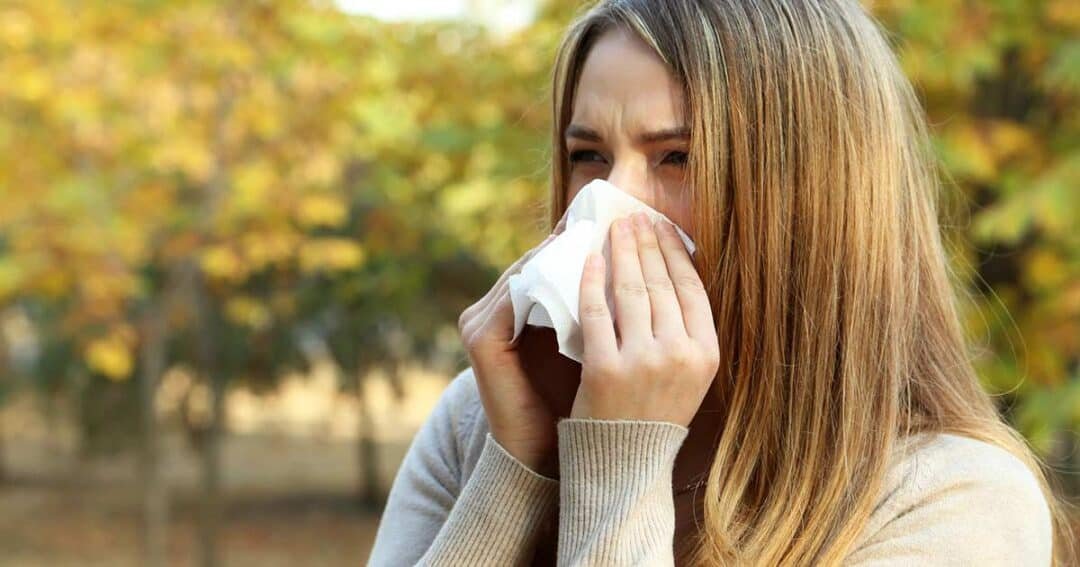
What used to be weeks of sneezing drags into months for many people. This pattern shows up everywhere, from cities to quiet countryside spots. Climate shifts aren’t silent – they show up in runny noses and tired eyes each year. The air feels heavier, loaded with more irritants than before. Breathing through spring takes more effort than it once did.
Plants now pump out pollen earlier because springs arrive faster. Longer stretches between cold snaps let them keep going well into what used to be winter months. Across numerous areas, the whole cycle drags on weeks past its old timeline. Earlier blooms plus delayed frosts stretch exposure without pause. More days breathing in irritants often lead to worse reactions – runny noses, blocked sinuses, eyes that burn. For many, discomfort lasts far beyond previous limits.
Rising pollen counts come down to how much CO₂ fills the air today. This gas boosts plant growth, almost feeding them extra energy. Beyond quantity, the quality shifts too – pollen often carries stronger allergens now.
Warmer seasons arriving sooner shift how plants release pollen. Because of climate shifts, springtime triggers start weeks before normal. Unstable air patterns keep irritants floating longer each year.
Fumes from cars and factories mix with pollen, changing how it affects people. This blend hits the lungs harder than pollen alone. Cities see worse reactions when dirty air meets plant particles. Breathing trouble spikes during these times.
Fresh shifts in nature’s balance bring unfamiliar allergy sources. When heat climbs, troublesome pollens – say, from ragweed – migrate beyond old borders. People once untouched by such reactions now face them, out of nowhere. A quiet twist in the air changes who reacts, and why.
Pollen counts climb. Seasons stretch on. Experts point out how dirty air mixes with changing plants to make springs harder than before. More people struggle now. Not only does sneezing increase, but breathing too grows heavy across crowded cities and quiet towns alike. A slow shift – seen over years – now reaches deeper into lives once untouched.
Conclusion
Pollen sticks around longer now, thanks to warmer springs nudged by a changing climate. City air mixes with tree dust, making sniffles worse for many. Breathing easy means noticing triggers before they flare up. Staying ahead of sneezing fits often comes down to small steps taken early. Medicines work better when used not after chaos hits but just as signs appear. Lungs stay healthier when responses aren’t delayed until everything feels raw.
Faqs
1. How does air pollution make allergies worse?
A: Pollen splits apart when exhaust fumes mix with it midair, slipping farther into breathing passages than before. Tiny fragments dig deep because traffic soot changes their shape while drifting. Breathing gets harder since jagged bits scrape airways more sharply now.
2. What role do rain and extreme weather play in allergies?
A: Falling drops might clear the sky of pollen for a short time. Yet greener plants grow after wet days instead. Storms crack open grains into fine pieces during lightning bursts. These small bits travel farther through breezes than. Reactions in sensitive people often worsen because of it.
3. Could city living make allergy problems worse?
A: Fumes in city air tend to sharpen sneezing fits, especially when tree dust fills the streets. Polluted skies mixed with crowded greenery crank up sniffles far beyond what quieter areas face.
4. What can people do to manage worsening spring allergies?
A: When pollen counts rise, heading inside cuts contact. Shutting windows stops outdoor particles from drifting in. Air filters clean what floats around indoor spaces. Getting wet under the shower removes traces stuck on skin or hair. Pills found at any pharmacy block some reactions triggered by allergens. Talking to a health expert makes tough cases easier to handle.