






Something feels… off lately. Not in a dramatic, headline-grabbing way. More like a slow shift you might miss unless you’re paying attention. Clinics are seeing more stomach infections. Families are dealing with sudden bouts of diarrhea that seem to come out of nowhere. And behind many of these cases, two familiar but stubborn culprits keep showing up: Rotavirus and Shigella infections.
Public health experts are starting to notice a pattern. There’s growing concern that diarrhea-causing germs on the rise may not just be a seasonal blip. It might be something deeper, more layered, tied to behavior changes, hygiene gaps, and even post-pandemic lifestyle shifts.
Let’s unpack what’s really going on here.
A Quiet Comeback No One Was Really Expecting
For a while, it seemed like certain infections had settled down. Lockdowns, better hygiene, constant handwashing all of that helped reduce transmission. But now? Things are rebounding.
In fact, some experts would argue that diarrhea-causing germs on the rise reflects a kind of “immunity gap.” People, especially young children, weren’t exposed to common pathogens for a period of time. Now exposure is happening again, sometimes more abruptly than expected.
And when that happens, infections can hit harder.
Rotavirus and Shigella infections are leading examples. One viral, one bacterial. Different in structure, but similar in how disruptive they can be to everyday life.
What Exactly Are Rotavirus and Shigella?
It might help to slow down here for a second.
Rotavirus: The Fast-Moving Viral Trigger
Rotavirus is a virus that mainly affects infants and young children. It spreads easily, often through contaminated hands, surfaces, or food. Once it enters the body, it targets the intestines.
Symptoms show up quickly. Watery diarrhea. Vomiting. Fever. Sometimes all at once.
Even with vaccines widely available, Rotavirus and Shigella infections involving rotavirus still occur, particularly in areas where vaccine coverage isn’t consistent.
Shigella: A Bacterial Troublemaker
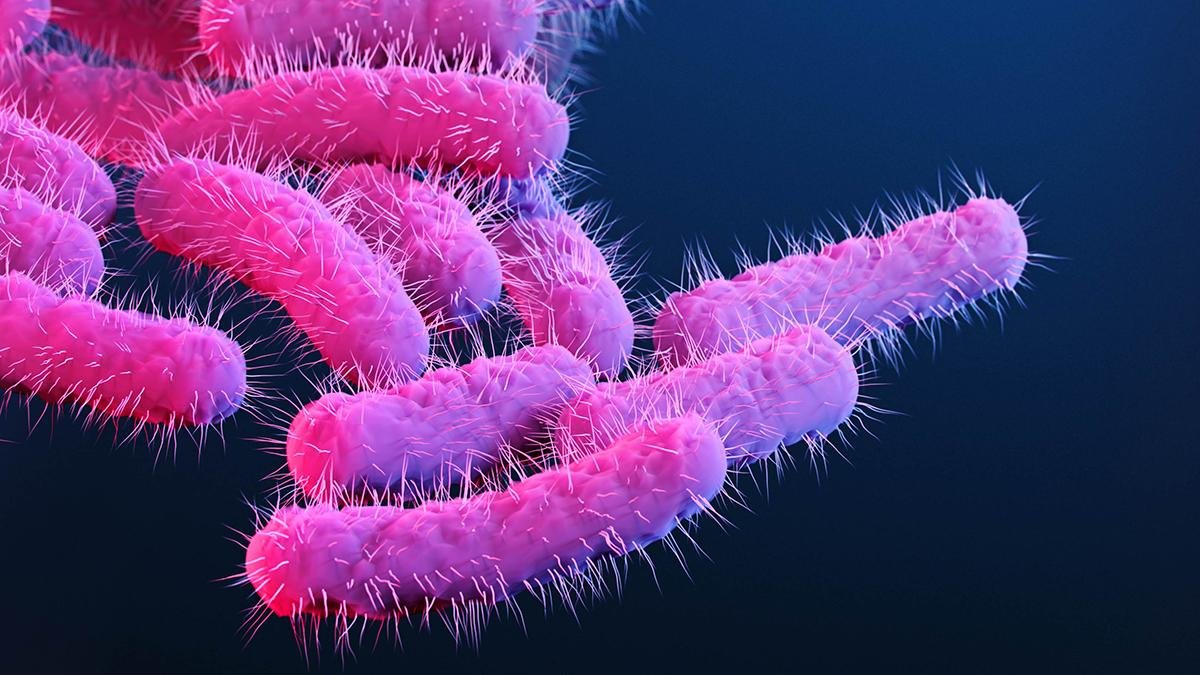
Shigella, on the other hand, is a bacterium. It causes a condition often referred to as dysentery. The symptoms can be more severe than those of rotavirus in some cases.
We’re talking about:
- Bloody diarrhea
- Abdominal cramps
- Fever
- Urgent need to use the bathroom
And here’s the tricky part. Shigella spreads with very small exposure. It doesn’t take much. Poor sanitation, contaminated water, or even person-to-person contact can set it off.
Together, Rotavirus and Shigella infections represent two of the most common drivers behind gastrointestinal illness worldwide.
Why Are These Infections Increasing Now?
There isn’t just one reason. That would be too simple.
Instead, think of it as a mix of factors, all overlapping.
1. Hygiene Fatigue
At one point, everyone was hyper-aware of hygiene. Now, habits may have relaxed. Less frequent handwashing. Less surface cleaning. It’s subtle, but it adds up.
2. Changes in Immunity
Children who missed early exposure to common pathogens may now be more vulnerable. That could partly explain why diarrhea-causing germs on the rise is becoming a talking point again.
3. Food and Water Safety Gaps
In some regions, safe drinking water and proper food handling remain inconsistent. Even small lapses can create the perfect environment for bacteria like Shigella.
4. Travel and Mobility
People are moving more again. Traveling, eating out, and interacting in crowded spaces. All of this increases exposure risk.
5. Antibiotic Resistance
This one is concerning. Some Shigella strains are becoming harder to treat due to resistance. That doesn’t cause infections directly, but it makes them more difficult to manage.
So yes, Rotavirus and Shigella infections are rising, but not in isolation. They’re part of a broader pattern.
Symptoms You Shouldn’t Ignore
Sometimes people brush off diarrhea as something minor. And often, it is. But not always.
Watch for:
- Persistent diarrhea lasting more than a few days
- Signs of dehydration, such as dry mouth, dizziness, or low urine output
- Blood in stool
- High fever
- Lethargy, especially in children
In cases linked to Rotavirus and Shigella infections, symptoms can escalate quickly, especially in young children or older adults.
You might notice a child becoming unusually quiet. Or refusing fluids. That’s often where things shift from mild to concerning.
And honestly, it’s better to act early than wait.
How These Germs Spread So Easily
This part tends to surprise people.
You don’t need a dramatic exposure event. No obvious contamination. Sometimes it’s as simple as:
- Touching a contaminated surface
- Eating food handled by someone who didn’t wash their hands
- Drinking unsafe water
- Close contact in schools or daycare settings
Shigella, in particular, spreads with astonishing efficiency. It takes only a tiny amount of bacteria to cause an infection.
That’s one reason why diarrhea-causing germs on the rise is not just a healthcare issue. It’s a daily life issue.
Prevention Isn’t Complicated, But It Does Require Consistency
Here’s the thing. Prevention is not some complex medical protocol. It’s mostly about small, repeated actions.
- Wash your hands properly and regularly
- Ensure safe drinking water
- Wash fruits and vegetables thoroughly
- Avoid food from questionable sources
- Keep children’s environments clean
- Stay up to date with vaccinations, especially for rotavirus
Simple steps, yes. But consistency is where people often slip.
And when those habits break down, even briefly, Rotavirus and Shigella infections find their way back in.
Treatment: What Usually Works and What to Watch For
Treatment depends on the cause.
For Rotavirus
There’s no specific antiviral treatment in most cases. Care is supportive:
- Hydration is critical
- Oral rehydration solutions help replace lost fluids
- Rest and monitoring
For Shigella
Sometimes antibiotics are used, but not always. It depends on severity and resistance patterns.
Again, hydration remains the cornerstone.
In both cases, early attention matters. Especially because diarrhea-causing germs on the rise can lead to more severe dehydration if ignored.
Why Children Are More Vulnerable
Children don’t always communicate symptoms clearly. They might not say, “I feel dehydrated.” They just become quiet. Or irritable. Or unusually sleepy.
Their bodies also lose fluids faster.
That’s why Rotavirus and Shigella infections are particularly concerning in younger age groups. What seems like a minor stomach bug can escalate quickly.
Parents often notice the change before they fully understand it. Something just feels different.
That instinct is worth trusting.
A Broader Public Health Concern
If you zoom out a bit, this isn’t just about individual cases.
The rise in diarrhea-causing germs on the rise points toward systemic gaps. Sanitation, awareness, access to clean water, vaccine coverage, all of these play a role.
And while progress has been made over the years, these recent patterns suggest that gains can be fragile.
It doesn’t take much for things to reverse slightly.
FAQs
1. What are the main causes of Rotavirus and Shigella infections?
Rotavirus is caused by a virus that spreads through contaminated hands, food, or surfaces. Shigella is a bacterium, often linked to poor sanitation or contaminated water.
2. Why are diarrhea-causing germs on the rise again?
Several factors may contribute, including reduced hygiene vigilance, changes in immunity, increased travel, and gaps in sanitation.
3. Are Rotavirus and Shigella infections dangerous?
They can be, especially for children, older adults, or people with weakened immune systems. Dehydration is the main risk.
4. How can I prevent these infections at home?
Regular handwashing, safe food practices, clean drinking water, and vaccination against rotavirus are key preventive steps.
5. When should I see a doctor for diarrhea?
If symptoms last more than a few days, include blood in stool, or signs of dehydration appear, medical attention is recommended.
6. Can adults get Rotavirus and Shigella infections?
Yes, though children are more commonly affected. Adults can still contract and spread these infections.
7. Is there a vaccine for these infections?
There is a vaccine for rotavirus, primarily given to infants. There is currently no widely used vaccine for Shigella.
A Final Thought
Maybe this isn’t a crisis. Not exactly. But it does feel like a reminder.
Health patterns shift quietly sometimes. No big announcements. Just small signals, repeated often enough that they start to matter.
Rotavirus and Shigella infections showing up more frequently could be one of those signals. And the idea of diarrhea-causing germs on the rise might not be alarming on its own, but it does nudge us to pay closer attention.
Not out of fear. More like awareness. Because in the end, a lot of prevention still comes down to everyday choices. Small ones. Repeated often. And those, more than anything else, tend to shape what happens next.