



Horses get gelatin as a form of broken-down collagen, from animal parts like skin and bones, comes a substance horses receive gelatin. It’s essentially collagen split into simpler pieces. Glycine and proline inside help support how the body fixes itself. Instead of forcing change, it works alongside existing healing paths. Joints feel smoother, hooves grow stronger, and even fur gains luster over time. Instead of just adding bulk, it gives building blocks where they’re needed most. It is commonly used for joint pain and hoof improvement.
What is Gelatin?
Water heat transforms collagen, found in animal tissue, into a substance known simply as gelatin. This material forms when long protein chains slowly split apart at high temperatures. A shift occurs at molecular level, giving rise to texture changes once cooling sets in. What emerges holds liquids tightly, builds body in mixtures, and resists separation over time. Structure defines its role, not any added claim or promised result.
From horses, horse gelatin originates, carrying traits much like those found in other animal-based versions. Its makeup acts in ways close to what you see elsewhere among these kinds of substances.
Sources and Production of Horse Gelatin
Raw Materials
Horse gelatin is produced from:
- Horse skin
- Bones
- Tendons and ligaments
From deep within these substances flows a dense network of collagen. That richness opens the door to pulling out gelatin quite effectively. Structure by structure, the fibers lend themselves to separation when treated right.
Production Process
The manufacturing process involves several steps:
1. Cleaning and Preparation
After cleaning, raw horse tissues lose their dirt. Fat comes off during processing. Impurities get taken out, too.
2. Pretreatment
Poured over with acid or soaked in alkali, the materials begin to loosen their tight formations. Collagen slowly separates when these substances unwind the tangled networks inside. Preparation happens as harsh solutions dissolve what binds the fibers tightly together.
3. Extraction
Water carries heat that transforms collagen inside the processed stuff. Gelatin shows up once the change finishes.
4. Filtration and Purification
Pouring through a fine mesh, the liquid sheds leftover particles. Traces of unwanted matter vanish during the process.
5. Concentration and Drying
After purification, the gelatin mix grows thicker as water leaves it behind. Once dense enough, moisture gets removed slowly through heat. From there, what remains turns into solid forms – either fine dust, flat layers, or tiny bits. Shape depends on how machines handle the drying stage.
What’s Inside and What It Provides
Protein makes up most of horse gelatin, with collagen-based amino acids playing a major role. Among the main parts are:
- Rest well when glycine steps in. Skin feels smoother over time because of it. Joints move more easily, thanks to their role behind the scenes. Sleep grows deeper, quietly night after night. This amino acid pulls shifts most forget exis.t
- Collagen’s shape depends heavily on proline. Yet hydroxyproline locks that form in place. One builds, the other stabilizes. Without them, strength fades fast. Structure follows their presence. Stability rises when both are active. Their role? Quiet but total
- Glutamic acid – involved in metabolism
Nutritional Highlights
- High protein content (about 85–90%)
- Low in fat and carbohydrates
- Contains no cholesterol
- Might miss key building blocks such as tryptophan. Falls short of being a full protein source
Physical and Chemical Traits
From horses comes a form of gelatin just like others – its behavior fits the usual pattern seen across similar substances
- Once it cools down, a firm texture sets in place. This change happens only if first mixed in boiling liquid. The shift from fluid to jelly-like state shows clearly at lower temperatures. Cooling is essential for the structure to lock in. What was once runny becomes thick and sticky.
- Thermoreversibility – melts when heated and solidifies when cooled
- Transparency – produces clear gels
- Fine flavor, no smell – works well where food is involved
Starting strong, gelatin’s toughness gets rated using something called Bloom value – this number shows how stiff the jelly will set. Depending on what it needs to do later, horse-made gelatin comes ready in different levels of that stiffness.
Horse Gelatin Uses
1. Food Industry
Horse gelatin can be used similarly to other gelatins in:
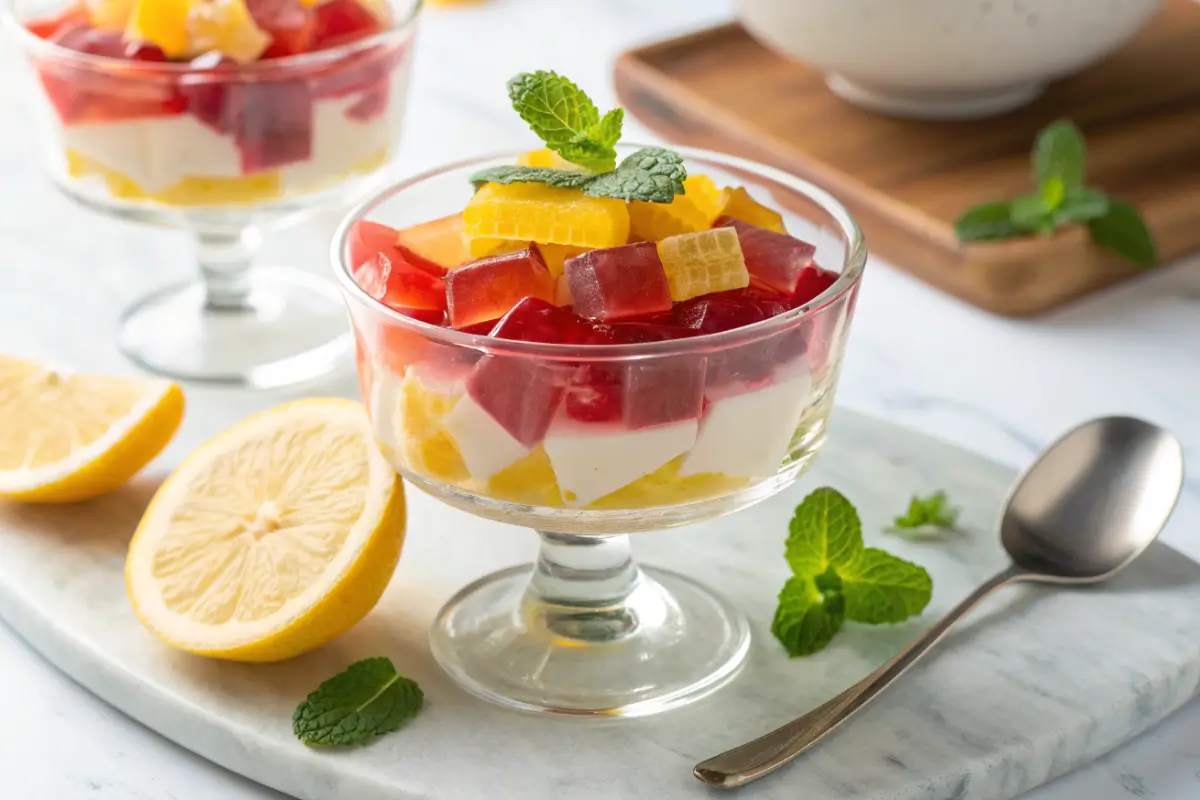
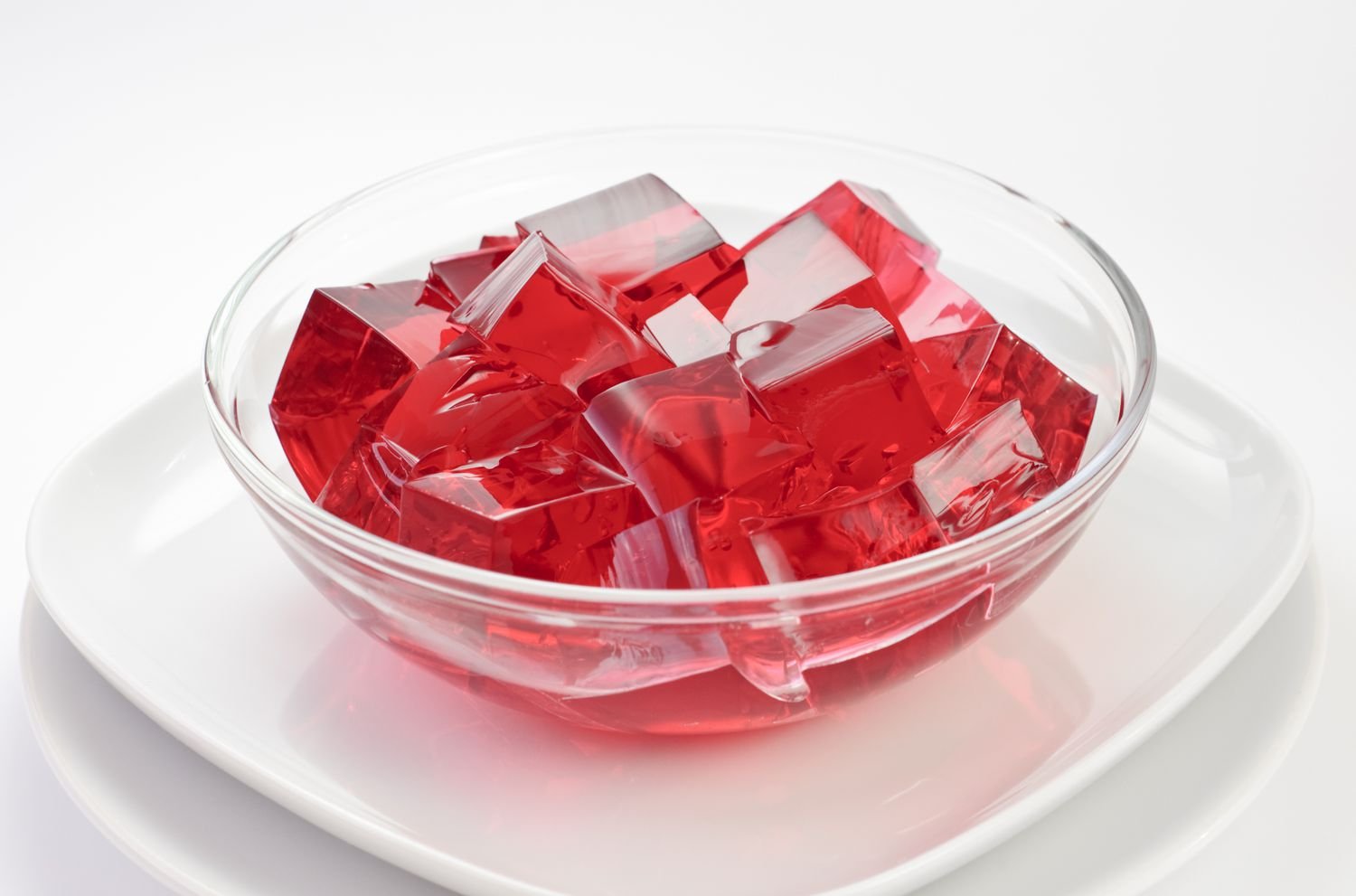
- Jelly and desserts
- Marshmallows
- Yogurt
- dairy products
- Ice cream
- Confectionery items
Still, putting it into food faces restrictions across numerous nations because of local tastes alongside legal rules.
2. Pharmaceutical Industry
Horse gelatin plays a key role in making medicines. Its properties help form capsules that dissolve properly inside the body. Some medications rely on it for stability during storage. It also helps deliver active ingredients at the right pace. Without such materials, certain drugs would be harder to produce safely. ely
- Some pills come in shells that dissolve easily. These coverings hold medicine inside. Gel-based types can be firm or flexible. The rigid ones break down slowly. Soft versions melt fast when swallowed. Each type keeps ingredients safe until digestion begins. gins
- Coating agent – protects drugs and controls release
- Plasma expanders – gelatin-based solutions used in medical treatments
From time to time, horse gelatin shows up when people need a substitute for reasons tied to faith or food rules. Sometimes it fills the gap left by more common options. Not everyone chooses it freely – some turn to it out of necessity. Where other forms won’t do, this one steps in quietly. It moves into place without fanfare, simply because nothing else fits. For certain diets or beliefs, there’s little choice but to accept what works.
3. Cosmetics and Personal Care
Horse gelatin is used in:
- Skin creams and lotions
- Hair care products
- Anti-aging formulations
From collagen, it pulls elements that boost how springy the skin feels, plus hold moisture better.
4. Industrial Applications
Horse gelatin is also used in:
- Photography (historically in film emulsions)
- Paper production
- Adhesives and glues
- Textile processing
Horse Gelatin Benefits
- Protein-packed means good things happen inside your body. A solid amount shows up on labels for a reason. This stuff supports how you feel each day. What you eat matters more than most think. Stronger meals often come with extra protein by design
- Versatility – wide range of applications
- Smooth blending ability – just like different kinds of gelatin
- Another option pops up when cow or pig gelatin won’t work. It steps in quietly, filling gaps without fuss
Disadvantages and Limitations
- Only a few made worldwide – hard to find sometimes. Production stays low across most regions.
- Horses aren’t eaten everywhere. In certain places, it feels wrong to many people. Tradition shapes what’s acceptable on a plate. Some cultures draw lines at animal use. Beliefs pass through generations quietly. Eating habits reflect deeper values often unseen. Respect shows up in food choices without words. What seems normal elsewhere might shock here. Attitudes stick strong even when questioned. Quiet resistance guards long-held views
- Where rules block it, this ingredient stays off menus. Some nations say no to eating it. Approval gaps mean it misses out there. Not every place welcomes its presence on plates. Laws hold it back where trust runs thi.n
- Even if it happens just once in a while, certain people might experience reactions.
Health Effects of Gelatin, Such as From Horses
Even when studies talk about gelatin broadly, what they find still holds for the kind made from horses
1. Joint Health
From time to time, gelatin brings amino acids into play – ones that help keep cartilage working well. This might just ease discomfort in joints, along with lessening stiffness when moving.
2. Skin Health
From collagen, certain substances help skin stretch better while cutting fine lines. Moisture levels rise when these elements get to work. Wrinkles fade a bit each day thanks to their presence. Hydration climbs as the days pass under their influence.
3. Digestive Health
Gelatin may help:
- Strengthen the gut lining
- Improve digestion
- Decrease inflammation
4. Bone Strength
Bone strength gets amino acids, gelatin supports strong bones while helping the skeletal system stay on track. Bones benefit quietly behind the scenes as these building blocks do their job.
5. Sleep and Mental Health
Glycine in gelatin has been linked to:
- Improved sleep quality
- Reduced anxiety
- Better cognitive function
Safety and Rules
Food Safety
Horse gelatin has to pass tough safety rules, such as these here
- Proper sourcing of animals
- Disease control
- Hygienic processing
Regulations
Different countries have different rules regarding horse-derived products:
- While some permit its use in medicines, others draw the line at food
- Some places limit how it can be used. Others have completely outlawed it
Ethical and Cultural Considerations
- Horse gelatin brings up moral concerns across various cultures
- Eating anything made from horses? That’s off-limits in places such as India and the United Kingdom. Though legal elsewhere, it sits wrong with cultural norms there. Tradition blocks acceptance even if laws allow. Some see horses as companions, never food. Religious views shape habits heavily across those regions. Because of that, trade stays quiet where beliefs run deep
- France and Italy show higher acceptance
Faith matters here, too
- Most views see it as neither halal nor kosher
- Some folks who skip animal products might steer clear of this
Environmental Impact
The production of horse gelatin, like other animal-based products:
- Use of animal resources
- Energy consumption in processing
- Waste management
Still, making gelatin might count as eco-friendly since it uses leftovers from meat processing, which means fewer trash piles up.
Future Prospects
Horse gelatin might catch interest where tastes differ, driven by the rising need for less common options. Not everyone looks at it now, yet shifts in preference could open small but steady corners of trad.e
- Pharmaceutical industries seeking specific properties
- Regions with fewer restrictions
- Specialized industrial applications
Meanwhile, options such as agar-agar and pectin – drawn from plants – are seeing a rise in use, particularly with people who avoid animal products.
Conclusion
From horse collagen comes a protein-packed material much like other gelatins. Most folks skip eating it, even if it pops up in pills, lotions, or factories – comfort levels dip when tradition, beliefs, or boundaries get involved. In niches where standard options fail, this version steps in quietly. How long it stays relevant hinges less on performance than on values and planet-friendly choices moving forward. Horse gelatin walks a narrow path between need and acceptance.
Faqs
1. What is horse gelatin?
A: Built from collagen found in equine hides, bones, and connective parts, horse gelatin takes shape through slow processing. This soft, jelly form shows up across sectors – medicines rely on it, so do skincare items, even certain foods now and then. From raw tissue to functional ingredient, transformation happens step by careful step.
2. Where is horse gelatin commonly used?
A: Horse gelatin finds its way into medicine first – capsules rely on it heavily. Creams plus shampoos sometimes carry traces too. Industry uses pop up here and there, quiet but steady. Food? Not so much. That role stays small by comparison.
3. Could horse gelatin be good for you? Maybe it helps the body in some ways.
A: True, horse gelatin has amino acids – these might help joints stay strong. Joints could feel better over time because of it. Skin often becomes more stretchy when using this substance. Digestive systems sometimes work more smoothly, too. Sleep patterns? They tend to get deeper thanks to glycine found inside.
4. Can vegetarians or vegans consume horse gelatin?
A: Besides coming from animal sources, horse gelatin doesn’t fit vegetarian or vegan diets either.
5. Why is horse gelatin not widely used in food?
A: Horse gelatin appears rarely on ingredient lists – beliefs around animals shape what people eat. Some avoid it due to moral questions about using horses. Faith traditions block their place in certain diets. Acceptance stays low across continents for reasons rooted in history. Availability shrinks further where taboos exist.