






There’s been a shift lately. You can feel it in conversations, in clinic visits, even in casual chats between friends who normally wouldn’t talk about medication at all.
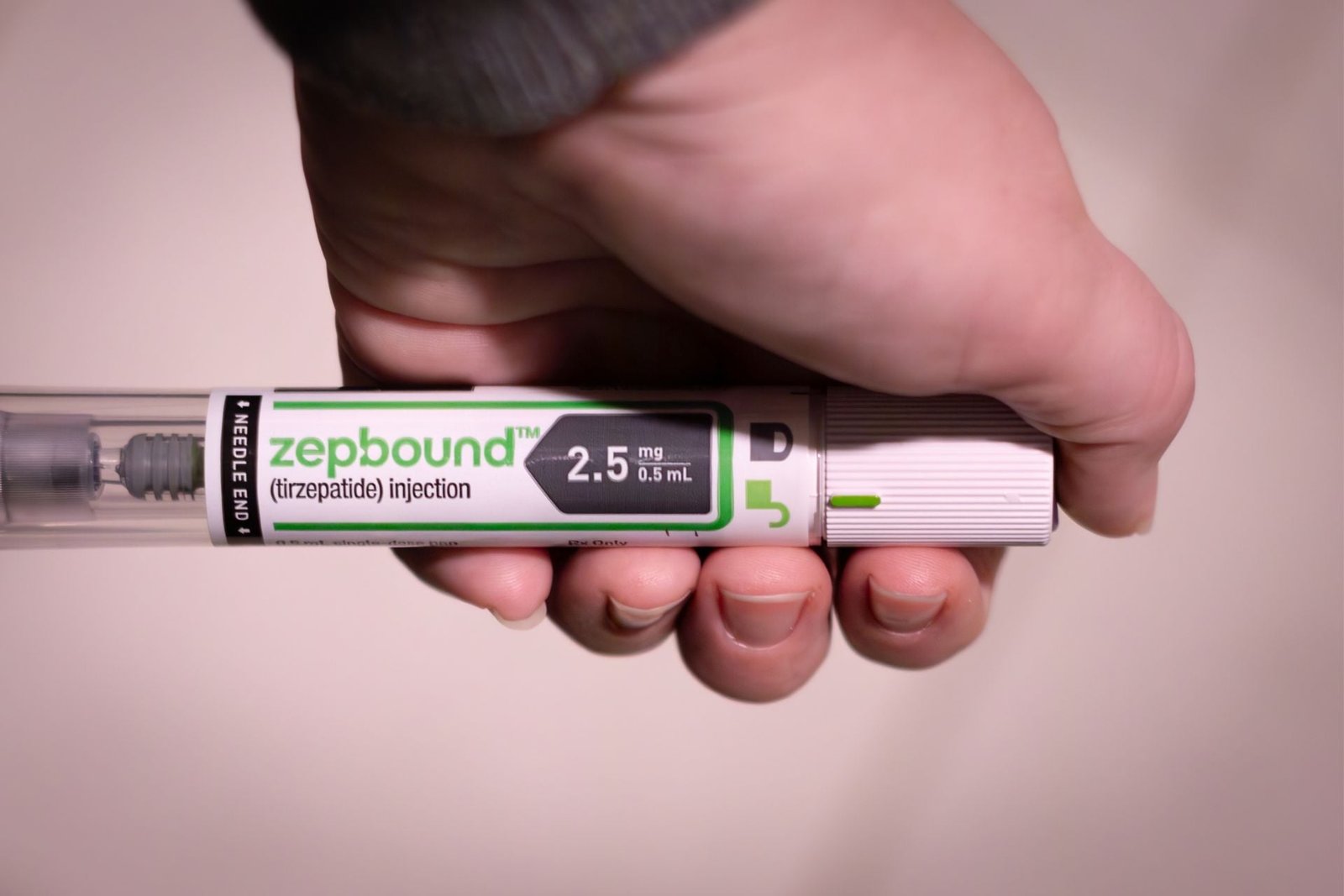
Weight loss, once framed mostly around willpower and discipline, is now being discussed in a different light. More clinical. More nuanced. And right at the center of that shift sits the Zepbound weight loss drug, a newer option that’s getting a lot of attention.
But attention doesn’t always mean clarity.
Because once you look beyond headlines, the story of tirzepatide for weight loss becomes more layered. Not confusing exactly, but definitely more complex than a quick success story.
Let’s slow this down a bit and walk through it properly.
What Is Zepbound, Really?
The Zepbound weight loss drug is an injectable medication approved for chronic weight management in adults who are either obese or overweight with related health conditions.
That’s the official definition. But in simpler terms, it’s a medication designed to help people lose weight by working with the body’s natural hunger and digestion signals.
It contains tirzepatide, which you might recognize from another medication used for type 2 diabetes. That overlap is not accidental.
Tirzepatide for weight loss builds on the same biological pathways, just applied in a different context.
How Tirzepatide Works Inside the Body
This is where things start to get interesting.
Tirzepatide doesn’t just do one thing. It acts on two hormone systems, GLP-1 and GIP, both of which are involved in regulating appetite, insulin, and digestion.
Now, that sounds technical. So let’s translate it.
It may:
- Help you feel full sooner
- Reduce hunger signals
- Slow how quickly food leaves your stomach
- Improve how your body handles blood sugar
Taken together, these effects can lead to reduced calorie intake without the constant mental effort of dieting.
That’s why tirzepatide for weight loss is often described as working “with” the body rather than against it.
Still, that doesn’t mean it’s effortless. That part sometimes gets overstated.
The Results People Are Talking About
You’ve probably seen the numbers. Clinical trials suggest that people using the Zepbound weight loss drug may lose a significant percentage of their body weight over time.
In some cases, quite substantial.
But numbers can be misleading if you don’t look closely.
Because:
- Results vary widely
- Not everyone responds the same way
- Lifestyle still plays a role
Some people experience steady, noticeable weight loss. Others see slower progress. A few may not respond as expected.
So while tirzepatide for weight loss shows strong potential, it’s not a guaranteed outcome.
A Quick Real-Life Style Scenario
Picture someone starting this medication.
The first few weeks feel different. Appetite decreases slightly. Meals become smaller without much effort. Cravings shift.
By month two or three, clothes fit differently. Energy might improve. Or sometimes, there’s a plateau.
It’s not linear. And that’s important to understand when evaluating the Zepbound weight loss drug. The journey rarely follows a straight line.
Side Effects: The Part People Hesitate to Talk About
Let’s not skip this. Every medication comes with trade-offs. And tirzepatide for weight loss is no exception.
Common side effects may include:
- Nausea
- Diarrhea
- Constipation
- Reduced appetite to the point of discomfort
- Fatigue in some cases
These often appear early and may improve over time. But not always.
Some people tolerate the Zepbound weight loss drug quite well. Others find the side effects harder to manage.
It’s very individual. Despite the excitement, the medication still requires long-term use and medical oversight, and weight regain can happen after stopping.
Who Is This Medication Actually For?
This part matters more than people think.
The Zepbound weight loss drug is not meant for casual weight loss or aesthetic goals alone.
It’s typically prescribed for:
- Individuals with obesity
- Those who are overweight with conditions like high blood pressure or type 2 diabetes
So while interest in tirzepatide for weight loss is growing, it’s not intended for everyone.
That distinction sometimes gets blurred in online discussions.
Lifestyle Still Matters, Even With Medication
Here’s something worth pausing on. It might seem like a medication that reduces appetite could replace lifestyle changes.
But that’s not really how it works in practice. People who tend to see the best results with the Zepbound weight loss drug often:
- Maintain some level of dietary awareness
- Stay physically active
- Build consistent routines
Not perfectly. Just consistently.
So yes, tirzepatide for weight loss can support the process. But it doesn’t fully replace the need for behavioral change.
The Mental Shift Around Weight Loss
There’s something else happening here, beyond the medication itself.
A shift in how we think about weight.
For a long time, weight loss was framed almost entirely as personal responsibility. Discipline, control, effort.
Now, medications like the Zepbound weight loss drug challenge that idea.
They suggest that biology plays a bigger role than we may have acknowledged.
That doesn’t remove personal responsibility. But it reframes it.
And that’s part of why tirzepatide for weight loss has sparked so much conversation.
Cost, Access, and Practical Considerations
Let’s be realistic for a moment. Access to this medication isn’t universal.
Factors that may affect availability include:
- Insurance coverage
- Cost of treatment
- Healthcare provider recommendations
Some people find it accessible. Others don’t.
So while the Zepbound weight loss drug is promising, it’s not equally available to everyone.
That’s an important part of the real-world picture. Price and access remain major issues, even as Eli Lilly has lowered the cost of some doses
What Happens If You Stop Taking It?
This question comes up often. And the answer is… it depends.
Some people maintain weight loss after stopping. Others may regain some weight over time.
Because the underlying biological signals that regulate hunger don’t disappear completely.
So when discussing tirzepatide for weight loss, it’s worth considering the long-term plan, not just the initial results.
Is This a Long-Term Solution?
Possibly. But not necessarily for everyone.
Some individuals may use the Zepbound weight loss drug for an extended period under medical supervision. Others may use it temporarily as part of a broader strategy.
There isn’t a one-size-fits-all answer.
And that uncertainty is part of what makes this topic feel… unfinished.
Safety and Medical Oversight
This is not a medication to start casually. Anyone considering tirzepatide for weight loss should do so under the guidance of a healthcare provider.
Because:
- Medical history matters
- Potential risks need evaluation
- Dosage adjustments require supervision
This isn’t just about effectiveness. It’s about safety.
A Balanced Perspective
It’s easy to swing to extremes. To see the Zepbound weight loss drug as either a breakthrough solution or something to be skeptical of entirely.
But the reality sits somewhere in between. It’s a tool. A potentially powerful one, but still just a tool.
And like any tool, its value depends on how, when, and why it’s used.
FAQs
1. What is the Zepbound weight loss drug?
It is an injectable medication containing tirzepatide, approved for chronic weight management in certain adults.
2. How does tirzepatide for weight loss work?
It affects hormones that regulate appetite and digestion, helping reduce food intake.
3. Is it safe for everyone?
No, it is prescribed based on individual health conditions and medical history.
4. How much weight can someone lose?
Results vary, but clinical trials show significant weight loss for many users.
5. Are side effects common?
Yes, especially early on, including nausea and digestive issues.
6. Do you need to diet while using it?
Healthy habits still support better outcomes.
7. Is this a permanent solution?
Not necessarily. Long-term results depend on multiple factors.
A Final Thought That Doesn’t Fully Settle
There’s something about this moment in healthcare that feels… transitional.
We’re starting to understand weight in a more complex way. Less about blame, more about biology. Less about quick fixes, more about systems.
The rise of the Zepbound weight loss drug reflects that shift. And tirzepatide for weight loss, while promising, doesn’t close the conversation. It opens it.
About how we treat weight. How we support people. How we balance medical tools with human experience.
The answers aren’t fully formed yet. But maybe that’s okay. Because sometimes, progress doesn’t look like certainty. It looks like better questions.