






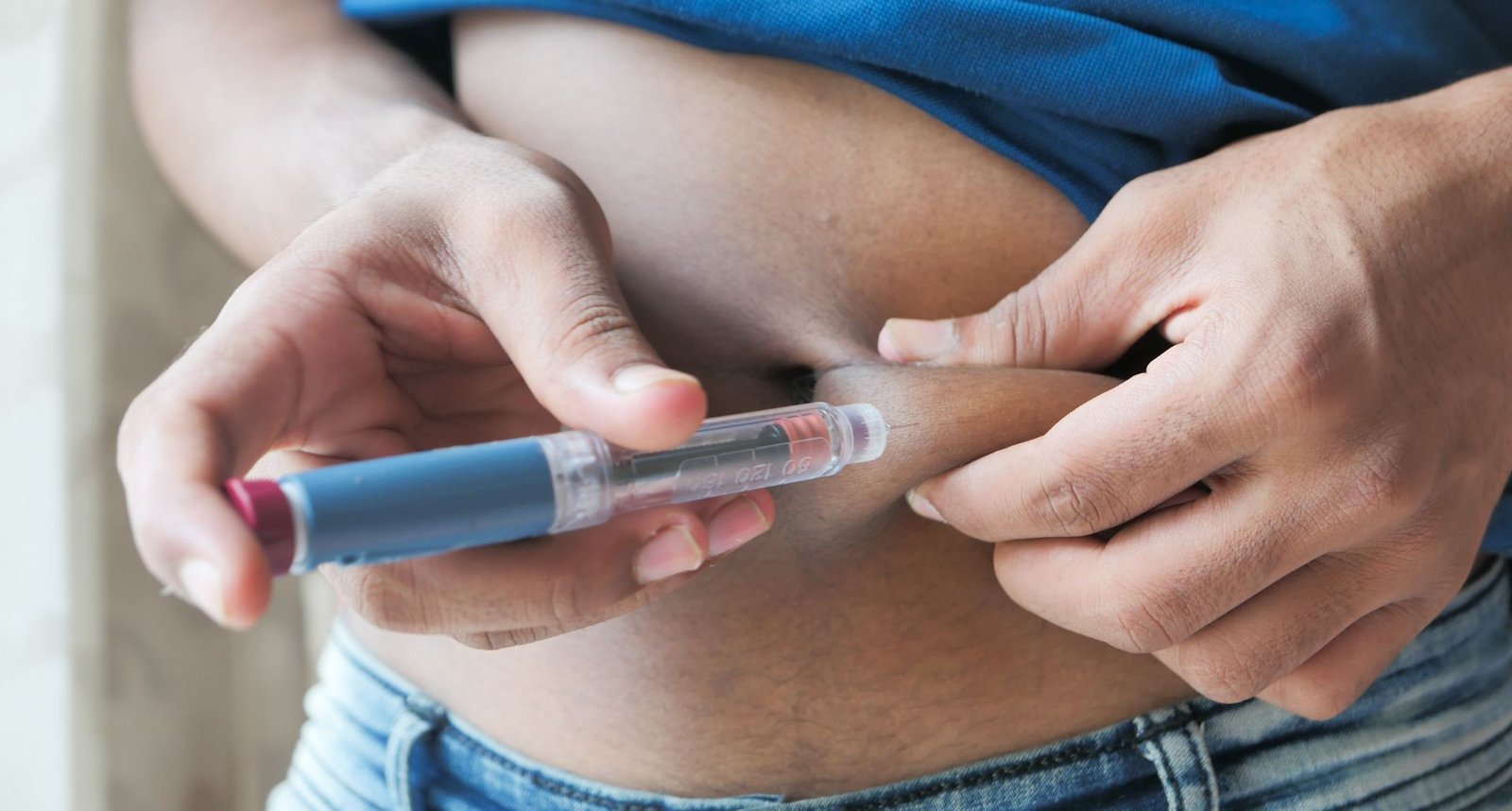
There is a kind of medical news that does not shout, yet still lands hard. This is one of those moments. The FDA has approved Awiqli, a once-weekly basal insulin for adults with type 2 diabetes in the United States, and that changes the rhythm of care in a very real way. Instead of a daily injection, patients now have a weekly option, which may sound small until you think about how much daily treatment can weigh on a person’s life.
For search purposes, the phrase once-weekly insulin shot is the one many readers will land on first, and honestly, it fits. It is simple. It is direct. A once-weekly insulin shot does not just change the schedule. It changes the feeling of the treatment, and sometimes that is what determines whether a person keeps going.
Why once-weekly insulin shot Matters
A daily insulin routine can become background noise in the hardest possible way. It is always there, always waiting, always part of the day. A once-weekly insulin shot sharply cuts that burden, and that may matter most to people who already feel worn out by the repetition of diabetes care. Reuters reported that the approval is the first FDA-cleared once-weekly basal insulin in the U.S., and Novo Nordisk described it as a new option for adults with type 2 diabetes who need help with blood sugar control.
There is also a more human layer here. Some people are fine with injections in theory, then slowly discover that “daily” becomes a problem in practice. Travel gets messy. Work shifts change. Family life gets loud. A once-weekly insulin shot might not sound dramatic from a distance, but in the middle of a busy life, it can feel like someone moved a heavy chair out of the hallway. Small change. Big relief.
The Pull of once-weekly insulin shot
Actually, the appeal is not only about convenience. It is also about follow-through. Diabetes treatment often breaks down where people are asked to do too much, too often, for too long. Weekly insulin could reduce that friction. Reviews of once-weekly insulins say the approach may lower treatment burden and could help adherence, which is a polite way of saying people may be more likely to stick with treatment when it does not feel so exhausting.
That is where the phrase once-weekly insulin shot keeps showing up for a reason. It is not a marketing trick. It is a clue to how this therapy may fit into real life. You might notice that many treatments look elegant on paper and awkward in a kitchen at 8:30 at night. Weekly insulin seems built to reduce that mismatch.
What once-weekly basal insulin Means
The medical name matters too. Awiqli is insulin icodec-abae, a long-acting basal insulin. It is not a rapid meal-time shot. It is meant to provide background insulin support over the week, which is why the FDA describes it as an adjunct to diet and exercise for improving glycemic control in adults with type 2 diabetes. That is a careful phrase, and it should be. Basal insulin is part of a broader management plan, not a replacement for everything else.
This is the point where once-weekly basal insulin becomes more than a technical label. It signals a different structure for care. Instead of repeating a daily step over and over, patients and clinicians can work with a weekly cadence. The FDA label says the efficacy of once-weekly dosing was studied in several randomized trials, including people using mealtime insulin and people using oral diabetes medicines or GLP-1 receptor agonists. So this is not a tiny experiment. It is a full clinical program.
When once-weekly basal insulin fits
Not every person with diabetes will want this, and not every person will need it. That sounds obvious, but it matters. Diabetes care is not one-size-fits-all. Some people do well on daily basal insulin. Others are looking for a simpler routine because the daily grind has become the hardest part of treatment. In those cases, once-weekly basal insulin may feel like a cleaner fit, especially if the goal is to reduce injection fatigue without giving up blood sugar support.
There is a real-world image that comes to mind. A person sets aside a Sunday reminder, takes their injection, and then gets on with the week. No daily mental checklist. No repeated decision-making. That may seem modest, but diabetes is often managed through a thousand little decisions, and anything that trims the list can matter. The literature on once-weekly insulins keeps returning to that same idea, which is that less treatment burden could mean better long-term use.
The Shape of type 2 diabetes treatment
The arrival of this insulin is also part of a bigger shift in type 2 diabetes treatment. For decades, basal insulin meant daily injections, and that was simply the accepted format. Now the format is changing, and when the format changes, patient behavior often changes with it. The FDA approval, the ONWARDS trial program, and the broader interest in weekly insulins all point toward a care model that is trying to be less intrusive and more livable.
That shift is not just cosmetic. A better-fitting treatment can reshape how people think about type 2 diabetes treatment itself. It may feel less like a punishment and more like a plan. Perhaps that is not quite the perfect way to say it, but it gets close. When patients believe treatment can actually fit inside their routines, they may be more willing to start and more willing to stay with it. That has always been one of the quiet battles in chronic disease care.
The Evidence Behind It
The clinical groundwork matters here. The New England Journal of Medicine reported earlier studies showing that once-weekly insulin icodec had glucose-lowering efficacy and a safety profile similar to once-daily insulin glargine in adults with type 2 diabetes. The FDA label also states that Awiqli’s approval was supported by multiple randomized, active-controlled trials. In other words, this is not a guess. It is a result built on actual trial data.
That matters because patients hear “new treatment” and often wonder whether new means rushed. Sometimes it does. Here, the evidence base is larger than that. Reviews published in peer-reviewed sources describe accumulating trial evidence suggesting weekly insulins can match daily basal insulin in glucose control, with a safety profile that is broadly reassuring in type 2 diabetes. That does not make the therapy perfect. It does make it serious.
Safety Still Needs Respect
Of course, insulin is still insulin. Side effects, dose adjustments, and hypoglycemia risk are not side notes. They are part of the deal. The FDA label includes warnings and describes this as a prescription therapy that requires proper monitoring. So while the weekly schedule is simpler, the medicine itself remains a real medical tool, not a lifestyle accessory.
That is where people sometimes get ahead of themselves. A friend hears “weekly shot” and assumes the whole thing is easier in every way. Not exactly. Easier to remember, yes. Easier to live with, maybe. But diabetes management still asks for attention, blood sugar monitoring, and a willingness to adjust when the body changes its mind. It often does.
Access Will Shape Reality
Then there is the part that decides who actually benefits. Pricing and access. Reuters reported that Awiqli will launch through Novo Nordisk channels, with self-pay costs expected to start around $299 for the lowest dose and rise to around $349 for higher doses, while insurance coverage may reduce out-of-pocket costs for some patients. The launch timeline also points to a broader rollout in the second half of 2026.
That may sound like a logistics note, but it is more than that. A treatment can be approved and remain out of reach for many people. That gap is real. It is one thing to hear about a once-weekly insulin shot in a headline. It is another thing to see whether a clinic, a pharmacy, and an insurance plan can make it workable in everyday life.
Real-world studies are still ongoing to track how the treatment performs outside clinical trials
What Comes Next?
On second thought, the biggest story may not be the approval itself. It may be what this approval signals about the future of diabetes care. Weekly insulin could open the door to more flexible treatment designs, more patient-centered routines, and maybe a little less dread around injections. That is not a cure. It is not some magical clean slate. But it is progress, and sometimes progress in chronic disease care looks exactly like that, one easier week at a time.
For people living with diabetes, a new option can be more than a new product. It can feel like a different relationship with treatment. Less clutter. Less repetition. Less of that nagging sense that the day is being interrupted again. The phrase type 2 diabetes treatment may sound clinical, but the lived experience behind it is often plain and personal. This new weekly insulin seems designed with that reality in mind.
FAQs
Q. What is Awiqli?
Awiqli is the first FDA-approved once-weekly basal insulin in the U.S. for adults with type 2 diabetes, designed to improve blood sugar control.
Q. How is it different from daily insulin?
It reduces injections from seven times a week to one, which may lower treatment burden and make routine care easier to manage.
Q. Does it work as well as daily insulin?
Clinical trials found glucose-lowering results similar to once-daily insulin glargine, according to NEJM and the FDA label.
Q. Who is it for?
It is approved for adults with type 2 diabetes who need better glycemic control, alongside diet and exercise, under medical supervision.
Q. Is it easier for patients?
It may be, especially for people who struggle with daily injections or treatment fatigue, though access and cost still matter a lot.
Q. What should patients watch for?
Like all insulin therapies, it still requires careful use, dose management, and monitoring for side effects or low blood sugar.