





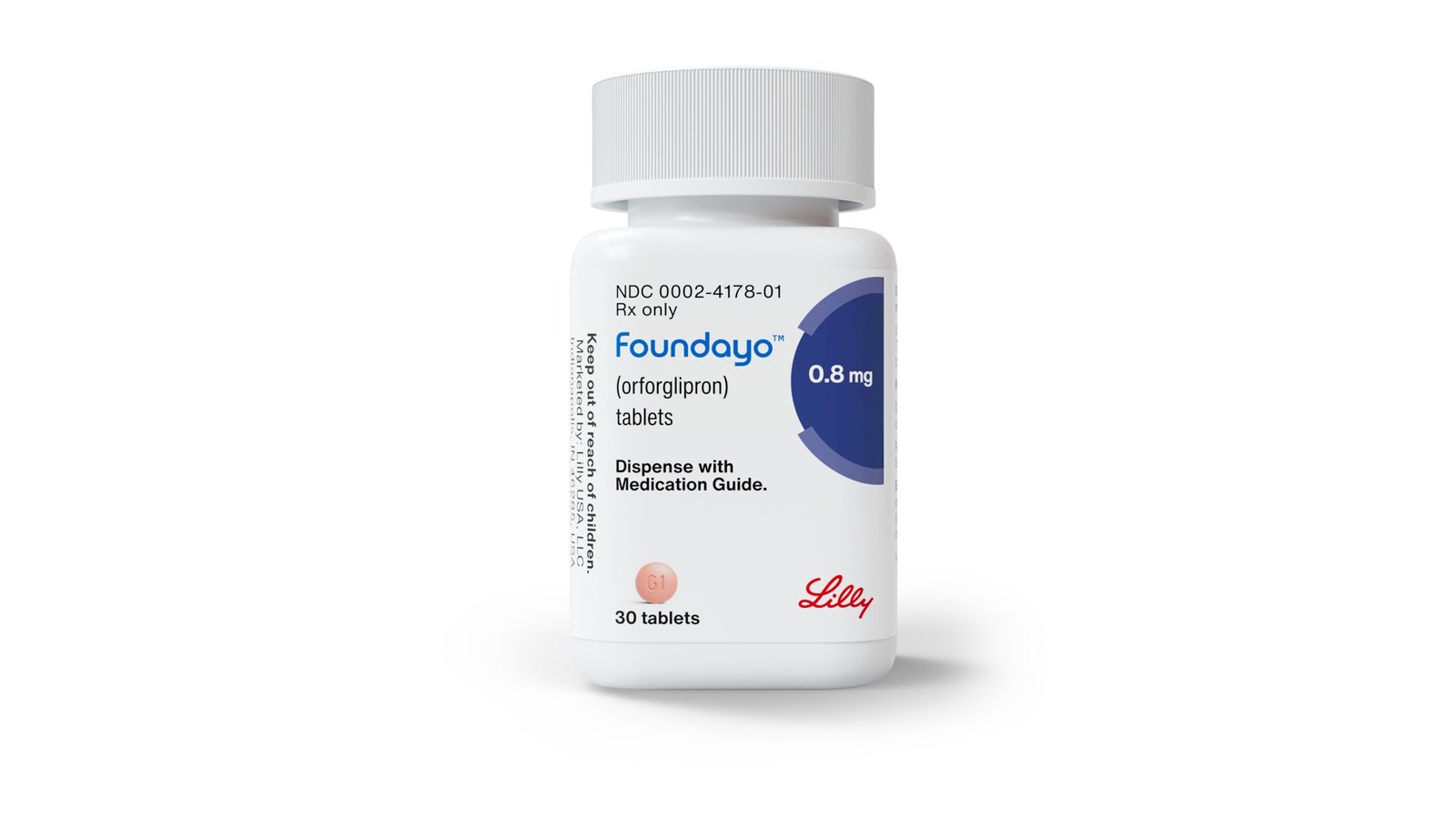
Something genuinely changed in the U.S. weight loss conversation, and it was not the loud, flashy kind of change that trends for a day and vanishes. The FDA approved Foundayo, Eli Lilly’s once-daily oral GLP-1 medication for adults with obesity or weight-related health issues, and that matters because the format is a pill, not an injection. That one detail changes the mood around the whole thing.
The first phrase many people will search is GLP-1 weight loss pill, and honestly, that makes sense. It sounds direct. It sounds useful. It also captures the odd little shift happening here, where a medication category that used to feel like a clinic-only conversation is suddenly something a person might imagine taking with breakfast, or lunch, or maybe not even breakfast, since this pill can be taken any time of day without food or water restrictions.
Why GLP-1 weight loss pill Matters?
For years, GLP-1 drugs were mostly talked about through injections. Wegovy and Zepbound made the category famous, but not exactly easy for everyone to embrace. Needles make some people tense up. Others simply do not want another weekly ritual hanging over them. The approval of a GLP-1 weight loss pill gives the category a different kind of reach, one that may fit into ordinary life a little more naturally.
That is the real story here, at least in practical terms. The medication is not winning attention only because it is new. It is getting attention because it lowers friction. If a drug is easier to start, easier to remember, and easier to keep taking, the odds of real-world use usually improve. That is not glamour. It is behavior. And behavior is where most health plans either work or fall apart.
What Changed Now
The FDA approved Foundayo, also known as orforglipron, on April 1, 2026, under the agency’s National Priority Voucher program. Reuters reported that Lilly will begin launching it through LillyDirect, with availability starting April 6, 2026. The company says adults taking the highest dose lost an average of about 27 pounds in trial data, which lines up with roughly 12 percent to 15 percent of body weight, depending on the report.
Actually, let me correct that last part more cleanly. The strongest numbers reported by Reuters, Wired, and Lilly’s own release point to about 27 pounds on the highest dose, with the press release calling it an average of 27 pounds in the ATTAIN-1 trial and other coverage describing about 12.4 percent weight loss. The exact framing differs by outlet, but the basic point does not: the drug produced clinically meaningful weight loss in trials.
How the GLP-1 weight loss pill Works?
GLP-1 is a hormone pathway that helps manage appetite and blood sugar. Drugs in this class mimic that signal, which can slow digestion, increase fullness, and reduce the urge to keep eating even after the body has had enough. That is why people often describe the effect in plain English rather than medical language. They say they feel satisfied sooner. They stop reaching for snacks so often. Meals get smaller without feeling forced.
That is the part people sometimes miss. A GLP-1 weight loss pill is not usually about dramatic deprivation. It is more like a volume knob being turned down a little on hunger and a little on impulsive eating. The effect can feel quiet at first, then surprisingly practical. You might notice you finish a meal and do not go looking for dessert out of habit. That small shift, repeated many times, can turn into weight loss over months.
Why Foundayo Doses Feel Different?
Foundayo is designed with multiple dose levels, which is not just a technical note. It is a side-effect strategy. Lilly and several news reports say the medication is introduced at lower doses and increased gradually, which is meant to help the body adjust and reduce problems like nausea, constipation, and stomach discomfort. In medicine, that kind of slow ramp-up is often where the real-world tolerability battle gets won or lost.
This is where the phrase oral weight loss medication starts to matter more than it may sound. Pills are easy to imagine, but they are not automatically easy to live with. People still need to take them consistently. They still need to handle side effects. They still need to keep expectations grounded. So yes, an oral weight loss medication is simpler than an injection, but simplicity is not the same thing as effortless.
Why oral weight loss medication Feels Different
The pill format changes the emotional math. That sounds a little vague, maybe, but it is true. Weekly injections ask for commitment in a very visible way. A daily tablet feels more ordinary, more like something that belongs in a medicine cabinet instead of becoming the center of the week. For many people, that difference may lower resistance enough to matter.
And there is another angle here. The FDA and coverage outlets note that Foundayo can be taken any time of day without food restrictions, which makes it less finicky than some other oral GLP-1 options. That sounds small on paper. In real life, it can be the difference between following treatment and quietly giving up on it because the timing rules are annoying.
Results Are Real, Not Magical
The trials do suggest meaningful weight loss, but not an overnight transformation. Reuters reported about 12 percent to 15 percent body weight loss, while Wired and Lilly’s release pointed to about 27 pounds on the highest dose. That is a serious result. It may improve blood pressure, movement, and metabolic health. It is still not a miracle, and it should not be sold like one.
This is where the marketing temptation gets tricky. People hear “weight loss pill” and imagine a neat solution. Then reality shows up, wearing sneakers and a skeptical face. The medication can help with appetite, yes, but habits still matter. So does sleep. So does food quality. So does time. In other words, the pill may create an opening, but the rest of the work still has to happen.
Side Effects Still Matter
The most common side effects reported across coverage are nausea, diarrhea, constipation, stomach discomfort, and similar gastrointestinal issues. That is not a footnote. It is part of the experience for many GLP-1 users. Some people tolerate the drug well, others do not, and that difference can decide whether treatment continues.
There is also the larger safety picture. Reuters noted that Foundayo carries an FDA boxed warning for increased thyroid tumor risk, similar to other drugs in the class. That is the kind of detail people should actually read, not skim past. Prescription weight-loss medication is not a wellness candy. It is a medical treatment with risks, benefits, and the need for follow-up.
Cost Shapes Access
This part may be the least glamorous and the most important. Reuters and other outlets reported self-pay prices starting around $149 per month for the lowest dose, rising to around $299 to $349 for higher doses. Lilly says commercial insurance may lower out-of-pocket costs, and some reports suggest Medicare coverage may expand later in 2026.
That price range changes who can realistically use the medication. A lot. A pill can be elegant in theory and still be out of reach in practice. So the story is not just “new drug approved.” It is also “who can actually get it, keep it, and afford it month after month.” That question is doing a lot of work here.
Shots Still Have A Role
It would be a mistake to assume pills replace injections overnight. Reuters and Wired both suggest the oral option expands the market rather than erasing the injectables. That sounds right. Some people will prefer shots because they already know what works for them. Others will wait for insurance. Others will choose the pill because, frankly, needles are not part of the deal they want to make with themselves.
So the better framing is not “which one wins.” It is “which one fits.” Medical treatment often looks better when that question is asked honestly. A treatment that someone can actually live with tends to matter more than a treatment that looks best on a chart.
The Bigger Shift
Maybe the most interesting part of this whole moment is not the pill itself. It is the way the conversation around obesity keeps moving away from moral judgment and toward biology, treatment, and access. That shift has been building for years, but new oral GLP-1 options make it harder to ignore.
People may still argue about who should use these drugs, how long they should stay on them, and whether the long-term costs make sense. Fair enough. Those are real questions. But the existence of a pill that can be taken without food restrictions, that can produce meaningful weight loss, and that may be easier to stick with than injections, changes the landscape, whether everyone likes it or not.
And perhaps that is where the story ends for now. Not with a neat final answer. Just a new option, a broader conversation, and a lot of people quietly wondering whether this time the tool might actually fit the life they are living.
FAQs
Q. What is the new GLP-1 pill?
It is Foundayo, a once-daily oral GLP-1 medication approved by the FDA for adults with obesity or weight-related health issues.
Q. How much weight can people lose?
Trial reports put weight loss at around 12 percent to 15 percent, with the highest-dose group losing about 27 pounds on average.
Q. Does it have to be taken with food?
No. Reuters and Lilly say it can be taken any time of day without food or water restrictions, which makes dosing much easier.
Q. What side effects should patients expect?
The common issues are nausea, constipation, diarrhea, and stomach discomfort, and the drug also carries important safety warnings.
Q. How much does Foundayo Weight Loss Pill cost?
Self-pay pricing begins around $149 per month and may rise to roughly $349 for higher doses, depending on insurance and access.
Q. Is this better than injections?
Not automatically. It is easier to take, but some injectable GLP-1 drugs may still deliver stronger weight loss for certain patients.