




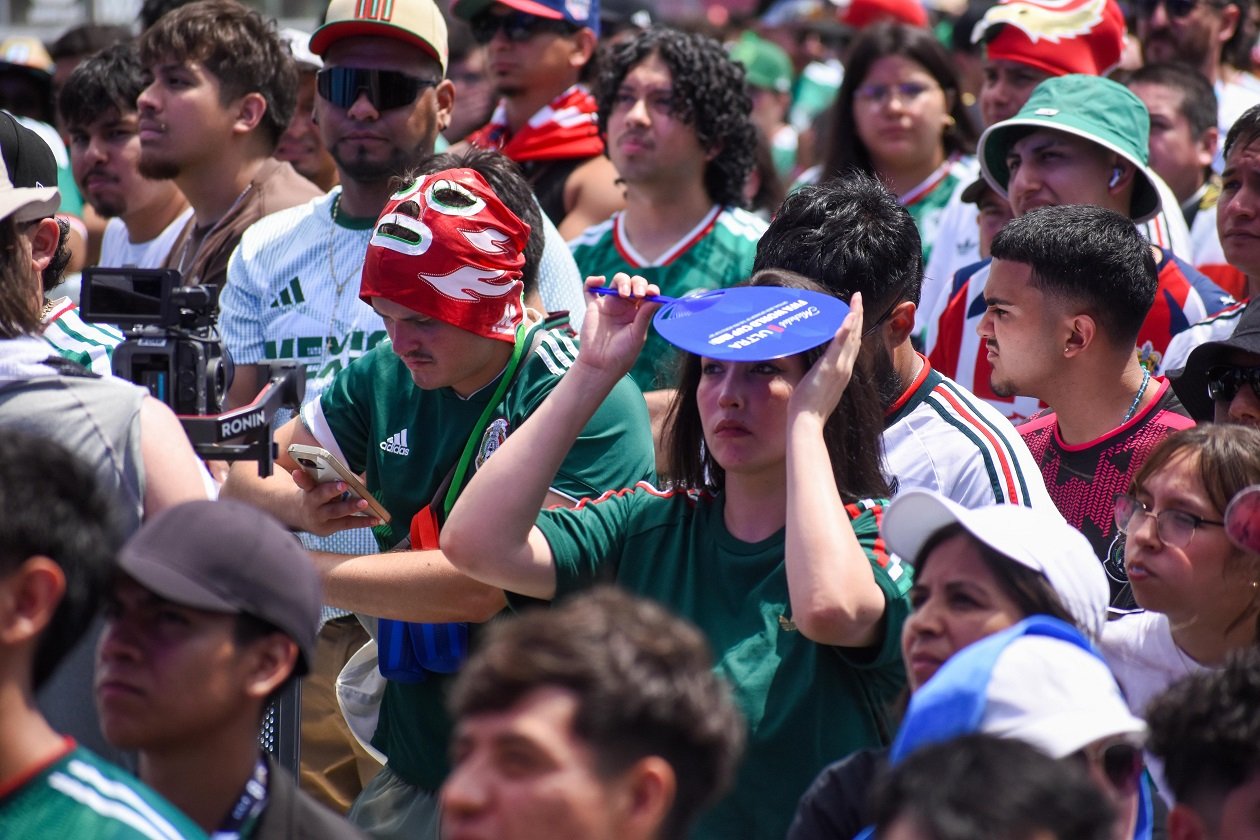
People move through borders just to feel matchday energy alongside others who care deeply about the game. Yet beneath those roaring crowds lies something often ignored – how tough it can be on the body and mind. Journeys stretch endlessly, venues pack tightly, climates surprise, meals disappoint, nerves wear thin, sickness spreads easily. All of it adds up without warning.
Understanding the biggest health risks during the FIFA World Cup
1. Heat Stress and Dehydration
Sweat begins to drip, then pour, when temperatures climb without relief.
Symptoms of dehydration include:
- Headaches
- Dark-colored urine
When symptoms get worse, they might turn into heat exhaustion or even heatstroke – these can be risky without care.
How to Stay Clear
- Start sipping early – thirst isn’t always honest. Sometimes, the body waits too long to speak up.
- Now and then, bring along a reusable water container. Sometimes it just makes sense to have one nearby.
- Too much booze or fizzy coffee water? That stuff pulls moisture out faster. Watch how often you sip them when fluids matter.
- Start light when picking clothes – choose pieces that let air move through. Breathe easily by avoiding heavy fabrics.
- Slip on a hat whenever you step outside. Sunscreen works well if applied before heading out. Sunglasses help too – especially during bright hours.
Showing up thirsty, beat the heat by drinking water early if you’re headed to a daytime game in hot weather.
2. Infectious Diseases and Illnesses Linked to Crowds
Thousands gather at major sports events, arriving from across the globe – this raises the chances for diseases to move between people. Colds, flu, and similar illnesses pass through the air or touch when spaces fill up.
When crowds pack together at big sports gatherings, germs travel faster. Lack of clean hands, tight spaces where people bump into one another – these push sickness around. Facilities used by many become spots where infections jump from person to person. Over time, such conditions turn minor bugs into wider problems.
Common concerns include:
- Respiratory infections
- Stomach infections
- Seasonal flu or viral infections
How to Stay Clear of It
Staying clean cuts down how often illness strikes while on the move. A quick wash here, a mindful habit there – small steps block germs before they start. Travel feels lighter when health stays steady.
3. Food Poisoning and Unsafe Eating Habits
Unrefrigerated meats, roadside snacks, raw tap water – these sometimes bring on nausea or worse. Half-cooked meals. They, too, can upset digestion.
Symptoms of food poisoning may include:
- Vomiting
- Diarrhea
- Stomach pain
- Fever
- Nausea
Besides messing up game day fast, food poisoning might land someone in the clinic. Not worth it when meals aren’t handled right.
How to Stay Clear
- Start at stalls where crowds line up – clean hands handling food means fewer risks. Watch how often they wipe surfaces; places that care about dirt show it fast. A vendor who washes tools between orders is usually one you can trust.
- Foods left out without a cover tend to pick up trouble after a while.
Maybe toss some oral rehydration salts into your bag. A simple stomach remedy could come in handy, too. Sometimes just having it around makes a difference later.
4. Alcohol Overconsumption
Fans cheering, a match won – drinks flow through crowds under lit streets. Yet too much leads to trouble, bodies strained, nights turning sharp. Moments meant for joy might tilt into harm when cups never empty.
Heavy alcohol use may lead to:
- Dehydration
- Poor judgment
- Injuries or accidents
- Aggressive behavior
- Sleep disruption
- Increased vulnerability to theft or unsafe situations
When it’s hot outside, drinking alcohol might make you feel more tired – especially if you haven’t slept well or are already stressed out. The body struggles more under pressure, and heat drains energy faster when booze is in the mix. Poor rest weakens resilience, emotions run high, then fatigue sets deeper. Heat plus liquor dulls alertness, and worn-out nerves get stretched even thinner.
How to Stay Clear
- Before any party kicks off, figure out how much you’ll drink.
- When darkness comes, choose company you know well. Nighttime moves are safer beside familiar faces.
- Know local alcohol laws and restrictions.
When people drink responsibly, celebrations stay fun without putting anyone at risk.
5. Sleep Loss and Tiredness From Travel
Midnight kickoffs shape much of the tournament’s calendar, stretching across continents with flights that cross multiple zones.
Common effects include:
- Fatigue
- Poor mood
- Reduced focus
- Headaches
- Increased illness risk
How to Stay Clear
- Sleep seven or eight hours if you can manage it. When time allows, rest that long.
- Leave room between tasks. Rushing through too many crowds out calm. Space helps things stick. Full days often lead nowhere slowly.
- Adjust sleep gradually before traveling across time zones.
- Water keeps your body steady when flying.
- Rest a little while, switching from game to journey. Between rounds, pause before moving on.
Spending weeks at a tournament wears people out more than most realize.
6. Mental and Emotional Stress
Excitement runs high when nations play football. Passionate support sometimes turns into stress, especially after a tough loss. Whether it’s packed stadiums or last-minute ticket changes, things pile up fast. Missing bags, late trains, loud chants – each piece adds weight. Pressure doesn’t just sit on players; fans feel it too, breathing every moment.
When things go wrong, a loss on the field or delays getting there might weigh heavily on certain fans. Some feel it more deeply, carried down by both result and journey alike.
Signs of excessive stress include:
- Irritability
- Anxiety
- Fatigue
- Mood swings
How to Stay Clear
- Expect results that reflect what usually happens in games like these. A clear head helps more than hoping for surprises.
- Take breaks from intense fan environments when overwhelmed.
- Stepping back from heated online debates sometimes helps. Heavy posts can wear you down without notice. A pause now then brings clearer thoughts later.
Fun comes first, even while cheering for your side.
7. Heart risks during intense games
Heavy feelings often follow big soccer matches. Studies point out that thrilling sports moments might briefly stress the heart, especially if someone already deals with heart issues, raised blood pressure, or similar conditions.
When games get tight – like during penalties – the body releases more stress chemicals. Moments of high pressure push hormone levels up without warning. Tension builds fast when outcomes hang in the balance. Close calls trigger unseen shifts inside the body. Pressure peaks right before a decisive kick lands.
Possible warning signs include:
- Chest pain
- Severe dizziness
How to Stay Clear
- Anyone managing a heart issue needs to stick with their doctor’s medication plan.
- When emotions run high, skip the cigarettes plus put down the drink. Heavy moments need clear heads – alcohol ties smoke into a worse spiral. Tension pairs poorly with toxins; each feeds the other. Pause instead of pouring another round. Breath beats bourbon every time.
- Water keeps your body working well. Sleep helps you feel strong again.
- If signs show up, get medical care right away.
Fans love the thrill of the game, yet medical issues must always stay in view.
8. Injuries in Crowded Places
When stadiums fill up fast, people push through the gates. Cheers turn loud after a goal, bodies leap without thinking. Trains squeeze too many at once. Movement piles up where space runs thin.
Fans may experience:
- Falls or slips
- Sprains
- Crowd crush injuries
- Minor cuts or bruises
When people celebrate, accidents can happen more easily – crowded spots make it worse. A sudden rush of joy might lead to slips or falls where too many stand close. Moments meant for happiness could turn risky without space to move freely.
How to Stay Clear
- Stay safe by listening to arena guidelines plus following directions from workers on site.
- Crowded areas can turn risky when fans rush forward after a score. Watch your space if everyone jumps at once nearby.
9. Sun Exposure and Skin Damage
Standing outside for games means hours under the sun. Because events last all day, skin takes more light than people expect.
Too much sun can lead to:
- Sunburn
- Dehydration
- Heat exhaustion
- Long-term skin damage
How to Stay Clear
- Shadows offer a break while shifting around.
- Sweat happens – sunscreen needs a refresh afterward.
Some gray skies won’t stop UV light from reaching your skin.
10. Poor Air Quality Linked to Breathing Issues
Dust hangs low, especially hard on those already managing asthma. Allergies spark more easily under hazy skies. Cities trap what floats, making each breath heavier than before.
Symptoms may include:
- Coughing
- Wheezing
- Eye irritation
How to Stay Clear
Packing early helps those who have breathing issues when flying. A smart move if lungs need extra care on trips.
Conclusion
Out of nowhere, the FIFA World Cup delivers moments you won’t forget. Friends show up from every corner of the planet, making connections that last. Experiences pop up that most people only dream about. Still, loud cheers might pull attention away from staying safe. High temperatures start problems before anyone notices. Water loss creeps in when drinking isn’t kept up. Germs move fast in crowded spots. Rest goes missing with schedules turned upside down. Street meals sometimes carry hidden dangers. Drinking too much clouds judgment more than expected. Feelings run high during tense matches.
Bodies get jostled where crowds press close. Most of these dangers never happen if basic care is taken. When water intake keeps up with activity, meals are clean and balanced, rest matches effort, cleanliness stays consistent, clothing handles climate shifts, awareness holds steady around personal endurance – comfort rises sharply through competition hours. Some fans cheer louder when they feel strong, alive during each play, every roar from the crowd. Truth sits here: joy in football blooms easiest when bodies move easily, hearts stay steady through full-time.
FAQs
1. Food poisoning happens often at big sports gatherings overseas.
A: Most people get sick from eating food that’s not handled properly while traveling. Because crowds love trying dishes sold on sidewalks, belly troubles sometimes follow. Choosing spots known for cleanliness helps, and using water that won’t cause harm. Risk drops a lot when meals come from trusted sources.
2. How does lack of sleep affect fans during the World Cup?
A: Midnight games mess up rest, thanks to shifting clocks and long trips. When slumber suffers, the body drags, defenses dip, tension climbs – leaving supporters open to sickness, exhaustion, even shifts in how they feel. Quiet hours vanish; so does balance.
3. Sun protection matters at World Cup events?
A: Out in the open, games often stretch under a relentless sun, leaving crowds baked by midday rays. Should shade disappear, bodies lose moisture fast – skin reddens, heads grow heavy. Protection like lotion or wide-brimmed slips minds until shoulders sting. Water gets forgotten just when thirst creeps up slowly. Heat plays tricks once sweat stops cooling.
4. What are the most important things fans should carry for health and safety?
A: Water, hand sanitizer, sunscreen, needed meds – pack these along with a few first-aid basics and your emergency contacts. Long hours at matches mean shifting temperatures; loose layers work best when things change fast. A charger that moves with you? Worth tossing in. Sun blisters skin just before rain soaks through fabric. Details like ID copies stay useful once forgotten. Heat rises after noon, then vanishes by evening. Sweat dries slowly on cool benches late in the day.