






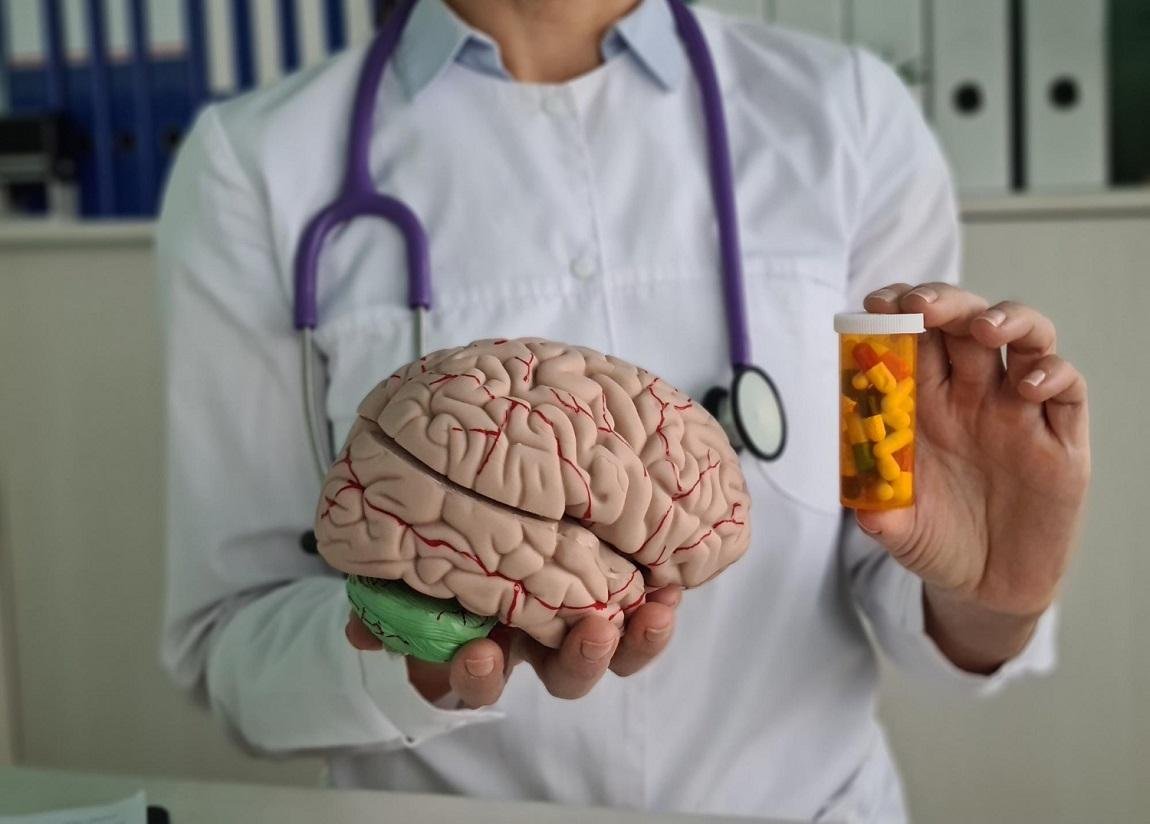
The wellness aisle is getting stranger, not simpler. One shelf says focus. Another says memory. Another leans on mood, sleep, healthy ageing, or that vaguely futuristic promise that your brain could run a little sharper if you just buy the right capsule, powder, or chewable candy. In 2026, the noise is especially strong around brain health supplements, cognitive supplements, and the ever-popular functional gummies format. But hype is not proof. And a pleasant texture does not make an ingredient effective. The real question is much less glamorous: which ingredients actually have human evidence behind them, and which ones are just wearing a lab coat and smiling for the camera?
Why The Buzz Is So Hard To Ignore
Aging well has become a huge part of the supplement story, and brain health sits right at the centre of it. People do not just want to live longer. They want to stay mentally quick, remember names, keep up with work, and avoid that foggy, half-finished feeling that can creep in with stress or poor sleep. That is the consumer story. The scientific story is more cautious. Brain health is shaped by sleep, physical activity, blood pressure, diabetes, hearing, education, diet, social connection, and many other factors. Supplements can sometimes help in narrow situations, but they are not a shortcut around the rest of life. WHO’s dementia guidance and NIH nutrition resources both point toward food patterns and risk-factor control rather than magic pills.
Functional Gummies Look Fun. Evidence Does Not Come In Candy Form
This part needs a little bluntness. A gummy format can make a product easier to take, and that matters for adherence. Fine. But the format itself does not prove anything about the ingredient inside it. The label may say focus, clarity, or mental energy, yet FDA rules are clear that supplement claims are limited, and products cannot legally claim to diagnose, treat, cure, or prevent disease. That means the wording can be polished, but the promise still has to stay inside the lane of structure and function, not drug-like treatment claims. So yes, functional gummies may be convenient. No, convenience is not the same as cognitive benefit.
A good way to think about it is this: if a gummy makes someone more likely to take the product every day, that is a compliance win. It is not a brain-performance win unless the ingredient, dose, and formulation actually hold up in studies. That distinction sounds obvious once it is said out loud, but a lot of marketing depends on people not saying it out loud.
Creatine: The Surprise Ingredient With Real Interest
Creatine is not just for gym people chasing one more rep. It has become one of the more serious candidates in the brain-health conversation.
This is one place where brain health supplements can sound more dramatic than the evidence justifies. Creatine is not a miracle memory switch. It may be more useful in certain contexts, such as older adults, people under high mental stress, or situations where energy metabolism in the brain is under strain. Still, the strongest language here is probably “may help some people in some settings,” not “boosts intelligence.” That softer phrasing is not weak. It is honest.
Omega-3s: Important Nutrients, Mixed Supplement Results
Omega-3 fatty acids are biologically important. DHA and EPA are part of the broader nutrition picture, and seafood intake is associated with favorable cognitive development in children.
NIH’s fact sheets are also clear that omega-3s are essential fats found in foods and supplements. But the supplement evidence for adult cognition is much less exciting than the marketing suggests. Recent reviews continue to show mixed results, with some modest signals in some groups and little to no clear benefit in others. In other words, omega-3s matter, but omega-3 capsules are not a guaranteed shield against cognitive decline.
This is where cognitive supplements often overpromise. People hear “brain fat” and leap straight to “brain fix.” Actually, the logic is narrower. If someone is not eating enough fish, or has a clear dietary gap, omega-3 supplementation may be more sensible. If someone already has a balanced diet and is expecting the capsule to act like an upgrade chip for the mind, the evidence does not really support that fantasy.
B Vitamins: Crucial When You Are Low, Less Dramatic When You Are Not
B vitamins are a classic example of why deficiency matters. Folate and vitamin B12 are essential for normal cell function, red blood cell formation, and nervous system health. The moment deficiency enters the picture, the brain can absolutely notice. But that does not mean extra B vitamins automatically sharpen thinking in people who are already sufficient. NIH fact sheets and reviews repeatedly make this distinction, and it matters a lot in real life. A nutrient can be essential without being a universal performance enhancer.
This is why some of the loudest brain health supplements marketing is technically built on a true premise and then stretched past the edge. Yes, the brain needs B vitamins. Yes, low levels can be a problem. No, that does not mean more is better. The honest question is whether someone has a gap in intake or absorption. If not, the “brain boost” claim gets thin very fast.
Vitamin D And Magnesium: Necessary, But Not Magical
Vitamin D is needed for overall health, and NIH notes that it is needed for the brain to function properly. Yet the same consumer fact sheet also says that, while some studies link low blood levels to depression risk, clinical trials do not show that vitamin D supplements prevent or ease depression symptoms. That is an important reminder. A low level can be a clue. It is not automatic proof that swallowing more will solve the problem.
Magnesium sits in a similar middle ground. NIH describes it as a cofactor in hundreds of enzyme systems, including muscle and nerve function. Research on cognition is still developing, with recent reviews suggesting possible associations but not a clean, universal cognitive benefit from routine supplementation. There are newer product-specific studies, especially around magnesium L-threonate, but those do not magically turn the whole category into settled science. They are signals, not final verdicts.
So if a brand is selling brain health supplements by stacking vitamin D, magnesium, and a few trendy extras into a cute gummy, the right response is not instant applause. It is a simple question: what problem is this ingredient actually solving, and was that problem even present in the first place? That question usually clears the fog.
Lion’s Mane: Interesting, But Still Early
Now to the mushroom everyone in wellness seems to know. Lion’s mane supplement products have exploded because the ingredient sounds ancient, natural, and slightly mysterious all at once. The evidence is not absent, but it is still early and uneven. Recent reviews report possible cognitive and mood effects, especially in middle-aged and older adults, but the studies are generally small, heterogeneous, and not strong enough to support bold claims. NIH’s NCBI resources also note that lion’s mane has been purported to improve cognition, but that is not the same thing as proven clinical benefit.
This is a good example of how cognitive supplements can feel more advanced than they are. A mushroom blend with a nice label and a modern gummy shape can look like the future of brain support. But if the trial data are still thin, the future has not arrived yet. At best, lion’s mane is a “promising but unconfirmed” ingredient. At worst, it is a story being told faster than the science can keep up.
How To Judge A Brain Supplement Without Getting Played
There are a few questions worth asking before spending real money. Is the ingredient backed by human trials, or just animal studies and marketing copy? Was the dose in the study anywhere near the dose on the bottle? Is the ingredient standardized, or is it a loose blend hidden inside a soft chew? Is the product third-party tested? And does the claim sound like a wellness statement, or does it quietly drift into disease prevention language that the FDA does not allow for supplements? Those details matter more than the flavor, the color, or the influencer who posted it.
There is also a blunt practical test. Ask whether the same money would do more good elsewhere. Better sleep, a walk after lunch, a real breakfast, treating hearing loss, managing blood pressure, fixing iron or B12 deficiency if present, and actually eating enough protein and omega-3-rich foods can all move the needle in ways that a fashionable gummy may not. That does not make supplements useless. It just puts them back in their proper place.
The Bottom Line
The brain-supplement market is booming because people want focus, memory, and resilience, and because ageing makes those goals feel more urgent. Fair enough. But the evidence remains uneven. Creatine looks genuinely interesting. Omega-3s are essential nutrients with mixed cognitive results in supplement form. B vitamins and vitamin D matter most when there is deficiency or another real need. Magnesium is important, but not a cure-all. Lion’s mane is still in the “show me more” stage. And functional gummies remain, at heart, a delivery format, not proof.
The real story, perhaps, is not that one pill or gummy has solved brain health. It is that people are still searching for a simple answer to a complicated need. That search is understandable. The answer, as usual, is a little less shiny than the marketing. And maybe that is the point.
FAQs
What About Bacopa?
Bacopa is a popular nootropic ingredient, but it is not covered in depth here. The evidence base, dosing, and side effects deserve their own careful look, especially because many commercial blends use bacopa as a label-friendly add-on without making the formulation clear.
What About Ginkgo Biloba?
Ginkgo is another classic brain supplement that often appears in memory products. This article focuses on the ingredients currently driving the 2026 conversation, so ginkgo is left for another review. The broader lesson still applies: tradition alone is not proof.
Do These Supplements Help ADHD Or Study Performance?
Not in a simple, universal way. This article is about general cognitive health and healthy ageing, not treatment of ADHD, exam performance, or prescription-level attention problems. Those are different questions and should be treated separately.
Are Brain Gummies Better Than Capsules?
Not automatically. Gummies may be easier to take, but they can also hide lower doses, added sugar, or less transparent labeling. The best form is the one that matches the study and the real need, not the cutest one on the shelf.
Should Healthy People Take A Daily Brain Supplement Just In Case?
Not necessarily. If there is no deficiency, no specific dietary gap, and no evidence-based reason, the benefit may be small or nonexistent. Food quality, sleep, exercise, and risk-factor control often matter more than a default supplement habit.
What Should Someone Do First If Memory Feels Off?
A supplement should not be the first stop. New or worsening memory problems deserve a proper medical review, especially if they are affecting daily life. The bigger picture matters here, including sleep, medications, mood, blood pressure, thyroid issues, and nutrient deficiencies.