





You are standing on the side of a rural highway. A bad accident just happened. Actually, let’s look at an even harder situation. Imagine a combat medic huddled in a remote field, miles away from the nearest field hospital. A patient is losing blood fast.
In normal situations, that patient needs plasma to help their blood clot and stop the bleeding. But there is a massive problem with traditional plasma. It is frozen.
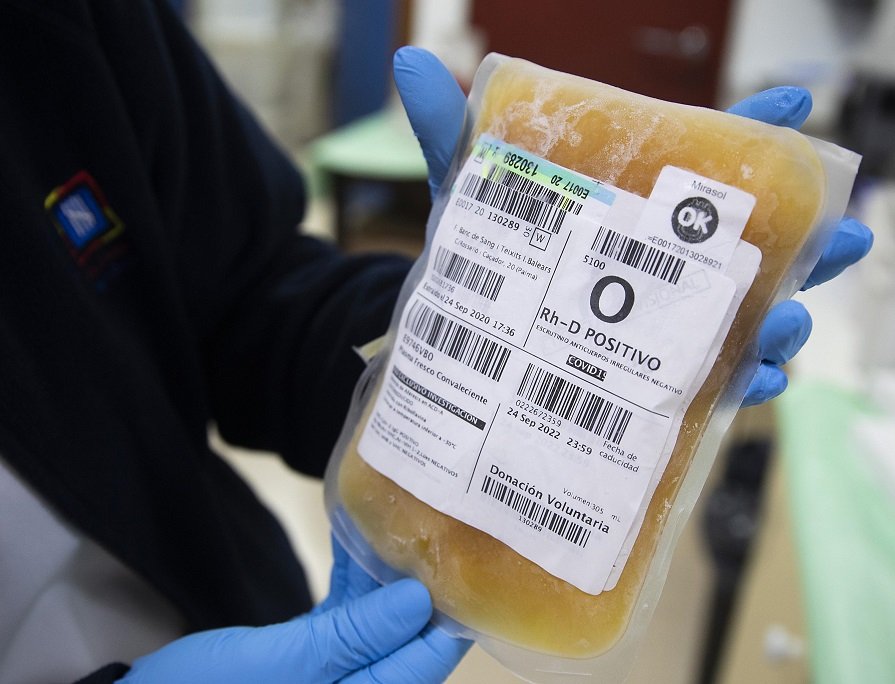
Standard fresh frozen plasma sits inside a hospital freezer at sub-zero temperatures. Before anyone can put it into a bleeding patient’s arm, a medical worker has to thaw it out. That thawing process takes precious time. Sometimes it takes thirty minutes or more. In trauma medicine, thirty minutes is an eternity. People die waiting for ice to melt.
Now, everything changes. The United States Food and Drug Administration just gave the green light to a product called Ezplaz. It is the very first FDA freeze-dried plasma approval for commercial use in the country. And honestly? It is one of the most exciting shifts in emergency medicine we have seen in decades.
How Does This New Powder Actually Work?
So, what freeze-dried plasma is might sound like something out of a science fiction novel, but the science is surprisingly straightforward.
Scientists take regular human blood plasma and run it through a specialized lyophilization process. That is just a fancy technical word for freeze-drying. They carefully strip away the water content while protecting the fragile clotting proteins inside. What is left behind is a dry, stable powder.
When an emergency happens, a medic does not need a freezer. They do not need a warming bath. They take that powder, mix it with a bag of sterile water, and shake it up.
Within about one to two minutes, that powder turns right back into liquid plasma. It is ready to go into the bloodstream immediately.
- No Freezers Needed: You can store this room-temperature plasma on a simple shelf or inside a normal ambulance bag.
- Flexible Plastic Packaging: Instead of heavy, breakable glass bottles used in older trial kits, this new kit uses a tough, patented flexible plastic bag. It will not shatter if someone drops it on rocks or pavement.
- Universal Blood Compatibility: The product is prepared in specific blood groups like AB and A with low-titer anti-B. That means rescuers can give it safely without wasting time typing a patient’s blood first.
Why Is Room Temperature Plasma Such A Big Deal?
To really understand why the medical community is celebrating this FDA freeze-dried plasma approval, you have to look at the reality of severe bleeding.
Uncontrolled hemorrhage is the number one cause of preventable death in trauma patients. That applies both on the battlefield and in civilian life. When someone loses too much blood, their body runs out of coagulation factors. Those are the crucial proteins that build clots and patch up broken blood vessels.
Without those factors, bleeding simply will not stop.
Having room-temperature plasma means we can push life-saving treatment way out to the point of injury. A helicopter crew can carry it. A rural ambulance team can keep it stocked. Even disaster response units working in hurricane zones can pack it into backpacks without worrying about electricity or ice generators.
Who Built This And How Was It Tested?
Perhaps that sounds too simple. You might wonder if drying out human plasma damages its ability to save lives.
Actually, the military has been pushing for this solution for a very long time. The Defense Health Agency worked closely with medical manufacturers to turn this concept into a reality. Through a special government partnership, the product went through rigorous testing to prove it was just as safe and effective as traditional frozen plasma.
Where Will Doctors Use This New Treatment First?
Right now, the priority is getting this room-temperature plasma into environments where frozen storage is impossible.
- Military Combat Zones: Soldiers injured in remote areas will get clotting support within minutes of injury.
- Rural Emergency Medical Services: Ambulances operating far from major trauma centers can stabilize patients during long drives.
- Search and Rescue Teams: Mountain rescue and wilderness medical crews can carry lightweight plasma kits on foot.
- Major Disaster Areas: When earthquakes or storms knock out hospital power grids, medical tents can still transfuse bleeding patients.
What Are The Risks And Limitations?
We should be realistic here. No medical advancement is completely perfect.
Because this product comes from real human blood donors, there is always a tiny, theoretical risk of transmitting infections. Modern screening makes that incredibly rare, but the risk is never absolutely zero.
Also, some patients might have allergic reactions or hypersensitivity to plasma transfusions. Medical providers still need to monitor patients closely for signs of trouble, just like they do with any standard blood product.
Still, when you weigh those minor risks against the certainty of bleeding to death without treatment, the choice is clear. This FDA freeze-dried plasma approval gives doctors a fighting chance where they previously had empty hands.
What Does This Mean For The Future Of Emergency Care?
Medicine moves in waves. For decades, our ability to resuscitate trauma patients was tied to hospital infrastructure. We needed power. We needed freezers. We needed time.
Now, we are breaking those chains. Knowing what freeze-dried plasma is and seeing it enter real-world circulation reminds us that innovation is not just about fancy software or complex machines. Sometimes, true progress is simply figuring out how to turn a life-saving liquid into a simple powder that fits inside a backpack.
Where do you think emergency medicine will go next now that the freezer is no longer a limit?
Frequently Asked Questions About Freeze-Dried Plasma
Why was freeze-dried plasma not available earlier?
Older versions of freeze-dried plasma actually existed decades ago during World War II, but they were abandoned due to issues with contamination and hepatitis transmission. Modern technology now allows manufacturers to purify, screen, and package the plasma safely without those historical infection risks.
Does freeze-dried plasma expire quickly?
No. Unlike thawed liquid plasma, which must be used very quickly, sealed freeze-dried plasma kits can sit on a shelf at normal room temperatures for up to 12 months without losing their clotting potency.
Can any civilian hospital buy this product right now?
The initial rollout heavily favors military and specialized pre-hospital emergency services. However, FDA approval of freeze-dried plasma allows it to be marketed and sold for adult civilian trauma care as production scales up.
How do medics mix the powder in the field?
Every kit is completely self-contained. It includes the foil-wrapped plasma powder, a bag of sterile water, and sterile transfer tubing. Medics connect the tubing, let the water flow into the powder bag, swirl it for a minute, and attach it directly to an IV line.
Does this replace whole blood transfusions?
Not completely. Plasma replaces essential clotting factors and blood volume, but it does not contain red blood cells that carry oxygen. It is a critical piece of trauma resuscitation, often used alongside red cells or whole blood when available.
Who manufactures this newly approved product?
The newly licensed product is called Ezplaz. It is produced by Vascular Solutions LLC, which is a specialized subsidiary of the medical technology company Teleflex Incorporated.