






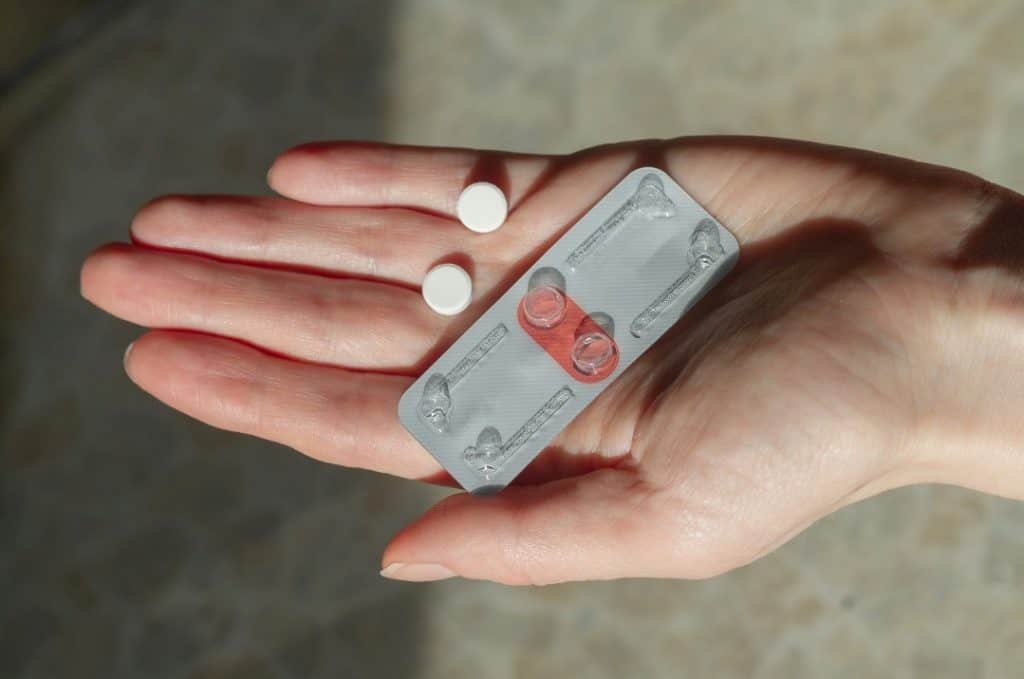
Realizing that unprotected sex happened three or four days ago can create a very specific kind of panic. The clock suddenly seems to matter more than anything else.
But 72 hours is not necessarily the point where every option disappears.
Some emergency contraception methods can still be used up to 120 hours, or five days, after unprotected sex. The important distinction is that different methods have different time limits and effectiveness. Waiting longer can reduce the choices available, so acting promptly still matters.
If you are searching for pills to avoid pregnancy after 72 hours, the first thing to understand is that there is a difference between levonorgestrel and ulipristal acetate. There is also a non-pill option that is considerably more effective than either.
The 72-hour mark is not the whole story
Emergency contraception is designed to prevent pregnancy after sex when contraception was not used or may have failed. It works mainly by preventing or delaying ovulation. It does not terminate an established pregnancy.
The timing matters because emergency contraception works best before ovulation has occurred.
The NHS currently distinguishes between two main emergency pills: levonorgestrel, which is generally taken within 72 hours, and ulipristal acetate, which can be taken within 120 hours.
That distinction is especially important when someone is already beyond the three-day point.
Which pills can work after 72 hours?
If more than 72 hours have passed, ulipristal acetate is the emergency contraceptive pill that deserves particular attention.
WHO guidance says ulipristal acetate is more effective between 72 and 120 hours after unprotected intercourse than other emergency contraceptive pills. That makes it a particularly relevant option when the three-day window has already passed.
So, when someone searches for pills to avoid pregnancy after 72 hours, the answer is not simply “it is too late.” It depends on exactly how much time has passed and which method is available.
Levonorgestrel is generally intended for use within 72 hours. Some guidance recognizes emergency contraceptive pills within the broader five-day window, but effectiveness can decline as time passes, and ulipristal is generally the stronger oral option during the 72-to-120-hour period.
That is why getting advice from a pharmacist, doctor, sexual-health professional, or other qualified clinician becomes particularly useful once the three-day mark has passed.
Ulipristal versus levonorgestrel: why the ingredient matters
The two medicines are not simply different brands of the same thing.
Levonorgestrel is a progestin. It works primarily by delaying ovulation when taken before the hormonal changes leading to ovulation have occurred.
Ulipristal acetate works by interacting with progesterone receptors and can delay ovulation closer to the time it would otherwise occur.
That difference helps explain why ulipristal is generally more useful later in the five-day window.
The WHO reports pregnancy rates of about 1.2% in studies of ulipristal emergency contraception and about 1.2% to 2.1% for levonorgestrel regimens, although an individual’s actual risk cannot be predicted from these figures alone.
In other words, there is no magic percentage that tells one particular person whether the pill “worked.” Timing, ovulation, the specific medicine, interactions with other drugs, and individual circumstances all matter.
There is another option that is even more effective
This is the part many online articles underplay.
If preventing pregnancy is the priority and five days have not yet passed, a copper IUD can be used as emergency contraception.
According to the World Health Organization, a copper-bearing IUD inserted within 120 hours of unprotected sex is more than 99% effective and is the most effective form of emergency contraception available. It can also remain in place as ongoing contraception.
It does require placement by a trained healthcare professional, so it is not as simple as taking a tablet. But if someone is approaching the end of the five-day window, this option should not be forgotten.
What happens if it has already been more than 120 hours?
Once five days have passed, the situation becomes different.
Emergency contraceptive pills are not designed to provide reliable protection indefinitely after intercourse. WHO guidance recommends emergency contraception within five days, with earlier use generally being more effective.
If someone is now concerned about pregnancy after unprotected sex and more than 120 hours have passed, taking random contraceptive tablets is not a sensible substitute for proper medical advice.
At that stage, the focus shifts toward determining pregnancy risk, considering whether there were other episodes of unprotected sex, and knowing when pregnancy testing will be meaningful.
What can make the emergency pill less suitable?
The medicine you already take can matter.
Certain medicines used for epilepsy, tuberculosis, HIV and some other conditions can interfere with emergency contraception. St John’s wort can also affect some emergency contraceptive pills. The NHS recommends speaking with a healthcare professional if you take these medicines.
Body weight may also affect the effectiveness of some oral emergency contraception. WHO notes reduced effectiveness of emergency contraceptive pills in women with obesity, although they should not be denied emergency contraception on that basis.
This is one reason a pharmacist or clinician may ask questions that initially seem unrelated to the sexual encounter.
What should you expect after taking it?
An emergency contraceptive pill can cause temporary changes to the menstrual cycle.
Nausea, fatigue, vomiting, and irregular bleeding can occur. The next period may arrive earlier or later than expected.
If vomiting occurs soon after taking an emergency contraceptive pill, another dose may be needed. WHO specifically advises repeating the dose when vomiting occurs within two hours.
The pill also does not provide ongoing protection from sex that happens afterward. This is easy to miss. Taking emergency contraception today does not mean unprotected sex tomorrow is automatically covered.
When should you take a pregnancy test?
Emergency contraception is not a guarantee.
If your period is significantly later than expected, taking a pregnancy test is appropriate. Testing too early can be misleading because pregnancy tests detect human chorionic gonadotropin, or hCG, and that hormone may not yet be present at detectable levels after very recent intercourse.
The timing of testing matters. A negative test taken very soon after sex does not necessarily rule out pregnancy from that encounter. If uncertainty remains, repeat testing or speak with a healthcare professional.
If you develop severe abdominal or pelvic pain, fainting, unusually heavy bleeding, or other concerning symptoms while pregnancy is possible, seek medical attention promptly rather than relying only on another home test.
What if you are already worried about pregnancy?
This is where precision matters more than panic.
If the intercourse happened within the last 72 hours, seek emergency contraception as soon as possible.
If it happened between 72 and 120 hours ago, ask specifically about ulipristal acetate and the copper IUD rather than assuming the opportunity has passed.
If you are considering pills to avoid pregnancy after 72 hours, do not delay simply because you think the three-day deadline has already expired. The relevant window may extend to five days depending on the method.
And if the concern is pregnancy after unprotected sex that occurred more than five days ago, speak with a healthcare professional about pregnancy testing and what to do next rather than taking an emergency pill outside its established window.
Frequently Asked Questions
1. Can I take an emergency contraceptive pill on day four?
Some emergency contraceptive pills can be used up to 120 hours after unprotected sex. Ulipristal acetate is specifically recommended for use up to five days and is generally more effective than levonorgestrel during the 72-to-120-hour period.
2. Is the morning-after pill the same as abortion medication?
No. Emergency contraceptive pills work primarily by preventing or delaying ovulation. WHO states that they do not interrupt an established pregnancy and do not cause abortion.
3. What if I have had unprotected sex more than once?
This matters because the timing and number of episodes can change the assessment. Emergency contraception should not be treated as blanket protection for every later episode of unprotected sex. Tell the pharmacist or clinician the dates and approximate times involved.
4. Can emergency contraception affect future fertility?
Current evidence does not indicate that emergency contraceptive pills cause permanent infertility. WHO reports that there is no delay in the return to fertility after taking emergency contraceptive pills.
5. What if I vomit after taking the pill?
If vomiting occurs within two hours, contact a pharmacist or healthcare professional because another dose may be required. The medicine may not have been adequately absorbed.
6. What is the most effective emergency contraception?
The copper IUD is the most effective emergency contraceptive option. WHO reports that it is more than 99% effective when inserted within 120 hours of unprotected intercourse.
The five-day window is real, but waiting is still a bad strategy
The phrase “72 hours” can make emergency contraception sound like a hard cliff: before it, there is help; after it, there is none.
That is not quite how the evidence works.
There are options between 72 and 120 hours, particularly ulipristal acetate and the copper IUD. At the same time, earlier treatment is generally better, and the most appropriate option can depend on medications, timing, ovulation, body weight, and other personal factors.
So if the clock is already moving, the useful question is not simply, “Did I miss 72 hours?”
It is: How many hours have actually passed, and which emergency contraception option is still appropriate for me?