


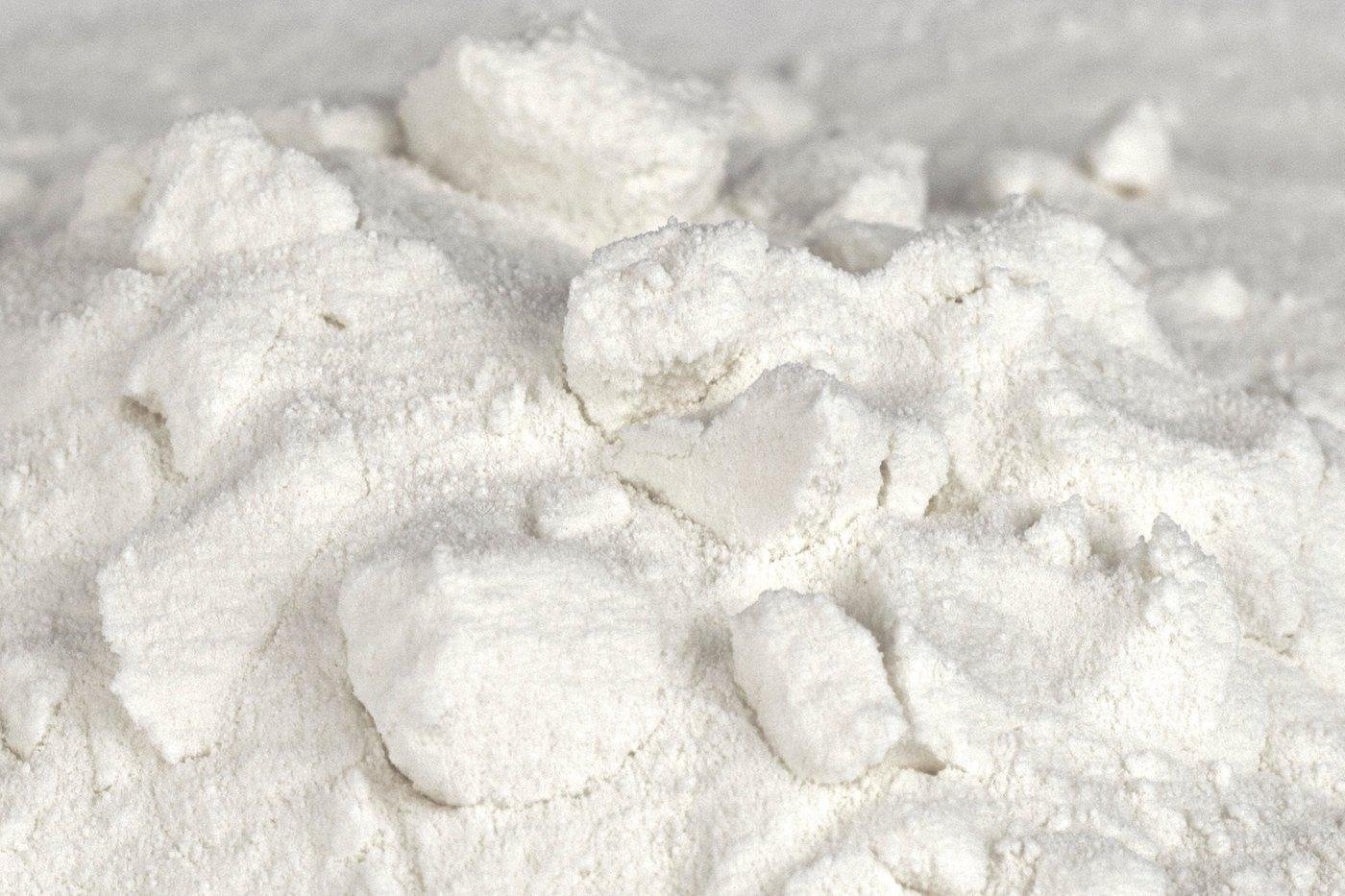
Equine Gelatin is a collagen-derived protein. Horses provide the source material for one kind of gelatin – this connection comes straight from the word equine, which points to them and their close relatives. Built from durable tissues such as skin, bone, tendon, and cartilage, this material forms when water-driven processes slowly dismantle collagen. Though global supplies often come from cows or pigs, equine sources appear quietly across pockets of medicine, skincare, food prep, and industry. Even rarer compared to others, these specialized roles help it stay in play – slipping into tasks where few expect.
What Is Gelatin?
Most of what holds animals’ bodies together comes from a single protein – collagen. Heat, acids, bases, or natural body tools can split it apart slowly. Once changed that way, it turns into something called gelatin. This new form dissolves in water instead of just sitting there.
Gelatin is characterized by several functional properties:
- Once chilled, it thickens into a soft solid shape. Cooling transforms its texture slightly.
- Water binding: Retains moisture in products.
- Film creation helps with capsule coverings. It works well for outer layers, too.
- Keeping things steady while blending them works well. Mixtures stay uniform because of this support.
- Safe inside the body, useful for medical uses.
Horses supply the base for some gelatin, much like cows or pigs do. Though it acts in similar ways, its chain of building blocks isn’t quite the same. The way molecules line up can shift how it behaves. Melt points may run a bit higher or lower than usual. Rules around its use also change from place to place.
Sources of Equine Gelatin
Equine gelatin is typically obtained from:
- Horse skin
- Bones
- Cartilage
Bits of tough tissue left behind when animals are butchered or processed for food
Horse processing leaves behind scraps that might otherwise go unused. Where people eat horse meat, those leftovers often find a purpose instead of being thrown away.
Across time, key areas for making things span locations like:
Horse-based goods are processed in France, also popping up in parts of Belgium alongside Italy. Japan handles such materials too, while certain areas within China join this pattern quietly behind the scenes.
Manufacturing Process
Starting off, horse gelatin gets made much like gelatin from other animals. It moves through a series of steps, one after another. First comes cleaning the raw material carefully. Then it undergoes an acid or alkaline treatment to break down tissues. After that, extraction takes place using hot water. The liquid gelatin is filtered next, removing impurities. Cooling turns it into a solid state slowly. Finally, it dries and gets crushed into powder form
1. Collecting and Cleaning Raw Materials
From horse hides come materials stripped down, washed carefully so grease vanishes along with leftover blood and impurities. Bones follow a similar path – scoured clean through detailed handling until nothing unwanted remains inside their structure.
2. Pretreatment
The collagen-containing tissues undergo chemical pretreatment:
- Acid treatment (Type A gelatin) for softer tissues
- For tougher materials like bone, an alkaline process is used – this creates Type B gelatin. Harder structures need that specific method to work properly
Here, the collagen framework starts to break down, setting things up for removal. Later on, its strength fades just enough so pulling it out becomes possible.
3. Extraction
Water carries heat to the treated substance. Inside, warmth changes collagen into a form that dissolves easily. Rising temperatures might repeat the process several times for more output.
4. Filtration and Purification
Pieces that don’t belong get pulled out using filters, mineral stripping, and then cleaned by system steps.
5. Concentration and Sterilization
Filled with heat, the gelatin mix thickens while germs vanish under strict cleaning steps.
6. Drying and Milling
After that, sheets or powder form as moisture leaves the substance, then grinding shapes it into store-bought gelatin items.
Chemical Composition
Protein makes up most of equine gelatin – roughly 85 to 90 percent. Minerals appear in tiny quantities, along with moisture. Amino acids typical of collagen-based proteins are present here, notably:
- Glycine
- Proline
- Hydroxyproline
- Alanine
- Arginine
From deep within its structure, gelatin gets shape and function thanks to these amino acids. They link up, hold together, give firmness while also guiding how it interacts with living systems.
On its own, gelatin falls short because it misses key building blocks like tryptophan – something full proteins always include. While other foods deliver every needed piece, this one skips a few. Without those missing parts, the body can’t fully use what gelatin offers. So when eaten solo, it doesn’t finish the job.
Physical Properties
Equine gelatin possesses several technologically useful properties:
Gel Strength
Bloom strength usually tells how stiff gelatin feels. Depending on how it’s pulled from horse tissues, the number can shift. Extraction techniques plus origin material influence what you get.
Solubility
Warm water breaks it down, after which chilling creates a gel.
Viscosity
Smoothness in food and medicine often comes from careful ingredient choices. What matters most is how it feels when eaten or taken. Texture plays a big role behind the scenes. Mouthfeel can change based on small adjustments. Control happens through specific additives. These help keep results consistent across batches.
Film-Forming Ability
Built right into its nature, this trait shines when forming capsules or crafting food-safe layers.
One reason horses are used is that their gelatin sometimes acts like cow gelatin. Still, how well it works ties closely to how it’s processed.
Applications of Equine Gelatin
1. Pharmaceutical Industry
Pharmaceutical work relies heavily on horse-derived gelatin. Though less obvious, its role there shapes much of how medicines behave inside the body.
Gelatin capsule
Gelatin finds its way into making:
- Hard capsules
- Soft gel capsules
- Tablet coatings
- Drug delivery systems
Horse-derived gelatin sometimes steps in where pig or cow sources are off-limits due to supply limits. While less common, it fills the gap quietly – shape unchanged, function intact. Not every option works everywhere, yet this one slips through when rules tighten. Where cattle and swine fall short, another path opens without fanfare.
Some areas might lean toward it, where past issues with illnesses tied to cow-based products.
2. Biomedical Uses
Equine gelatin can be employed in biomedical materials because of its:
- Biodegradability
- Biocompatibility
- Low toxicity
Potential uses include:
- Wound dressings
- Tissue engineering scaffolds
- Drug carriers
- Surgical sponges
From horses and other animals, scientists look into using gelatin for healing tissues. Gelatin derived from different creatures becomes a focus when repairing body parts. When studying recovery methods, experts turn to horse-based gelatin among alternatives. Healing applications lead researchers toward animal-sourced gelatins like those from equines. Exploring tissue repair often means testing gelatin from various mammals, including horses.
3. Food Industry
Even if seen less often compared to cow or pig versions, horse-based gelatin shows up in certain products
- Gummies
- Confectionery
- Desserts
- Marshmallows
- Yogurt stabilization
- Dairy products
Still, eating it isn’t common because people aren’t used to it, and there are strict rules on how it must be labeled.
4. Cosmetic Industry
Gelatin derivatives can appear in:
- Face masks
- Hair treatments
- Skin-care formulations
- Nail-strengthening products
Gelatin helps these items hold water while creating a thin layer. What holds them together comes down to how it behaves when dried slowly.
Nutritional Aspects
Some people consume gelatin supplements for perceived benefits to:
- Joint mobility exercise
- Joint health
- Skin elasticity
- Hair and nails
- Recovery from connective tissue stress
For one thing, proteins from collagen have amino acids that matter in how connective tissues are processed.
Religious and Ethical Considerations
Horses lend their name to this form of gelatin, stirring debate where faith meets food choices. A quiet tension lives in what some consider acceptable, others reject outright.
Religious Perspectives
Acceptance differs among communities:
- Horses might be chosen instead of pigs by certain communities for gelatin production.
- Some skip any gelatin from animals if it lacks clear certification.
Ethical Concerns
Some individuals object to horse-derived products due to:
- Cultural views of horses as companion or working animals
- Animal welfare concerns
- Objections to slaughter practices
Safety and Regulatory Issues
Each batch gets checked many times before approval. Quality tests happen at every step of production. Only clean facilities handle this substance. Final products meet health standards worldwide. Mistakes are not allowed during processing
- Microbiological testing
- Traceability documentation
Not every country handles rules the same way. Some demand proof – showing animal sources are healthy, coming only from authorized sites.
Fears around sickness spreading through animal parts made people look closer at where gelatin comes from – across the globe. Scrutiny grew as past outbreaks sparked questions, not just curiosity. Where it came from started mattering more when health risks surfaced in supply chains. Worldwide attention tightened on production methods after warnings spread slowly over time.
Benefits of Horse Gelatin
Some potential advantages include:
- Another option pops up if cow or pig gelatin won’t work. Sometimes, a different origin makes more sense here instead.
- Works well in many ways. Performs like others when thickening or holding mixtures together.
- When making capsules, this works well with medicine ingredients. Compatibility matters most during production steps.
- Using what’s left after butchering helps cut down on wasted materials. What would be thrown away now gets a purpose instead.
Limitations
Equine gelatin also faces notable limitations:
- Only a narrow stream of production exists compared to cow or pig gelatin. Supply stays tight due to fewer sources feeding the system.
- People often stick to familiar habits, so new ideas face pushback in various places.
- Picking through rules takes time – labels must match where things come from.
- Price goes up when fewer units are made. Running a limited batch often means spending more.
Conclusion
Horse bones and tissues give rise to a particular kind of gelatin when broken down into collagen. This version acts much like that from cows or pigs – holds shape, supports textures, forms thin layers. While rarely found in everyday foods, its role shows up clearly elsewhere: medicine development leans on it, labs use it for studies, beauty formulas include it, plus some specialty kitchens find it useful.
Because some rules or beliefs block certain gelatins, horse-based versions step in quietly. Yet doubts about fairness, traditions around horses, and tight supplies keep it rare worldwide. Even so, progress in lab work and protein research could make it useful, just narrowly, for specific uses needing precision.
FAQs
1. What is equine gelatin?
A: Horse parts like skin, bones, and tough inner strands give rise to equine gelatin. From these, collagen gets gently split apart until it turns into a dissolvable protein. This version of gelatin finds its way into medicines, creams, and dishes. Instead of staying rigid, the substance shifts form through careful processing.
2. Is equine gelatin safe to consume?
A: Folks usually find horse-derived gelatin okay if it’s made following accepted rules. Quality checks happen during making, like testing for: Microbial contamination, Heavy metals, Animal disease risks, Purity, and traceability.
Failing to follow rules risks harm – good materials help prevent it.
3. Why do some pharmaceutical companies use equine gelatin?
A: Horse-based gelatin sometimes enters the picture where pork or beef materials face limits. Because of sourcing rules, availability issues, or customer demand, makers might shift toward it instead.
4. Could horse-derived gelatin meet halal standards? What about kosher rules?
A: Depending on how it’s slaughtered, where it comes from, and whether it’s blessed properly, rules differ between faith leaders. Some say yes, others hesitate. Labels with official marks help those who need to follow strict eating guidelines.
5. Why is equine gelatin controversial?
A: Equine gelatin can be controversial because:
- Horses pull plows in certain villages. Elsewhere, they walk beside people like friends.
- Fears about how animals are treated keep coming up. Some people worry that care might be too rough.
- Folks often like knowing where ingredients come from. Labels that show origins tend to catch their eye more easily.
Because of this, it serves narrower purposes compared to common gelatin options.