






Has your voice sounded raspy for weeks, with no cold to explain it? For a small number of adults, the cause is recurrent respiratory papillomatosis, a rare airway disease linked to HPV that can come back again and again after surgery.
On October 30, 2026, the FDA granted accelerated approval to Voceryq, a new DNA-based immunotherapy for this condition. It is the first plasmid DNA-based immunotherapy approved in the United States.
Big news. But how big, exactly? Let’s look at what the trial actually showed.
What exactly did the FDA approve on October 30?
Voceryq, made by Inovio, is approved to reduce how often adults with this disease need surgery to remove airway growths. Its full chemical name is doruxapapogene ralaplasmid and lalikinogene sifuplasmid-gxfd, so most people will just say Voceryq. It holds Orphan Drug and Breakthrough Therapy designations.
It is also the second treatment of its kind. The first, Papzimeos, was approved in August 2025 and uses a different, virus-based method.
What is recurrent respiratory papillomatosis, and why does it keep coming back?
According to the U.S. Food and Drug Administration, recurrent respiratory papillomatosis (RRP) is a rare, chronic disease caused by long-lasting HPV 6 or 11 infection. It produces benign tumors in the airway, most often in the voice box. The agency estimates about 1,000 new U.S. cases each year.
Benign means not cancer. But “recurrent” is the important word. Surgeons can remove the growths, yet the virus stays in the tissue, so the growths often return. In severe cases, some patients need a breathing tube placed through the neck.
What are the HPV symptoms of this airway disease?
Most people notice the voice first. A raspy or hoarse voice is the most common sign.
Other signs include noisy or high-pitched breathing, a long-lasting cough, trouble swallowing, snoring, and fast or hard breathing. These can look like asthma, reflux or allergies, which is why diagnosis is sometimes delayed. Doctors usually confirm RRP by looking at the vocal cords with a small camera, and a tissue sample can identify the virus type.
Noisy breathing or any trouble breathing needs urgent medical care.
How are HPV 6 and HPV 11 involved?
HPV is a large family with more than 100 types. Types 6 and 11 are best known for causing warts and wart-like growths, not cancer.
Most HPV infections cause no HPV symptoms at all, and the body usually clears the virus. In a very small number of people, the virus persists in airway tissue and the growths begin. Researchers do not fully understand why that happens in some people and not others.
How does Voceryq work as an HPV treatment?
Until recently, HPV treatment for this disease meant surgery, again and again. Surgery removes the visible growths but does not clear the virus. Every operation also carries a risk of injury to the voice box, as one trial investigator pointed out.
Voceryq takes a different route. It is an immunotherapy, meaning it trains your own immune system to find and attack cells infected with HPV.
Here is how that works, in plain terms:
- It contains two plasmids, which are small circular pieces of DNA.
- One plasmid carries instructions for HPV 6 and HPV 11 proteins, so your immune system learns what to look for.
- The other carries instructions for interleukin-12, a signal that boosts the immune response.
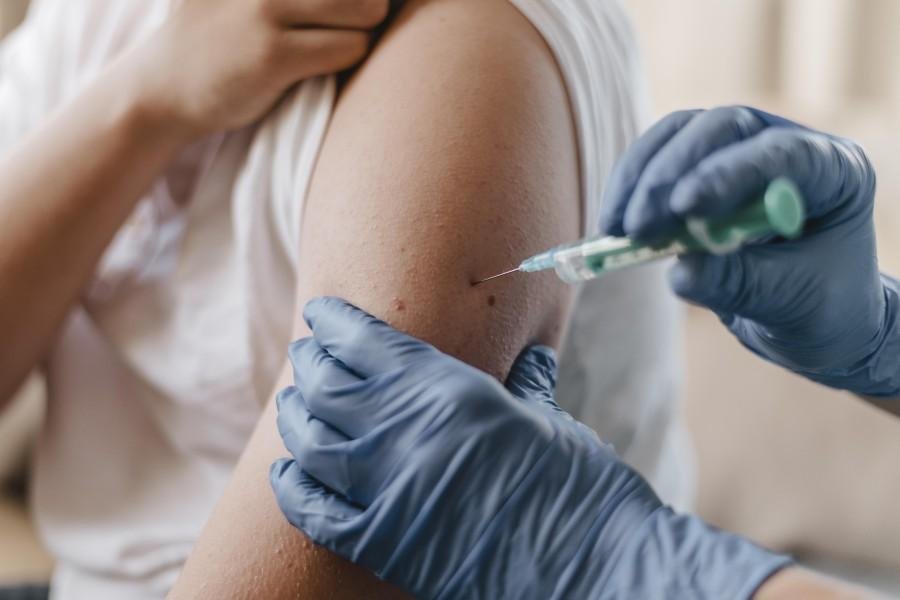
- It is injected into muscle using a device called CELLECTRA 5PSP. The device uses brief electrical pulses, called electroporation, to help the DNA enter cells.
Patients first have surgery to clear visible growths. Then comes a 9-week dosing schedule. The FDA approved the drug and the device together.
What did the clinical trial find?
The key study is called RRP-001. According to HCPLive, it enrolled 32 adults who had at least two surgeries in the previous year. The FDA focused on a subgroup of 26 patients who had three or more surgeries, with a median of 4.5.
Here is the result. In that group, 7 of 26 patients (27%) had a complete response, meaning no surgery was needed through 12 months of follow-up. The 95% confidence interval ran from 12% to 48%, so the true rate could reasonably sit anywhere in that range.
Now the honest part. That means 19 of 26 did not reach that goal. The study was small, open-label, and had no control group. And you should not compare it directly with Papzimeos, which reported 18 of 35 patients with a complete response in a different trial. Different trials, different patients, different designs.
What are the possible side effects?
The most common reactions, each affecting more than 5% of patients, were injection site reactions, headache, fatigue, high blood pressure, nausea and dizziness. Inovio reported that most were mild or moderate and short-lived.
The label advises monitoring patients for at least 30 minutes after each treatment. Electroporation can also cause brief muscle contractions, temporary bleeding at the injection site, anxiety, fainting-type reactions, and short-term lab changes in an enzyme called creatine phosphokinase.
The device should not be used on the same side as an implanted pacemaker or defibrillator. It should also be avoided at sites with metal implants or skin abnormalities. If you have any of these, tell your care team.
Why does accelerated approval require more research?
Accelerated approval lets the FDA approve a treatment for a serious condition based on an early measure that is reasonably likely to predict real benefit. Here, that measure was fewer surgeries.
The catch is that benefit still has to be confirmed. Inovio must run a confirmatory study, and if it fails, the approval can be withdrawn. The company says it plans to submit a draft study protocol by the end of 2026, with final alignment expected by mid-2027.
On timing, Inovio expects ordering to begin about 60 days after approval, with wider rollout in early 2027. The approval covers adults only. Similar efforts to turn immune-based and antiviral research into treatments for long-lasting viral diseases are moving in other areas too, such as a recent FDA approval for hepatitis B.
What should you do now?
If you have had hoarseness for more than a few weeks without an obvious cause, ask for an exam by an ear, nose and throat specialist. Do not wait for it to pass.
If you already live with RRP, ask your surgeon or laryngologist whether an immunotherapy fits your situation. Bring your surgery count from the past year, because the trial focused on people with three or more. Also mention any pacemaker, defibrillator or metal implants.
FAQs
Does Voceryq cure RRP?
No evidence shows a cure. In the key trial subgroup, 27% needed no surgery for 12 months. The approval is conditional, and more research is required.
Is it approved for children?
No. The approval covers adults only.
How is it different from Papzimeos?
Papzimeos uses a modified virus that cannot replicate and is given as four injections under the skin over 12 weeks. Voceryq delivers DNA directly into cells, is injected into muscle with an electrical device, and is given over a 9-week schedule.
Can the HPV vaccine prevent this disease?
Vaccination before exposure is the best prevention for HPV-related disease, and the Gardasil-9 vaccine covers types 6 and 11. The CDC recommends it at age 11 or 12. It is not a substitute for medical care once RRP has developed.
Can HPV symptoms in the throat mean cancer?
RRP growths are benign. But some other HPV types can cause throat cancers, so any voice change that lasts more than a few weeks deserves a proper exam.
Does this mean there is now an HPV treatment for every HPV infection?
No. Voceryq is approved only for adults with RRP. There is still no cure for HPV infection itself, and most infections clear on their own.
So where does this leave patients?
This approval matters. It gives people with recurrent respiratory papillomatosis a second immune-based option after decades of surgery alone, and it opens a new category of medicine.
But the evidence is early and the numbers are modest. If you notice lasting HPV symptoms in your voice or breathing, get examined. If you already have RRP, talk through this new HPV treatment with a specialist who knows your history.