


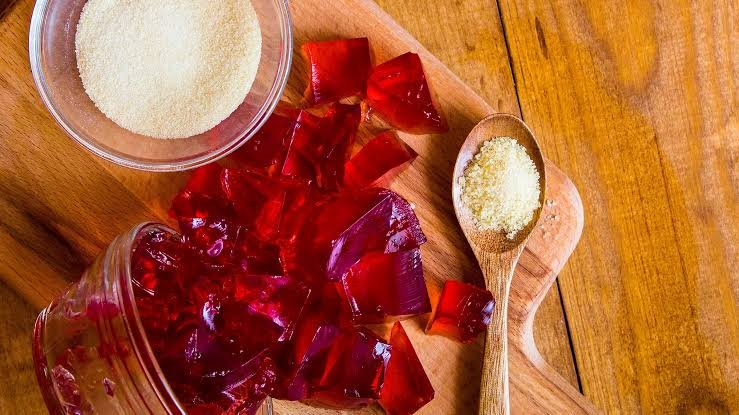
You are trying to eat less, but hunger keeps ruining the plan. Then TikTok hands you a suspiciously simple answer: dissolve plain gelatin in hot water, drink it before a meal, and let the fullness do the rest.
That idea, usually called the Gelatin trick for weight loss, has exploded because it sounds almost too practical to ignore. No injections. No expensive programme. No complicated recipe. Just gelatin, water, and timing.
Some people are even calling it a “poor man’s Ozempic.”
That comparison is where things start to fall apart.
What is the Gelatin Trick for weight loss?
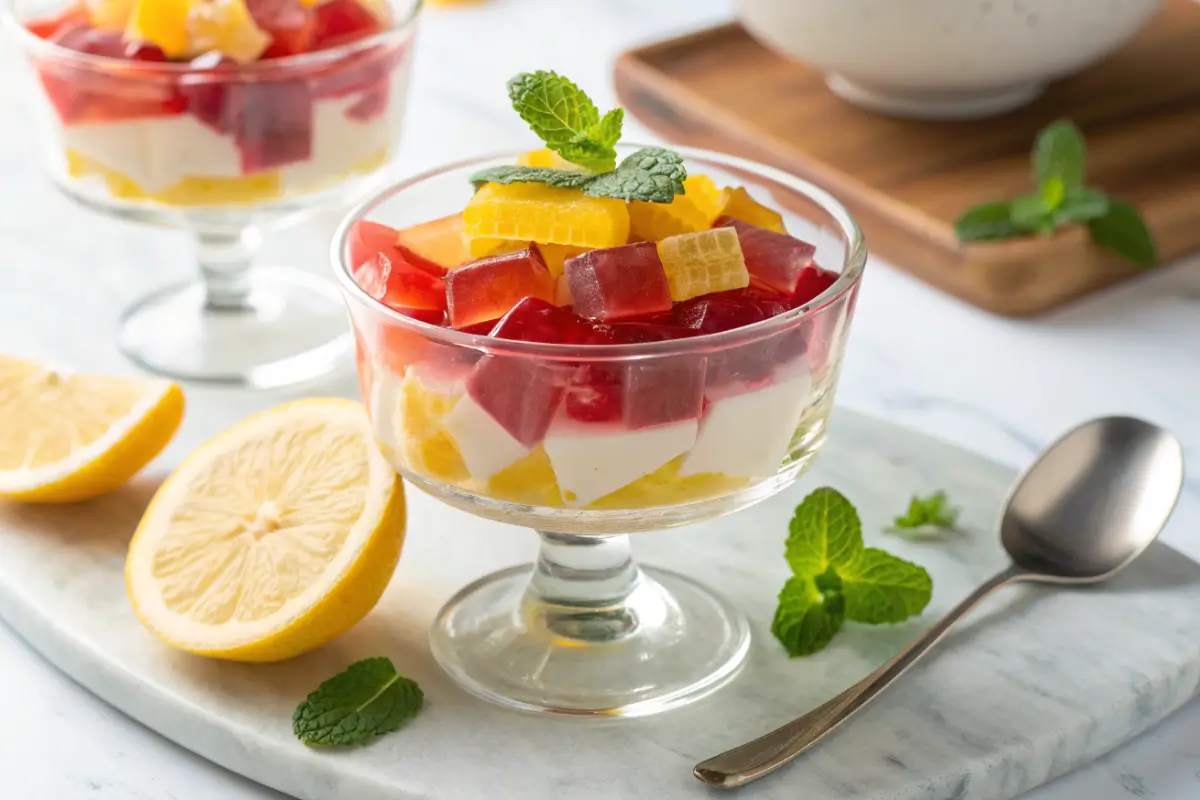
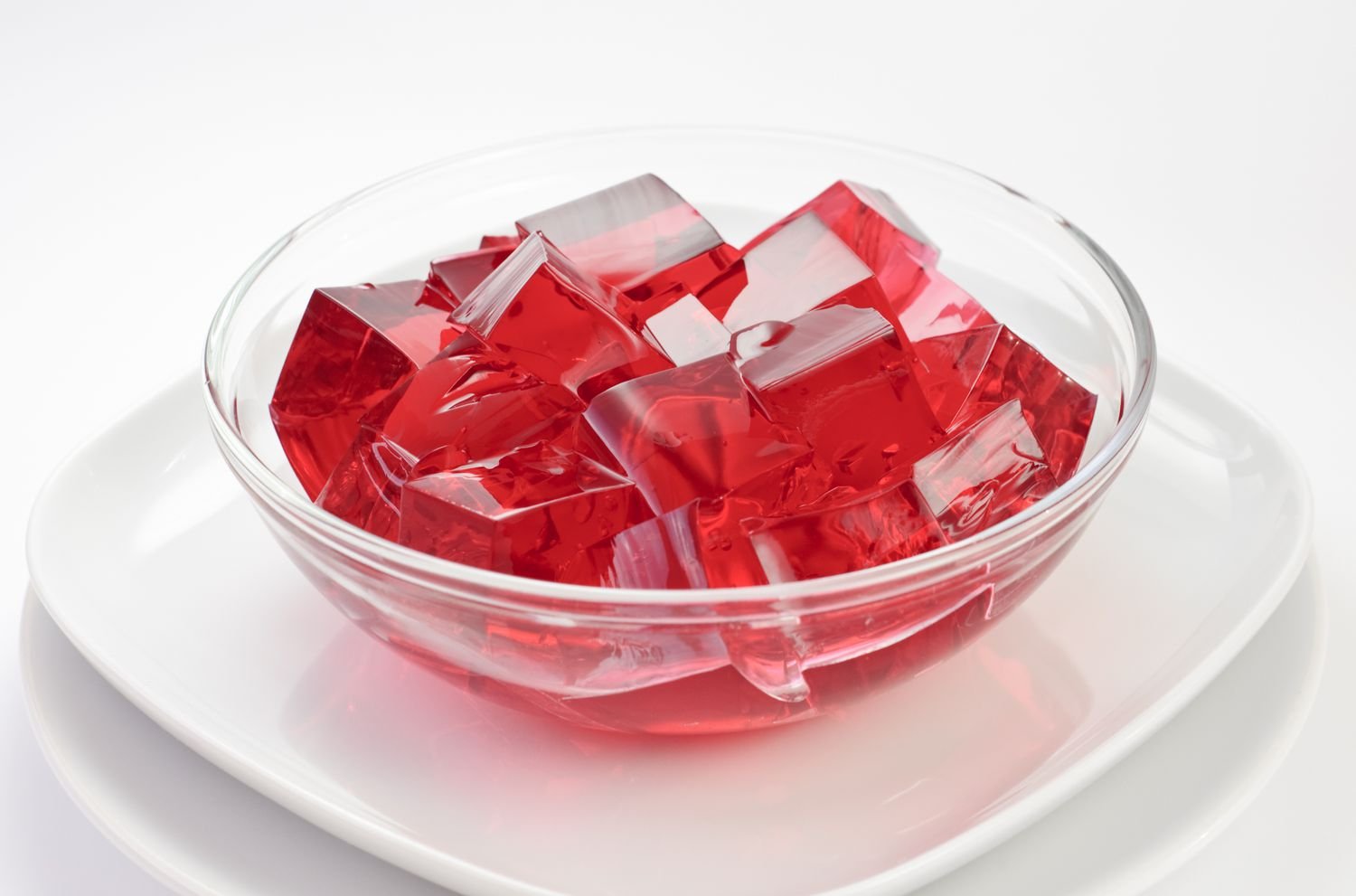
The basic version of the Gelatin diet is simple. Plain, unflavoured gelatin powder is dissolved in hot water, tea or occasionally coffee and consumed roughly 15 to 30 minutes before eating. Some versions use the gelatin as a drink. Others prepare it as a soft, low-calorie snack. Another version of the gelatin trick already on Daily Health Pro focuses on a cranberry-based preparation, while this article looks at the broader weight-loss claim and what the evidence can, and cannot, support.
The intended effect is appetite control.
Gelatin is derived from collagen and is largely protein. Protein is generally more satiating than carbohydrate or fat, so the theory is not completely invented. A person who takes gelatin before a meal may feel less hungry and, as a result, eat less.
That part deserves a fair hearing.
Why does gelatin sometimes make people feel full?
The explanation on social media is usually, “It expands massively in your stomach.”
That is too simplistic.
Hydrated gelatin can contribute volume, and a gelatin drink may feel physically substantial. But the appetite effect is also related to the fact that gelatin provides protein. Research has found that protein can influence satiety, although the effect varies depending on the protein source, dose, and the meal it is consumed with.
In one randomized study, participants consumed breakfasts containing different protein sources, including gelatin. The results showed lower energy intake at a later meal after gelatin-based breakfasts than after some other protein breakfasts. The study is useful, but there is an important catch: this was a controlled meal experiment, not evidence that drinking a small amount of gelatin water will produce dramatic fat loss. See the randomized gelatin and appetite study on PubMed
So, does the Gelatin trick work for fullness? It may, at least temporarily.
Does that mean it works like a weight-loss medication? Absolutely not.
Why calling gelatin “poor man’s Ozempic” is medically misleading
This is probably the biggest myth surrounding the trend.
GLP-1 medications used for obesity work through specific pharmacological pathways and are prescribed in appropriate clinical situations. Gelatin is food. It does not reproduce the mechanism, dose, clinical evidence, or weight-loss effects of GLP-1 medication.
Feeling full after a protein-containing drink is also not the same as changing the hormonal systems targeted by medication.
The Gelatin trick for weight loss may help a person eat fewer calories if it replaces snacking or makes portions easier to manage. But that is a behavioural and nutritional effect. It is not evidence that gelatin is a natural substitute for semaglutide or another prescription GLP-1 drug.
That distinction matters, particularly for people with obesity, diabetes, or a history of repeated unsuccessful dieting.
The protein problem most Gelatin Diet videos barely mention
Here is the part that many viral videos skip.
Gelatin is an incomplete protein.
It does not contain tryptophan and is also deficient in several other essential amino acids. In other words, your body cannot rely on gelatin as the sole source of dietary protein. This is particularly important when people start replacing actual meals with gelatin water because the powder has become associated with “high protein.”
High protein is not automatically the same as high-quality protein.
A chicken-and-bean meal, for example, provides protein along with vitamins, minerals and, depending on the foods chosen, fibre and other nutrients. Gelatin provides a much narrower nutritional profile. USDA technical reviews describe gelatin as nutritionally incomplete because of its amino-acid limitations.
That means the Gelatin diet becomes risky when it stops being a small appetite tool and starts replacing breakfast, lunch or dinner.
You may lose calories. You may also lose fibre, essential amino acids, and other nutrients that gelatin cannot supply.
Does the Gelatin Trick work for actual fat loss?
The short answer is more interesting than either “yes” or “no.”
A 2011 randomized trial found that a diet combining gelatin with milk protein did not produce more beneficial weight-loss effects than comparison diets based on milk protein. Earlier research also found no superior long-term weight-maintenance benefit from the gelatin-based approach after weight loss.
That is the uncomfortable gap between the viral promise and the evidence.
The Gelatin trick for weight loss may reduce hunger for some people. But reducing hunger for one meal does not guarantee sustained fat loss over months.
Weight loss still depends on the broader diet, calorie intake, protein quality, physical activity and, for some people, medical treatment.
So where does gelatin actually fit?
This is where the Gelatin diet can be used more intelligently.
Gelatin may make sense as:
- A low-calorie substitute for a dessert or snack
- A small addition before a meal if it genuinely helps with appetite control
- One component of an otherwise balanced diet
It does not make sense as:
- A replacement for nutritionally complete meals
- A proven fat burner
- A substitute for prescribed obesity treatment
- A way to “fix” an unhealthy diet while keeping everything else the same
Actually, that last point may be the most useful one. If a gelatin drink helps you stop eating a calorie-dense snack every afternoon, the habit could be useful. If you drink gelatin and then eat the same amount as before, nothing magical has happened.
What about collagen, glycine, gut health and sleep?
Gelatin does contain amino acids such as glycine, proline and hydroxyproline. That does not automatically mean the viral claims about better sleep, repaired gut lining, or dramatically improved skin will occur from a pre-meal gelatin drink.
Some of those areas are still being researched, while others are frequently exaggerated online.
A small amount of gelatin can contribute to protein intake, but the Gelatin trick should not be marketed as a treatment for digestive disease, insomnia, or skin conditions.
The evidence simply does not support treating gelatin water as medicine.
When you should be more careful
If the trend is causing you to skip meals, eat very little overall, or become increasingly anxious about hunger and food, step back.
People with medical conditions affecting nutrition, anyone recovering from an eating disorder, and those considering replacing significant portions of their diet with gelatin should speak with a qualified healthcare professional. Persistent appetite changes or unexplained weight loss also deserve proper medical attention rather than another social-media hack.
The better question may not be, “How can I trick myself into eating less?”
It might be, “Why is my current diet leaving me this hungry in the first place?”
That question is slower. Less viral, unfortunately. But usually more useful.
FAQs
Does the Gelatin trick work if I drink it before every meal?
It may increase fullness for some people, but there is no evidence that simply increasing the frequency will produce proportionally greater weight loss. It should not replace balanced meals.
How much protein is in plain gelatin?
The amount varies by product and serving size. Plain gelatin can provide several grams of protein per serving, but that protein is nutritionally incomplete.
Can gelatin directly burn body fat?
No. Gelatin is not a fat burner. Any weight-loss benefit would likely come from changes in calorie intake or eating behaviour.
Is the Gelatin trick safe every day?
For many people, using normal food amounts of gelatin may be fine. The bigger concern is using it to replace nutritionally complete meals repeatedly.
Can gelatin water replace a GLP-1 medication?
No. Gelatin water and prescription GLP-1 medicines are not equivalent in mechanism, evidence, or expected clinical effect.
Why do some people lose weight with the Gelatin diet?
Usually because the routine may reduce snacking or help them eat less overall. That does not mean gelatin itself has a unique fat-burning effect.
The gelatin craze may survive because it contains one small piece of truth. Feeling fuller can make eating less easier. But a small piece of truth is not the same as a complete diet strategy.
And gelatin, rather fittingly, is incomplete too.