






For years, “healthy eating” online meant protein shakes, low-calorie snacks, macro targets, and a refrigerator full of packaged foods carrying words such as high protein, keto, or gut-friendly. Now the conversation is shifting.
People are asking a different question: could the way they feed their gut influence how they feel mentally?
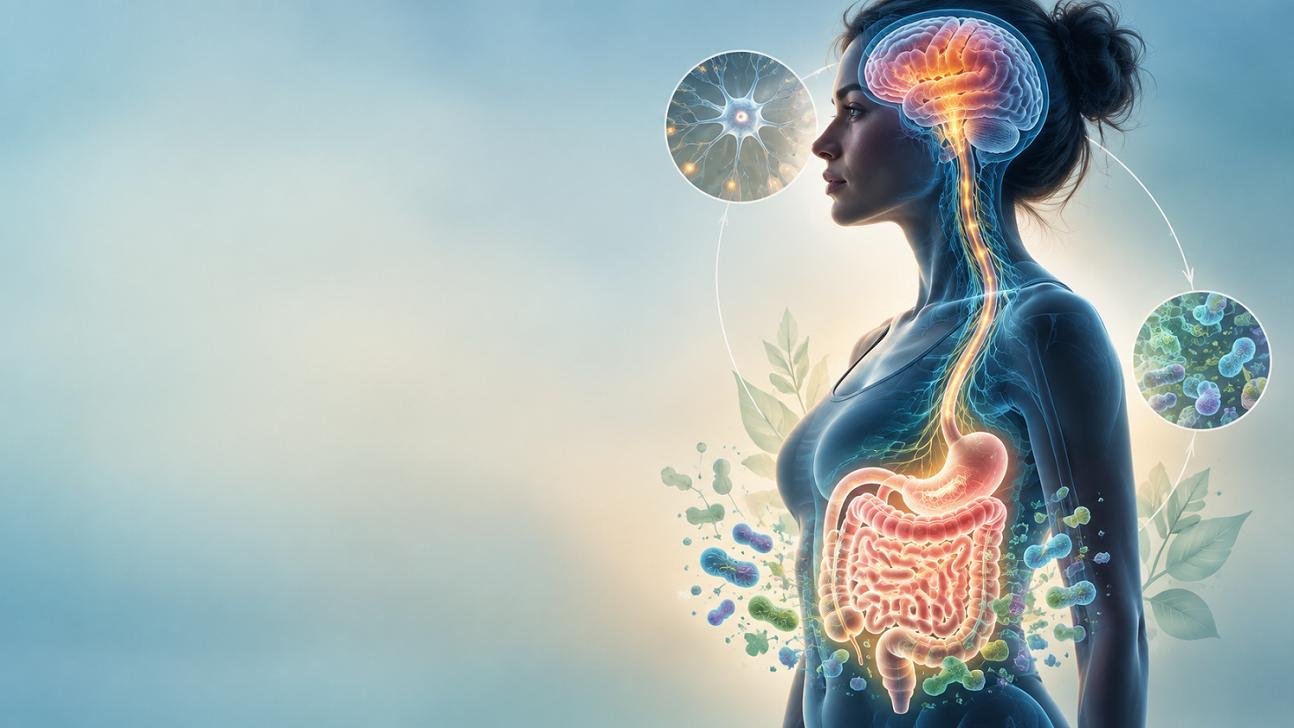
That question sits at the center of the gut-brain axis, a two-way communication system connecting the gastrointestinal tract, immune system, nervous system, and brain. The science is still developing, but the idea is no longer fringe. Researchers are examining whether changes in diet and the microbiome can influence mood, stress responses and cognition.
The important part, though, is separating promising science from TikTok certainty.
Why your stomach is suddenly part of the mental-health conversation
Your gut and brain are in constant communication through the vagus nerve, immune signaling, hormones, and chemicals produced or modified by intestinal microbes. This is the gut-brain axis, and the traffic runs in both directions.
Stress can alter gut function. Changes in the gut can, in turn, send signals back toward the brain.
There is also a common misconception about serotonin. Roughly 90% of the body’s serotonin is located in the gastrointestinal tract, but gut serotonin is not simply traveling into the brain to make you happier. Peripheral serotonin and central serotonin are largely separated by the blood-brain barrier.
That distinction matters. The gut-brain axis works through several overlapping pathways rather than a simplistic “good bacteria make happy chemicals” mechanism.
Where metabolic psychiatry enters the picture
The emerging field of metabolic psychiatry looks at how metabolic health, energy regulation, and nutrition may interact with psychiatric conditions.
This does not mean replacing antidepressants or therapy with a bowl of fermented vegetables. It means researchers are investigating whether improving metabolic health could become one component of psychiatric care.
A 2024 pilot trial involving adults with bipolar disorder or schizophrenia and metabolic abnormalities investigated ketogenic metabolic therapy and found the approach worth further study, while also making clear that larger controlled trials are needed.
That caution is important because metabolic psychiatry is promising, but it is not yet a universal dietary treatment for mental illness.
Are ultra-processed “health foods” really causing emotional burnout?
Here the internet tends to move faster than the evidence.
Protein bars, flavored shakes and low-sugar snacks are not automatically harmful simply because they are processed. Their ingredients, nutritional profile, and place in the overall diet matter.
Still, higher consumption of ultra-processed foods has been associated with poorer mental-health outcomes in observational research. One systematic review and meta-analysis found greater ultra-processed food consumption was associated with higher odds of depressive and anxiety symptoms. Association, however, does not prove that the foods directly caused those conditions.
The more useful question is what these foods may replace. A protein bar replacing breakfast made from oats, fruit, nuts, and yogurt means less dietary variety. That matters because gut microbes depend heavily on the substances reaching the colon, particularly different types of fermentable plant carbohydrates.
The five whole foods worth putting back on the plate
- Lentils
Lentils deliver substantial fiber along with folate, iron, and plant protein. Fiber can be fermented by gut microbes, producing short-chain fatty acids involved in intestinal and immune signaling. DailyHealthPro also covers practical fiber targets and food sources in its guide to How Much Fiber Should You Eat Per Day
- Oats
Oats contain beta-glucan, a soluble fiber that is particularly useful for building a higher-fiber dietary pattern. They are not an anxiety treatment, but they can help shift breakfast away from highly engineered snack foods and toward a more diverse substrate for gut microbes.
- Fermented vegetables
Kimchi and other fermented vegetables are attracting attention because fermented-food interventions have shown measurable effects on the human microbiome and inflammatory markers. In a 17-week randomized study, people assigned to a high-fermented-food diet experienced increased microbiome diversity and reductions in several inflammatory markers.
That study was small, though, and it did not establish that kimchi directly treats depression or anxiety.
- Walnuts
Walnuts provide unsaturated fats, fiber, and polyphenols. They fit naturally into dietary patterns that emphasize plant diversity rather than relying heavily on packaged “performance foods.”
- Berries
Berries provide fiber and polyphenol compounds. Adding them to oats or plain yogurt is a simple way to increase plant variety without turning food into another numbers game.
Fiber, fermented foods and the next phase of gut health
The current shift is not really about abandoning protein. Protein remains essential.
The more interesting change is moving away from the idea that one macronutrient or one packaged product can carry an entire diet.
A higher-fiber pattern, greater plant diversity, and sensible use of fermented foods may support the gut-brain axis, but individual responses differ. DailyHealthPro’s recent coverage of the viral fibermaxxing trend also explores why people are moving toward plant diversity and higher fiber intake.
The same principle applies to gut health and anxiety. Improving diet quality may be useful, but it should be viewed as one part of a broader approach rather than a guaranteed psychiatric treatment.
What doctors actually do when anxiety or brain fog persists
Persistent anxiety, depression, severe fatigue or cognitive problems should not automatically be blamed on poor gut health.
A clinician may review sleep, medications, alcohol or substance use, nutritional deficiencies, thyroid problems, anemia, medical conditions and mental-health symptoms. Treatment can involve psychotherapy, medication, lifestyle changes or combinations of these approaches.
Dietary improvement can be an adjunct. In the SMILES randomized clinical trial, a structured dietary intervention produced greater improvement in depressive symptoms than the control condition, although the trial was relatively small and dietary treatment was not used as a stand-alone substitute for standard psychiatric care.
FAQs
Can gut health cure anxiety?
No. Gut health and anxiety are connected areas of research, but current evidence does not show that improving the microbiome can reliably cure an anxiety disorder.
Does gut bacteria produce serotonin?
Gut cells produce most of the body’s serotonin, but peripheral serotonin does not simply cross into the brain. Gut microbes can influence serotonin-related pathways and tryptophan metabolism, but the mechanism is far more complicated than “more gut serotonin equals better mood.”
Is kefir better than a probiotic supplement?
Not necessarily. Kefir is a fermented food that can fit into a varied diet, while probiotic supplements contain specific strains with different evidence. Benefits depend on the product and the condition being studied.
Are protein bars bad for your gut?
Not automatically. The issue is what they contain, how often they are consumed, and what they replace. Some bars are high in fiber; others contain sweeteners or sugar alcohols that can cause gastrointestinal symptoms in susceptible people.
What does postbiotic mean?
Postbiotics are preparations of inactivated microorganisms and their components that may provide health effects. Research into postbiotics and depression is emerging, but clinical evidence is still developing.
Should someone stop psychiatric medication to focus on gut health?
No. Dietary changes should not be used as a reason to stop prescribed psychiatric medication without medical supervision.
The fascinating part of this trend is not that the internet has discovered a magical food for anxiety. It has stumbled onto a much more interesting scientific question: how metabolism, microbes, immune signaling and the brain interact over time. Metabolic psychiatry, the microbiome, and the gut-brain axis may eventually become important pieces of that puzzle. For now, the strongest position is also the least glamorous one: eat a diverse diet, take the evidence seriously, and resist turning an emerging field into a miracle cure.