




Most people feel some bloating now and then after dinner. Yet if it shows up each time you eat, it might start to itch at your comfort, wear on patience, even spark worry. That swollen sensation – like the gut’s stretched too tight or buzzing with trapped air – is typical. Sometimes there’s gurgling beneath the surface, sudden grumbles, passing wind, mild cramps, maybe a rounder look to the middle.
What exactly is bloating?
Heavy feelings in the belly often come from trapped air, liquid, or slow-moving digested material inside the gut. A tight or puffed-up sensation might show up across the stomach area. Gas pressure can be actual, though at times it’s a heightened nerve response – where regular movement triggers discomfort. Normal processes seem off simply because sensitivity turns small changes into noticeable fullness.
Food gets broken apart inside your gut by strong juices, special proteins made for digesting, along with tiny living helpers that live in your bowel. Gas shows up during this breakup – completely normal. Most of the time, it leaves quietly via belching or drifting out later. When there’s more than usual, when things move too slowly, or irritation sparks in the gut lining, fullness and pressure follow dinner.
Common causes of bloating after every meal
- Eating too quickly
Speedy meals often lead to swallowing extra air. Chewing suffers when the pace is too quick. Sipping drinks through narrow tubes pushes more than flavor down the throat. Talking during bites lets breath slip where it does not belong. All these habits stack up, quiet and unnoticed.
- Overeating
After eating a big portion, the stomach expands further compared to when it gets less food. What feels light on the plate may weigh heavily once inside. Big helpings trick the gut, no matter how clean the ingredients look.
Fullness turns to pressure when volume wins over pace. How much land in the belly matters more than whether it’s labeled healthy.
- Gas-producing foods
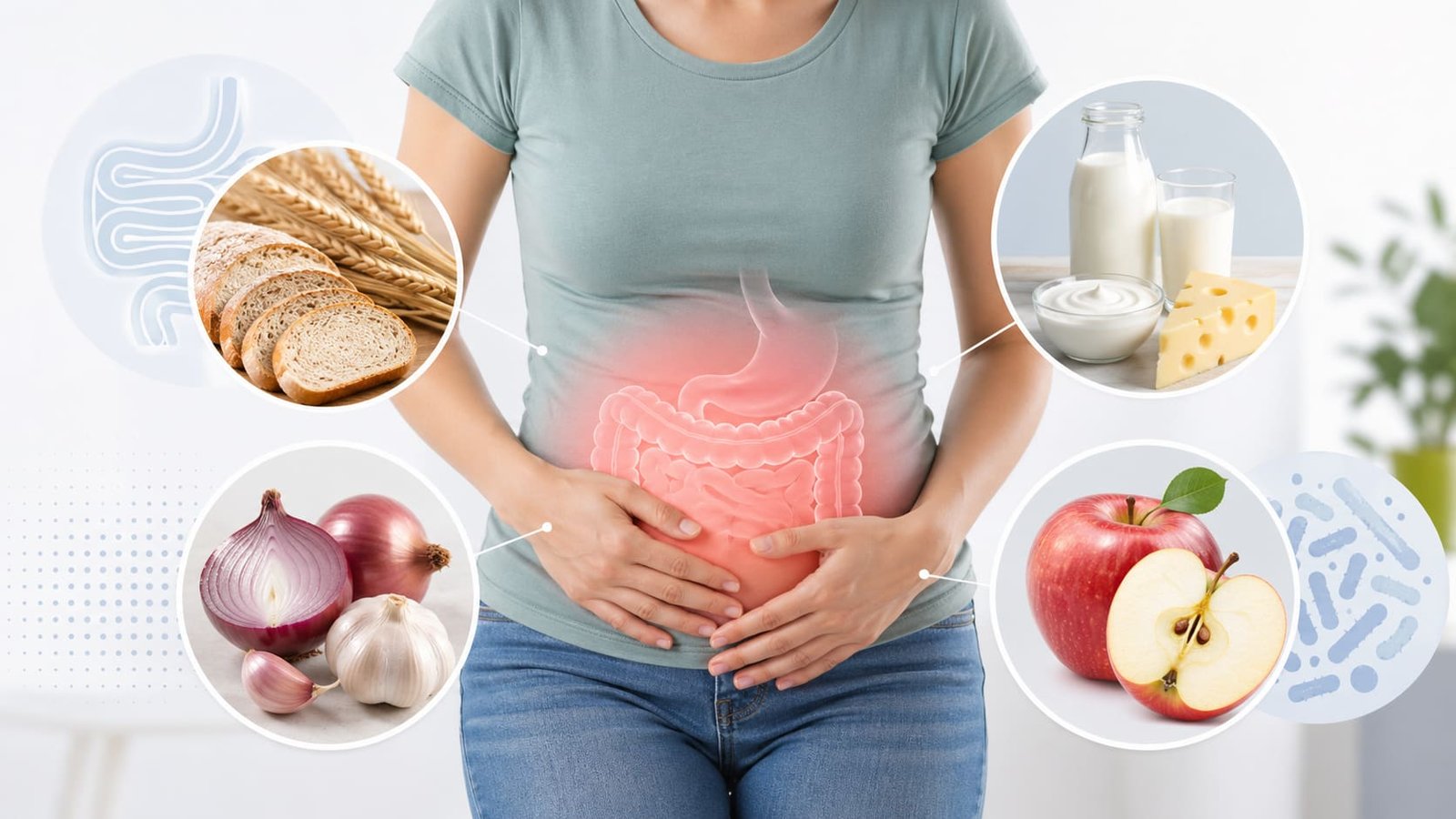
Besides beans, some veggies like broccoli tend to bubble up inside the gut when broken down. Cabbage does something similar once it reaches the lower belly zone. Dairy products often stir things up if digestion lacks a key enzyme. Apples bring on gurgling due to a certain sweet substance that lingers undigested. Onions sneak in with fibers that microbes feast on fiercely
- Broccoli
- Onions
- Chickpeas
- Dairy products in some people
- Whole grains in excess
Some folks handle these foods just fine, yet others feel effects more strongly. A few react even when amounts stay small.
- Constipation
Stuck in the gut for too many hours, waste slows everything down. Gas gets stuck along the way because things aren’t moving fast enough. Fullness shows up right after eating, like pressure building low in the belly. Movement happens less often when things turn stiff and dry. Emptying never feels quite finished, even after trying. Hard lumps pass slowly.
- Irritable bowel syndrome (IBS)
Sometimes, just a little pressure feels intense. Normal digestive activity might seem like too much. The bowel responds sharply, even when things are moving as they should. Sensitivity rises without warning. What others barely notice causes discomfort here.
- Acid reflux and gastritis
One might feel swollen, queasy, hot behind the breastbone, or too full fast – either condition brings these along. Heavy discomfort after meals ties both together.
- Gut bacteria imbalance
If bad types start growing too much – or good ones fade away – things inside might stop working smoothly.
After eating, some people feel bloated because too many microbes live in their small gut. This situation has a name – small intestinal bacterial overgrowth – often shortened to SIBO.
- Hormonal changes
Women commonly notice this just before or during their period. At times, ovulation brings a similar feeling too.
Less common but important medical causes
Bloating that won’t go away might mean something’s off. At times, it ties back to health issues like:
- Gallbladder problems
- Ulcers
- Liver diseases
- Ovarian problems in women
Less frequently, these might still require a doctor’s look.
Warning signs that need medical attention
You should see a doctor if bloating happens with:
- weight loss
- Blood in stool
- Stomach pain
- Persistent vomiting
- Fever
Something stronger could be behind these signs.
How doctors find the cause
Most times, a person will talk with their doctor about what kind of pain they feel. Talking comes before any test or scan ever happens. Food choices often come up during these visits, along with how someone handles pressure in daily life. Stomach troubles might follow certain meals – those details help spot patterns. What moves through the gut each day gives clues, too. Some dishes tend to cause bloating or cramps right after eating. Based on all this, suggestions could include changes to the diet. A few tweaks here and there sometimes make a real difference
- Blood tests
- Stool tests
- Lactose intolerance testing
- Ultrasound
- Endoscopy
- Colonoscopy
- Tests for celiac disease
Some people won’t need every test listed here.
Ways to reduce bloating after meals
- Identify trigger foods
Maybe writing down what you eat can show which things make you feel worse. For some, milk products cause trouble, as well as greasy meals, raw onions, and even legumes. A pattern might appear after a few days of noting it all.
- Increase physical activity
A few steps slow but steady ease pressure that might otherwise settle in. Movement like this shifts things gently, whereas sitting lets discomfort grow. Each gentle pace nudges the system forward without force or strain. Even short distances work when timed just after plates are cleared.
- Manage constipation
Fiber fills your gut, yet water keeps things moving smoothly through your system. Movement each day helps the process along – though a quick jump in fiber might bring on extra gas for a short time.
- Avoid lying down immediately after eating
Lying down too soon might let acid move up. A pause of around two or more hours often makes a difference.
Foods that could be useful
- Ginger
- Peppermint
- Fennel
- Yogurt
- Bananas
- Rice
- Papaya
- Cucumber
Not everyone feels better using these, yet plenty walk away calmer. Stillness creeps in differently depending on the person.
Is it possible to stop bloating altogether?
Most times it’s fine. Changing how you eat helps plenty of folks, along with spotting which foods set it off.
When swelling doesn’t go away even after adjusting daily habits, seeing a doctor helps uncover possible gut issues hiding beneath.
Conclusion
Some bodies react badly to certain foods, while others struggle when things slow down in the bowels – hello, constipation – or face ongoing patterns like IBS. Tension in life? Bloating that sticks around. Pay attention when it brings pain, sheds pounds without trying, triggers throwing up, or shifts bathroom patterns. Seeing someone trained in health could uncover what’s really going on – then guide next moves. Figuring out food responses, daily routines, and their effect on digestion.
FAQs
1. Why do you feel bloated after every meal?
A: Most times, a swollen belly shows up once you eat – could be from trapped air inside. Eating large amounts fills the stomach past its limit. Gulping food without enough chewing adds extra pressure down below. Some bodies react badly when they eat certain foods.
2. Which foods commonly cause bloating?
A: Fried picks aren’t gentle either. Bubbles in drinks stir discomfort for some. Dairy shows up with similar results. Spicy extremes? They also play a role.
3. Can stress cause bloating?
A: Funny how tension tugs at your gut. When worry shows up, your belly often slows down its usual rhythm. Instead of moving food along smoothly, it might stall. Gas builds where it shouldn’t. That full, tight feeling after a meal? Could be nerves talking. Discomfort creeps in, not just hunger.