





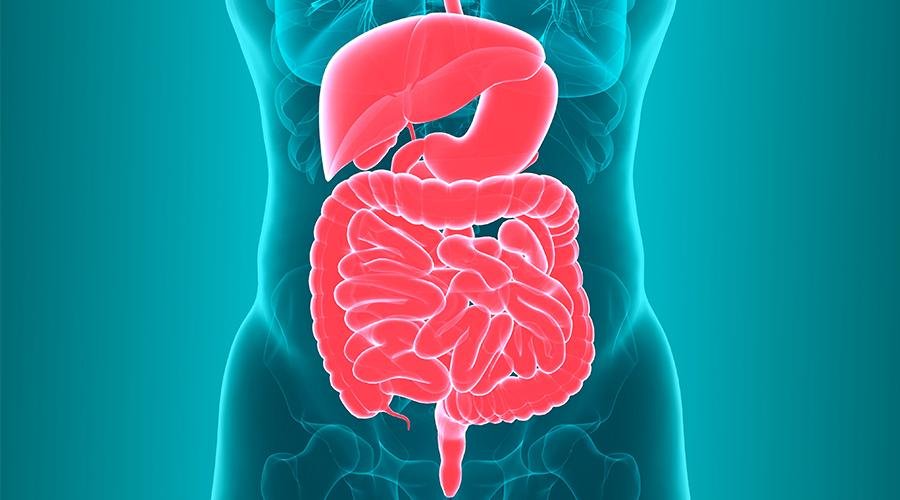
Every so often, a gurgle or shift in appetite hints at something deeper unfolding inside. Far from being haphazard, doctors who study digestion say these cues carry weight – they reflect how smoothly things run beneath the surface. Instead of brushing off bloating or sudden urges for certain foods, pay attention; they might point toward an imbalance. When you tune in closely, choices around meals begin to adjust on their own.
1. Bloating Beyond the Bloat
Now and then, your belly might feel puffy – totally usual if you’ve just eaten too much or had beans. But when it keeps happening, pay attention. Doctors who study digestion tend to link ongoing puffiness to trouble handling certain foods, such as dairy or wheat. Sometimes it ties back to how the tiny organisms in your gut are lining up – or misbehaving.
Notice what comes before the puffiness – like cheese, greasy plates, or oversized portions. That timing gives clues about what’s really going on. Moments after eating could reveal more than expected.
2. Irregular Bowel Movements May Signal Health Changes
Changes like these signal that something may be off.
- Besides hard stools, not drinking enough water might be part of the problem. Fiber levels could also play a role when things slow down inside. A body moving too slowly through digestion often shows here first.
- Sometimes it’s not one thing – it’s layers piling up behind loose stools.
- Now here’s a different rhythm – repeating cycles in digestion usually point toward IBS or gut issues tied to tension.
Bowel movements that are consistent and shaped usually mean digestion is running smoothly. When things shift out of nowhere – or stay off track – it could be your gut hinting something is out of sync. Sometimes discomfort follows when the rhythm breaks without warning.
3. Persistent Heartburn Could Mean Something Serious
Liquid fire from the belly climbs up the food tube, burning as it goes. Though brief flare-ups strike most people now and then, repeat visits could mean a deeper unrest settled in – doctors call it GERD.
Your gut could be telling you that:
- You’re eating too quickly or too much
- A heavy load can push down on your belly. Sitting slouched adds a similar squeeze. Weight pressing changes how things feel inside. Poor stance shifts pressure where it should not be. Your gut reacts when forces build up. How you carry yourself matters more than you might think
Few people notice how quietly trouble starts – until the body sends warnings like persistent heartburn. Catching it soon changes what comes next.
4. Abdominal Pain Where It Hurts Can Be Important
Pain deep inside your belly demands attention. Where it hurts, how bad it feels, when it shows up – these details matter more than you might think
- Pain above the belly could come from too much stomach acid or sores in the gut lining
- Lower abdominal pain could indicate bowel-related concerns
- A sudden stabbing sensation might mean it is time to see a doctor right away
Pain that keeps coming back might mean your stomach wants attention – it could be food, tension, or maybe worse. What you eat, how you feel day to day, even hidden issues – each plays a part without warning. Notice when it strikes, what happened before, who else in the family had similar signs. Silence won’t help. Patterns emerge only if you track them quietly. Hidden signals often show up where routine feels normal.
5. Too Much Gas Means Gut Bugs Are Active
Belly bloat often comes from normal digestion, particularly as tiny bugs inside your gut chew up specific meals. Yet too much wind might mean something else is going on behind the scenes.
If their usual mix gets thrown off, you might notice extra gas showing up alongside bloating or an odd ache deep in the belly.
6. Food Cravings May Come From Gut Bacteria
Funny thing – some tiny bugs inside your belly might be pulling the strings on your hunger. When sweets or packaged snacks call your name, it could be hungry little creatures feeding off those very things.
Gastroenterologists suggest that:
- Cravings aren’t always about hunger – they can be microbial demands
Fueled by quiet signals, your stomach might steer choices shaping the world within – sometimes helpful, sometimes not.
7. Skin Problems Show Body’s Hidden Imbalances
Outside signs – pimples, itchiness, strange red patches – might trace back to what’s happening inside your digestive tract. Doctors who study the stomach often see flare-ups below that lead to reactions above.
A weak gut lining might let harmful substances slip into your blood, which could show up as skin trouble later. Sometimes that inner wall does not hold things back like it should, letting irritants through. Your body reacts – maybe right where you see it most: on your face or arms. What leaks out internally can surface in ways you notice daily.
8. Sudden Weight Changes Hint at Metabolic Shifts
Fat shifts now might link back to what lives inside the gut. How food gets broken down often depends on tiny organisms working unseen.
- Weight gain may be linked to certain bacterial profiles that extract more energy from food
- Fewer pounds on the scale might point to poor nutrient uptake or hidden gut problems
A weight shift, unexplained by habit or choice, could point to gut activity. Sometimes unseen shifts inside the belly lead to numbers on the scale that surprise you. What happens below can show up above, even when nothing feels different. Unplanned changes often trace back to digestive patterns others overlook. Hidden rhythm in the stomach may quietly shape body results.
10. Frequent Infections Signal Immune Response
Most of your body’s defense lives deep inside your digestive tract. Getting ill often might mean something is off down there.
Fight-ready health often begins where digestion does – inside the belly’s quiet world. When tiny life there slips out of rhythm, shields around the body start to thin.
11. Nausea and Loss of Appetite Quiet Signs
Sudden queasiness now and then? Totally common. Yet when it sticks around, pay attention. That kind of signal might point to an infection brewing inside. Inflammation could also be at play.
A shift inside may hint at stepping back before things pile up. Heavy moments often follow ignored whispers beneath the surface.
When to See a Doctor
checked when noticing:
- Persistent abdominal pain
- Often, loose stools stick around too long. Sometimes, going becomes a rare event
Signs like these could point to deeper issues requiring accurate assessment plus care.
Conclusion
Each sign it gives, whether puffiness or stronger pain, means something real. Rather than tuning out those cues, tuning into them helps guide smarter daily decisions and may stop issues before they grow.
Your whole body benefits when you listen closely to your stomach and reply with care – not only does digestion get better, but immunity grows stronger along with mood. Digestive signals shape more than just comfort; they quietly guide how energy flows through the mind and cells alike.
Faqs
1. What causes constant gas?
A: Belly sounds? That’s normal – gas shows up when your body breaks down food. Too much of it might mean things are moving slowly in there, or the tiny bugs inside you aren’t balanced right. Chewing fast, fizzy sodas, or loading up on roughage can stir extra bubbles. Now and then, it ties back to a hiccup like SIBO – bacteria partying where they shouldn’t, munching on meals before they’re ready.
2. Can gut health affect my mood?
A: Inside your belly, messages shape how you feel each day. Serotonin, made there, plays a part in emotional shifts. When digestion struggles, nerves often follow along. Signals travel both ways between gut and mind, linking physical discomfort to moments of tension or sadness.
3. Can my gut affect my skin?
A: Out of balance? That gut might show up on your face. Trouble digesting food often pairs with red, bumpy skin. Think bloating links to breakouts. Inflamed intestines, cloudy complexion – no surprise there. Acne pops up when the belly’s in chaos. Digestive messes rarely stay hidden inside.
4. What makes you want junk food?
A: Your gut bugs might be pulling the strings. These tiny creatures love sweets and fake ingredients, pushing you to eat their favorite snacks. When you start eating better stuff, those urges tend to fade over time. Good meals slowly teach your body new habits
5. When should I see a doctor for gut issues?
A: Weight dropping without a reason might not be normal either. Medical checkups help catch hidden problems early. Severe discomfort lasting days deserves professional eyes. Conditions like IBD aren’t always obvious at first glance.