





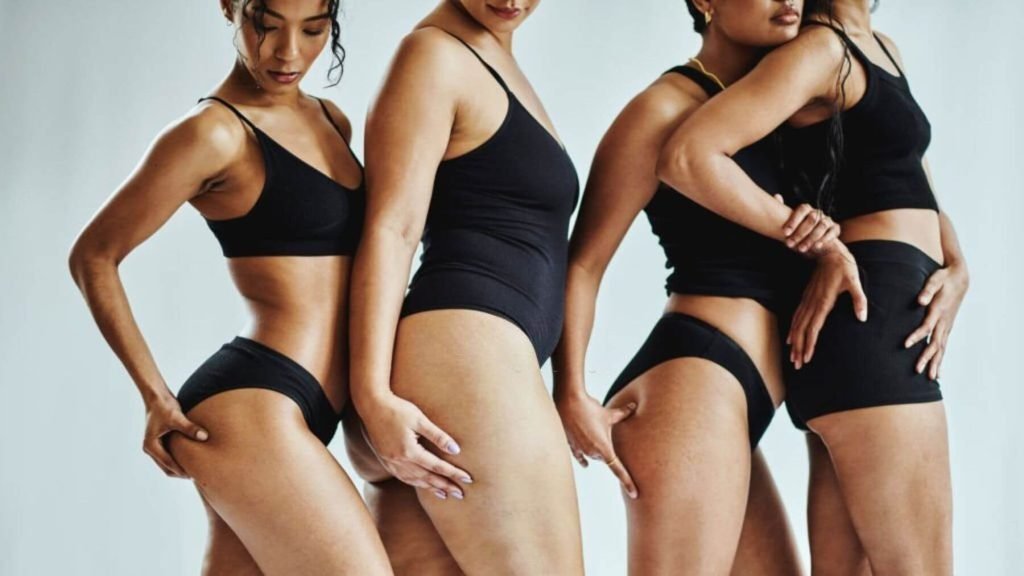
A different kind of quiet change has started showing up in how folks see themselves. Old rules about who counts as beautiful never made room for most people. Now, slowly, that tight mold cracks open. Love does not need fixing just because legs are thicker, arms shorter, vision blurred. Dignity arrives without permission slips. What once felt invisible now stands in light.
Origins and Evolution
Back in the 1960s, a push for fairness started among those tired of bias toward heavier folks – mostly in the U.S. Because of that shift, voices rose challenging how culture treated bigger bodies. Still, it wasn’t just about weight; slowly, differences like skin texture, limb variations, or heritage became part of the talk. Even so, what began focused on one kind of judgment grew into broader resistance against many forms of shame. Though rooted in size, the idea stretched further once more people shared their truths.
The online spread, teens and young adults got involved, while cultures mixed ideas through shared posts. As time passed, what once felt local turned into something much wider, connecting voices across continents.
Core Principles
Built into the core of body positivity are a few main thoughts
- Start here – seeing yourself clearly, without chasing flawless ideals. A different way forward begins by dropping comparisons. Here is the truth: worth isn’t earned through shape or size. Notice how peace grows when judgment fades. This path runs quietly, away from the noise of shoulds and musts. Belonging starts within, not beyond.
- Bodies come in shapes that stories rarely tell. Some frames stay hidden on screens, yet they matter just the same. Seeing them honored shifts what feels normal. Different sizes take up space without asking permission. Visibility isn’t about trends – it sticks around. People who’ve been overlooked start filling the frame. Noticing them changes the air somehow.
- Beauty rules get tested when people wonder why things must look a certain way. Norms shift slowly as others dare to ask who decided what counts. Ideas change not by force, but through quiet curiosity about old beliefs. What once seemed fixed now feels open to doubt. Seeing differently becomes an act of resistance without words
- A person feels clearer inside when they stop judging their body so harshly. Shifting away from constant comparisons opens space for calm. Shame fades when attention moves toward gentle acceptance instead of criticism. Guilt around eating or appearance lessens once self-kindness grows stronger. Seeing oneself more honestly helps break old cycles. Quiet moments of peace replace noisy self-doubt.
Bold in its approach, beauty refuses to fit one mold. Shifting constantly, it flows through different forms – intimate, unique, shaped by who holds it.
Impact on Society
Surprisingly, how we talk about bodies in ads started shifting not too long ago. Some companies slowly swapped airbrushed images for faces and forms they once ignored. A quiet change crept into magazines, then billboards, showing people who actually exist. Instead of chasing one narrow look, spaces opened up – awkward elbows, stretch marks, wheelchairs included.
Staring at perfect-looking pictures nonstop might spark struggles like poor confidence, stress, or disordered eating. With a push for realness and embracing differences, the movement tries to soften those impacts while helping people see themselves with kinder eyes.
Bold honesty grows when people talk freely about things like stretch marks or breakouts. Because real talks happen, odd skin and changing bodies feel less lonely now.
Criticism and Challenges
Some folks wonder if body positivity might turn toward body neutrality – moving attention off looks completely while highlighting ability instead. What matters here isn’t how a body appears but what it handles each day. Seeing your form as useful, not necessarily beautiful, becomes the anchor point. Appreciation grows from movement, breath, rest, even silence – not just reflection in glass.
Cultural Relevance
Where looks get judged by skin tone, weight, or old norms – places such as India see real shifts when self-acceptance enters the picture. Pressure fades a little once pale isn’t prized above all else. Curves stop being seen as flaws when different bodies appear in everyday sightlines. Seeing varied faces and shapes normalizes what used to be called “not enough.” Worth stops tying itself so tightly to narrow molds. A wider view of beauty quietly takes root through small acts of visibility. Personal comfort grows stronger when comparison loses its grip. What you look like matters less when belonging doesn’t depend on changing yourself.
Conclusion
What if seeing bodies differently was normal? That idea fuels a wave that refuses old rules about looks. Instead of chasing one rigid standard, folks begin valuing presence over appearance. Because space is made for every shape, shame shrinks without warning. Worth isn’t earned through size anymore. A quiet strength grows when mirrors reflect kindness. Difference stops being measured like debt. Still changing, still questioned, yet its heart holds steady: respect belongs to every form. Not always about loving everything – sometimes just acknowledging what is. Each path to seeing oneself more clearly moves at its own pace, shifts something real inside.
Faqs
1. How did the body positivity movement start?
A: Born during the 1960s, this push started alongside efforts to stop bias tied to weight. Since then, its reach has grown – embracing differences in shape, form, and appearance – fueled by conversations spreading online.
2. Does feeling good about your body boost emotional well-being?
A: Few notice how quietly it shifts the inner voice, replacing harsh judgments with something gentler. Pressure melts when reflection becomes less about flaws, more about acceptance. Unseen at first, changes grow – not through force, but softer mornings, fewer battles fought in mirrors.
3. Is the body positivity movement only for certain people?
A: Folks of every build, hue, and background belong here. Whether tall or short, young or old, moving freely or using aids, each person fits. Respect forms the core, making space where dignity isn’t earned, it’s given.
4. How has social media influenced body positivity?
A: Folks now see more of life as it is – snapshots without polish find their way across screens. Because platforms let voices rise, raw moments circulate fast. One post at a time, narrow views on looks begin to shift. Truth spreads when someone hits share. Bodies once hidden show up everywhere. What counts as beautiful gets rewritten quietly. Behind every scroll, assumptions wear thinner.
5. How can someone practice body positivity in daily life?
A: A fresh mindset begins when someone skips harsh inner comments. Viewing a mix of real-life images online helps too. Outfits chosen for ease, not trends, support the shift. Care rooted in wellness replaces fixating on looks. Treating people gently matters just as much. Seeing bodies without labels keeps things fair.