





The phrase gelatin benefits for men sounds simple, but the reason people search for it is usually very practical. A man is often not chasing a trend. He is chasing relief. Maybe his knees feel older than he is. Maybe sleep is getting lighter. Maybe training leaves him stiff in a way that used to disappear overnight. That is the real doorway into this topic. Gelatin is a form of collagen made by boiling animal bones, cartilage, and skin, then cooling the liquid so it sets. In the body, collagen is a major structural protein in skin, muscles, tendons, cartilage, and bone. When digested, it is broken down into amino acids, not delivered to the body as a neat little repair kit. That matters. It keeps the discussion honest.
So when people ask if gelatin is good for men, the answer should not sound like a sales pitch. It is more like this. Gelatin is a useful food-derived ingredient with a plausible place in a broader health routine, but it is not a miracle supplement, and it is not a substitute for good protein intake, sleep, or training. That is the frame worth keeping from the start.
What Gelatin Actually Is
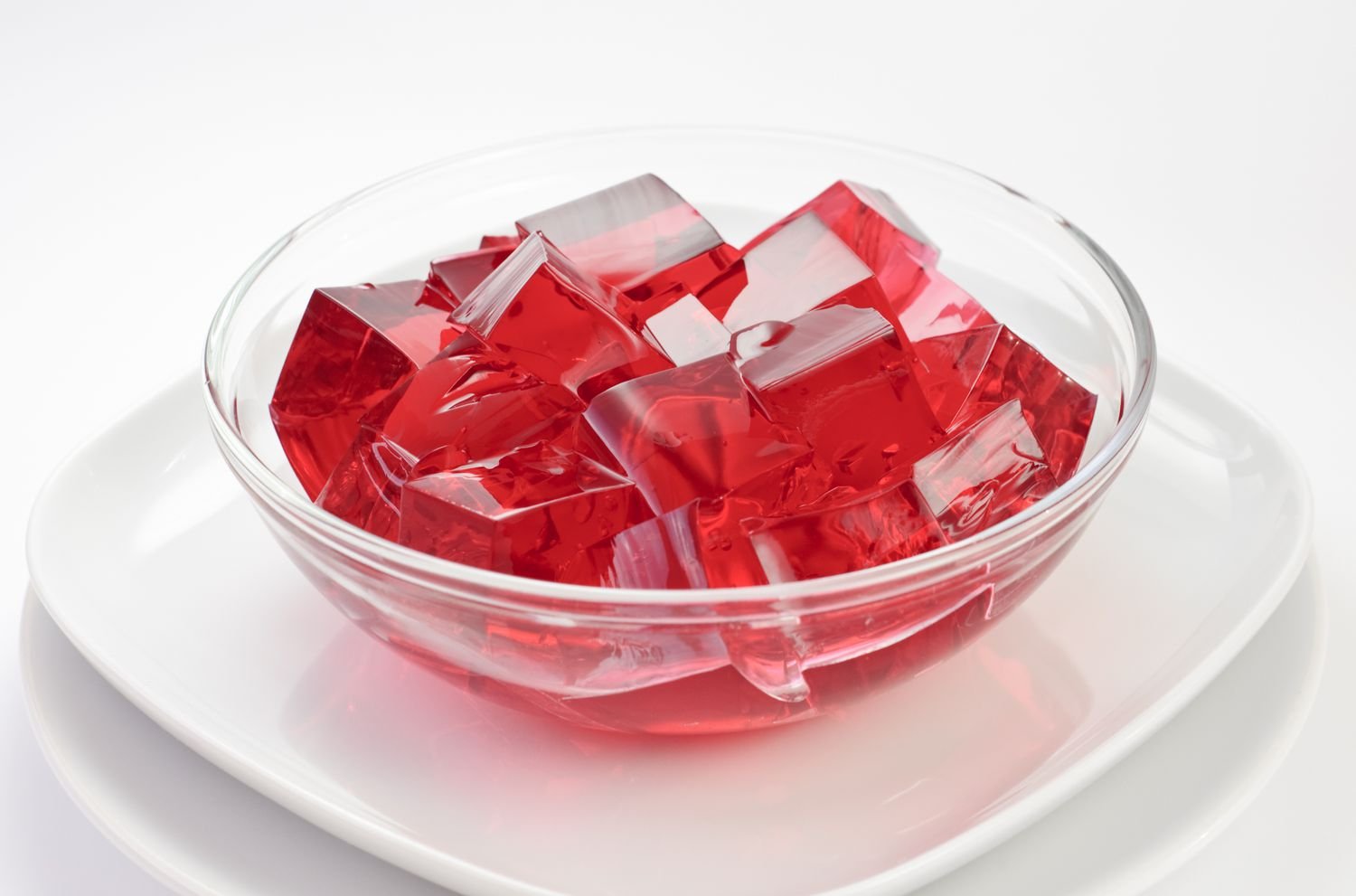
On paper, the chemistry is not complicated. Gelatin comes from collagen, and collagen itself is the most abundant protein in the human body. It gives connective tissue strength and resilience. Harvard’s Nutrition Source notes that gelatin is simply the cooked, cooled breakdown of connective tissue, which is why it behaves so differently from a standard protein powder. It gels. It thickens. It changes the texture of food. It is useful in the kitchen first, and interesting in health discussions second.
That is one reason gelatin benefits for men should be discussed with a little restraint. People sometimes imagine that because it comes from connective tissue, it somehow targets connective tissue in a direct, almost mechanical way. The human body is less tidy than that. It digests protein, then allocates amino acids where they are needed. Still, the amino acid mix, especially glycine, proline, and hydroxyproline, is the reason gelatin and collagen keep showing up in conversations about joints, skin, and sleep.
Where The Real Benefits Show Up
Joints Under Quiet Pressure
This is where the evidence is most interesting. Harvard notes that most collagen supplement research is about joint and skin health, and some randomized trials found improvements in joint mobility and reductions in joint pain, including in osteoarthritis and athletes. That does not mean gelatin is a cure. It means the joint angle has real enough support to deserve attention.
So if someone asks if gelatin is good for men, the most grounded answer is often about joints first. Men who lift, run, sit too long, or simply get older tend to notice joints before they notice anything else. That stiffness, that small resistance in the knees or shoulders, can make a routine feel heavier than it should. Gelatin is not a fix for damage, but it may fit into a diet that supports connective tissue over time. That is a fair claim. Nothing more dramatic is needed.
Skin That Wants Support
The skin story is quieter, but not trivial. Harvard’s review says human studies have found collagen supplements can improve skin elasticity, while other reviews have also reported promising effects for skin aging. Again, that does not mean a jar of gelatin erases wrinkles. It means the skin angle is not a fantasy. It is modest, and that is exactly how it should be described.
This is one reason gelatin benefits for men feel broader than just a gym topic. Men often ignore skin care until dryness, dullness, or age starts showing in the mirror. Gelatin is not a cosmetic treatment, but it belongs in the same general family of collagen-support conversations. The effect, if it appears, is usually gradual and subtle. More like a small refinement than a transformation.
Sleep That Can Feel Better
This part surprises people. Gelatin is rich in glycine, and glycine has been studied for sleep quality. A PubMed abstract reports that glycine taken before bedtime significantly improved subjective sleep quality in people with insomniac tendencies. That does not turn gelatin into a sleeping pill. It does, however, make the sleep connection feel plausible enough to mention seriously.
That is why gelatin is good for men is not only a digestion question or a protein question. For some men, the more practical test is what happens at night. Do they settle more easily? Do they wake up feeling a little less frayed? Do they notice a quieter evening routine? Those are not dramatic outcomes, but they are real-life ones, and that is often where nutrition quietly matters.
The Testosterone Question
Now for the loud claim that gets repeated far too often. Does gelatin increase testosterone? The careful answer is that no strong evidence supports that idea. The reliable sources here point to connective tissue, skin, joints, and perhaps sleep. They do not show gelatin as a testosterone booster. So that claim should stay in the category of marketing noise, not a nutrition fact.
That said, people sometimes confuse direct hormone effects with indirect health effects. Better sleep, better recovery, and less joint irritation can make a man feel more capable, more stable, and more energized. But that is not the same as raising testosterone. It is a much softer, more realistic chain of benefit. Honestly, that is the kind of claim that survives contact with actual evidence.
How To Use It Without Fuss
The simplest use case is also the most believable. Add gelatin to broth, soups, or recipes that make sense in normal life. Harvard notes that bone broth can contain gelatin, but the amino acid content varies a lot by preparation, so it should not be treated as a precise supplement dose. In other words, it is food, not a controlled experiment.
If someone is exploring gelatin benefits for men, the best approach is boring in the best possible way. Use it consistently, keep the dose modest, and see whether it fits your digestion and routine. Gelatin is generally recognized as safe by the FDA, according to PubChem, and Harvard also notes that available research has not shown negative side effects in people given collagen supplements. That does not mean there are no risks. It means the basic safety profile looks fairly calm in the research that exists.
Gelatin Or Collagen?
This is where gelatin vs collagen for men matters most. They are related, but not identical. Gelatin is the cooked, gelling form. Collagen supplements are often hydrolyzed, which means they are broken into smaller peptides and are usually easier to dissolve in drinks. Harvard notes that oral collagen supplements are commonly sold as collagen peptides or hydrolyzed collagen, and that these are broken-down forms that are more easily absorbed.
So the real choice is not better versus worse. It is use case versus use case. If you want something for cooking, gelatin makes sense. If you want something that disappears into coffee or water, collagen peptides are often more convenient. That is why gelatin vs collagen for men is a practical question, not a philosophical one. The research base is also a little broader for collagen supplements than for plain gelatin itself, especially in joint and skin discussions.
Side Effects Worth Noticing
People often assume a collagen-like supplement must be harmless because it sounds natural. That is too easy. Harvard points out that supplement labels can be uncertain, some products may contain heavy metals, and the FDA does not review supplements for safety or effectiveness before they are sold. At the same time, available research has not shown negative side effects in people given collagen supplements. So the picture is fairly reassuring, but not blind.
There is also a basic ingredient issue. Because gelatin is made from animal tissue, vegetarians do not eat products containing gelatin. That is not an opinion. It is simply part of how the diet works. So when someone asks if gelatin is good for men, the answer also depends on values, diet pattern, and tolerance, not just the supplement label.
Questions People Ask Most
Is Gelatin Good For Men?
Yes, is gelatin good for men? is a fair question, and the best answer is that it may be useful in a modest, food-based way. The strongest possibilities are joint support, skin support, and maybe sleep through glycine. But it is not a magic fix, and it is not essential for health.
Can It Ease Joint Pain?
Possibly, yes. Joint mobility and pain have shown improvement in some collagen studies, and Harvard summarizes that research as promising in some trials. The effect is not guaranteed, but the joint angle is one of the most credible reasons people keep using it.
Does It Help Sleep?
It may help a little. Glycine research suggests bedtime ingestion can improve sleep quality in some people with sleep trouble. That makes the sleep angle plausible, though not dramatic.
Does It Raise Testosterone?
No good evidence shows that it does. So, whether gelatin increases testosterone should stay as a question, not a claim. At most, better recovery and sleep might support general health indirectly.
Gelatin Or Collagen For Men?
Gelatin vs. collagen for men comes down to form and convenience. Gelatin suits cooking. Collagen peptides suit easy mixing. The research discussion is broader for collagen peptides, but gelatin remains the simpler food-based option.
Is It Safe Every Day?
For most people, a reasonable daily use pattern looks acceptable, especially when it is part of normal food rather than a stacked supplement routine. That said, product quality still matters, and people who avoid animal products should skip it altogether.
Final Thought
The best way to think about gelatin benefits for men is this. It is not hype, but it is not a hero either. It may help around the edges, especially for joints, sleep, and maybe skin. Whether gelatin is good for men depends on what you expect it to do. Gelatin vs. collagen for men is mostly a question of convenience. Whether gelatin increases testosterone remains a claim that the evidence does not really support. That leaves you with a smaller, more honest answer. Sometimes useful things are quiet. Sometimes the value is in what they do not promise. And that, oddly enough, is what makes this topic worth writing about.